

Once Upon a Time in (White) Hollywood
Tarantino's alternative history of the 1960's uncritically repeats the era's sexist and racist stereotypes.
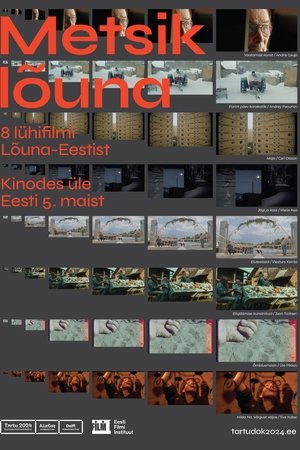


Stories about Tartu and Southern Estonia, capturing the tricks and mysteries about the arts of survival. Renowned filmmakers from Estonia and abroad bring us uniquely wild tales of people, communities, and the culture they live in. In these stories, we meet peculiar vehicles known as “karakat” from Peipsi, charming non-places of Tartu, the wild German woman living an off-grid life without water and electricity, mischievous goats and crazy village parties, the diverse Annelinn residents and nostalgic Petseri, slime mould and space exploration, and of course, the artists of survival from today and past.
Tarantino's alternative history of the 1960's uncritically repeats the era's sexist and racist stereotypes.
An artistic approach to the impact of Billie Holiday’s “Strange Fruit”.
One of the reasons I love watching movies is that, much like books, they serve as windows into other times and different places. Productions from around the world offer valuable insights into the history and culture of their respective countries. And just like literature, cinema can help us understand the present by showing us the past.
If you mix religious rituals with dark mythology, the result will be effective, and the story powerful in 90% of the cases. That is exactly what happens at the beginning of The Vigil.
I believe in homages, but there's a proper way to borrow a creative idea instead of making it appear as if you hit the copy and paste button. Most likely, anyone is better off simply reading the books. Or just put on Scream.
A trouble-making teenager spends the summer working at a Southern California beach learning about responsibility.