


Queer Friendship is Complicated in "Lakeview" (2024)
Tara Thorne’s film is equal parts emotional and comedic, illustrating the beauty and the pain of long term relationships.

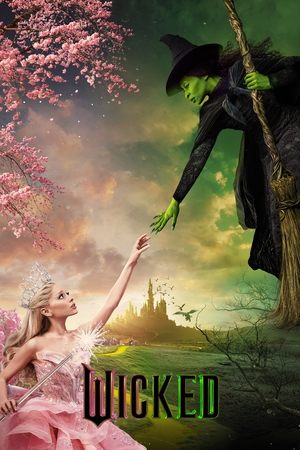


Jon M. Chu’s cinematic reimagining of Wicked is more than just a visual spectacle or a beloved Broadway adaptation—it’s a carefully tuned fable about perception, power, and the quiet defiance of being misunderstood.
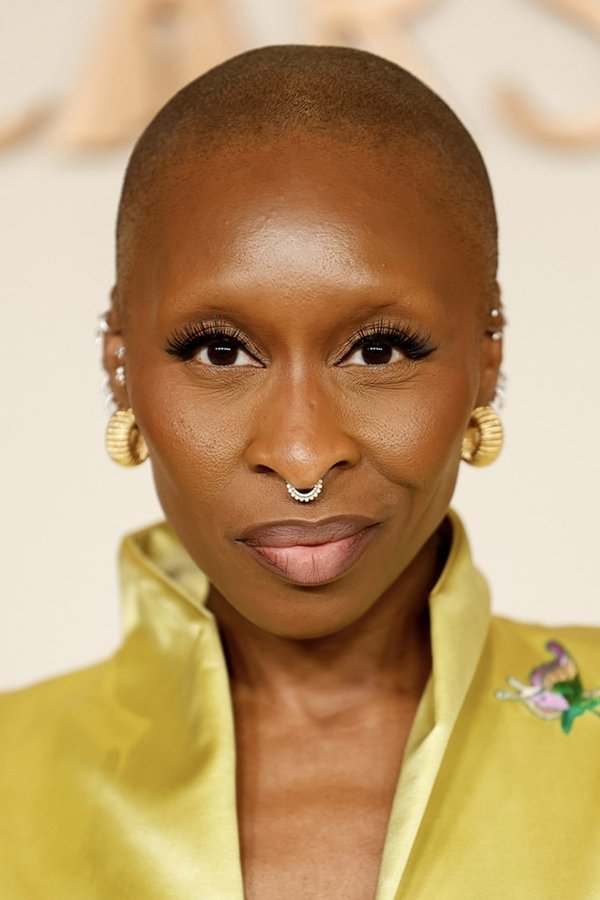
From the outset, the story of Elphaba, played with both steel and vulnerability by Cynthia Erivo, is less about sorcery and more about the cost of otherness. Her green skin, at first a fantastical detail, gradually becomes an unspoken metaphor—something she carries in every interaction, every glare turned toward her. Erivo brings a deep emotional intelligence to the role, showing us not only Elphaba’s isolation but her refusal to let the world crush her. The casting here isn't just smart—it resonates. Erivo’s very presence shifts the narrative in meaningful ways, without ever needing to say so aloud.
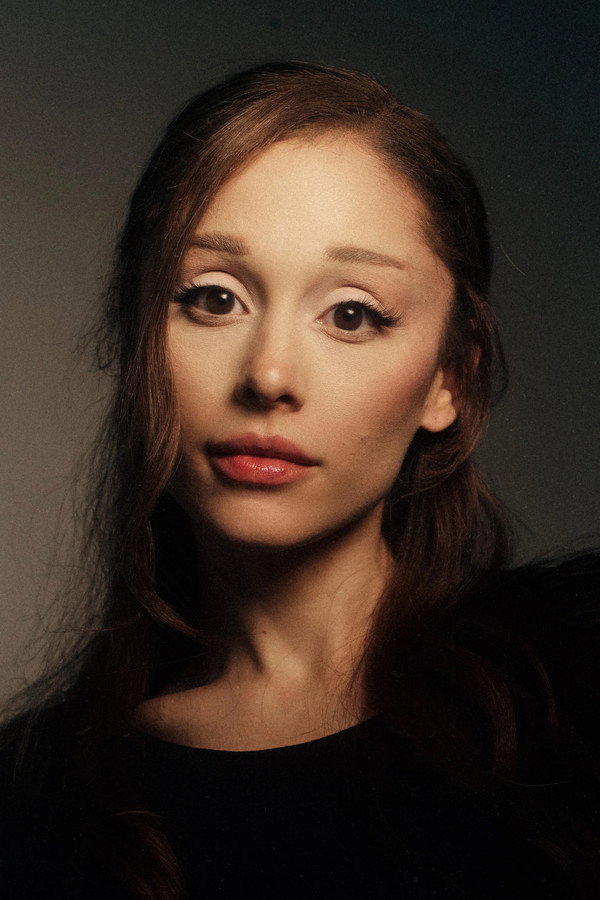
Ariana Grande’s Glinda, seemingly Elphaba’s foil, is also treated with care and complexity. Their evolving relationship—initially brittle, then forged through shared displacement—underscores the way connection often blooms not from similarity, but from a mutual sense of being outside the center. Their dynamic, tender and real, becomes the heart of the story.
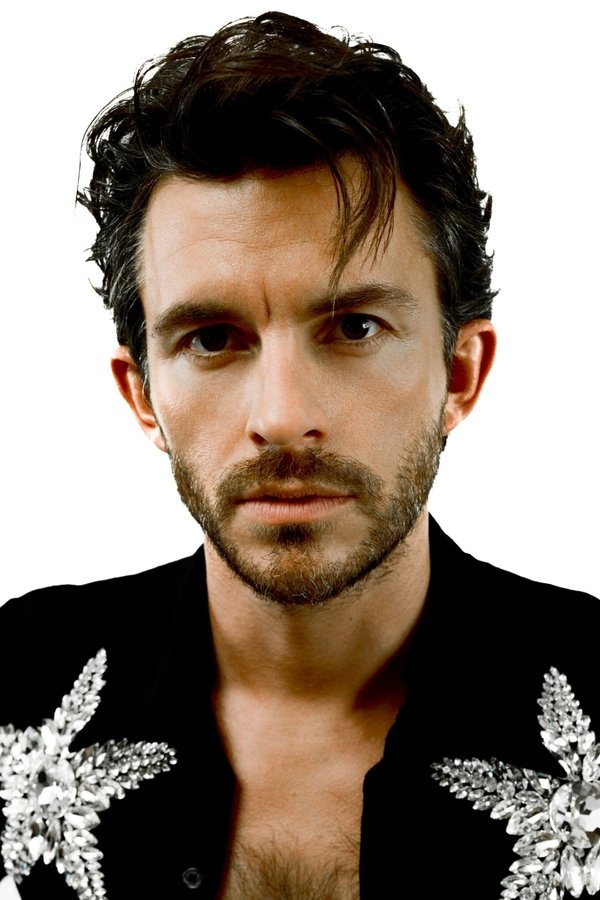
Perhaps the most quietly revolutionary element of the film is the way it treats characters traditionally pushed to the margins. Nessarose, portrayed by Marissa Bode, is not a token of sympathy, but a figure with agency and a voice of her own. The fact that she uses a wheelchair is neither highlighted nor ignored—it simply is, part of the world, as it should be. Fiyero (Jonathan Bailey) and even Pfannee (Bowen Yang) inhabit Oz with a natural ease that suggests a world where identity is lived, not explained.
What Wicked does especially well is allow its allegories to breathe. The treatment of the talking Animals, the state-sanctioned rewriting of history, the suppression of voices deemed inconvenient—all of it feels uncomfortably familiar, but never on-the-nose. Chu trusts his audience to make the connections. The film doesn’t preach; it presents. And in doing so, it invites reflection rather than reaction.
Of course, its boldness has not gone unnoticed. Some corners of the cultural conversation have taken issue with what they perceive as a subtext too close to the surface. The decision to cast openly queer actors, or to allow a beloved tale to reflect a broader, more layered version of society, has drawn its share of criticism. But art that matters rarely sails smoothly.
Symbolism abounds: the broom Elphaba rides is not just a tool of flight, but a reclamation of the story others have told about her. Her ascent—literal and metaphorical—is one of the most powerful moments in the film, not because it dazzles, but because it reclaims space.
Ultimately, Wicked is a story about the cost of being othered, the pain of being misnamed, and the quiet revolution of standing in your truth. It doesn’t shout these messages. It sings them—sometimes gently, sometimes with fury, but always with purpose.

In the land of Oz, ostracized and misunderstood green-skinned Elphaba is forced to share a room with the popular aristocrat Glinda at Shiz University, and the two's unlikely friendship is tested as they begin to fulfill their respective destinies as Glinda the Good and the Wicked Witch of the West.
Tara Thorne’s film is equal parts emotional and comedic, illustrating the beauty and the pain of long term relationships.
In honor of AANHPI Month, let's celebrate Filipina-American pop star Olivia Rodrigo and her love of horror movies.
Two movies that do a fantastic job in conveying the ongoing struggle for racial justice are Selma (2014) and Just Mercy (2019).
Initially feeling like a passionate group having a bit of harmless fun with filmmaking, it leads to something sinister enough to leave a mark.