“Fjord” is Beautifully Indecipherable
Fjord, like its story, is not a conclusion, but a beginning.



The story of Jewish financier Stephen Field and his daughter Esther. Having survived a European massacre years before that claimed his wife and son, Stephen takes immense pleasure in philanthropic work at a community service center in the U.S. while Esther entertains returning soldiers in a canteen. At the canteen, Esther meets Robert Graham, who because of a war wound suffers from fainting spells, and he falls in love with her. William Morris, a brilliant Jewish surgeon also courts Esther; and the men vie for her affection. When Graham loses control of his car due to a fainting spell suffering grave injury, Morris is the only person who can save his life.
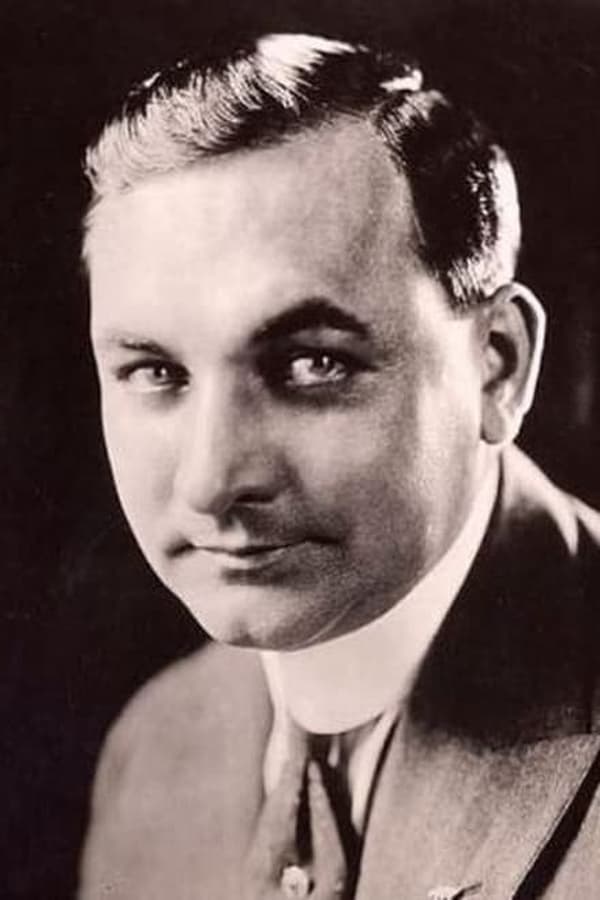
John G. Adolfi
Director


Edith Taliaferro
Esther Field

Paul Panzer
Stephen Field (20 years earlier)
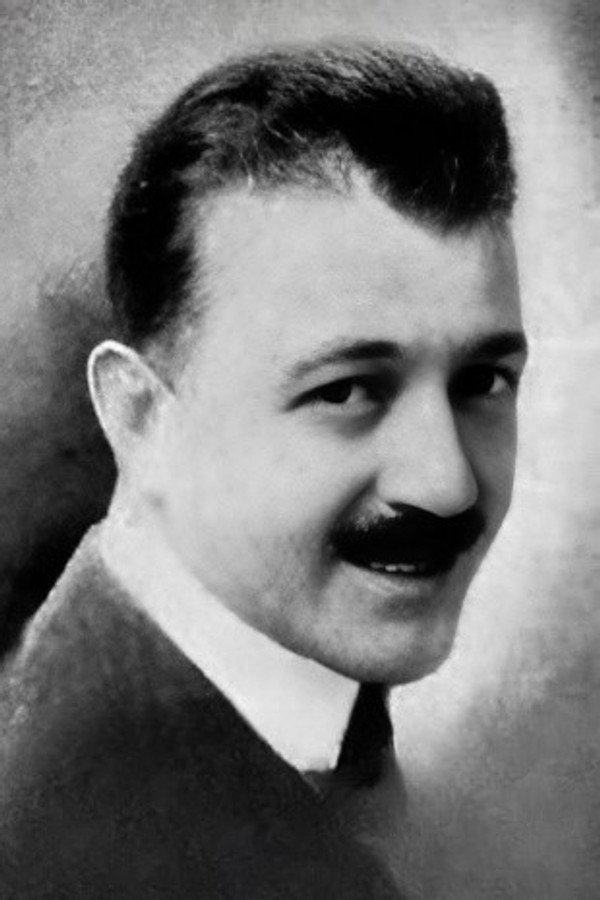
Coit Albertson
Dr. William Morris
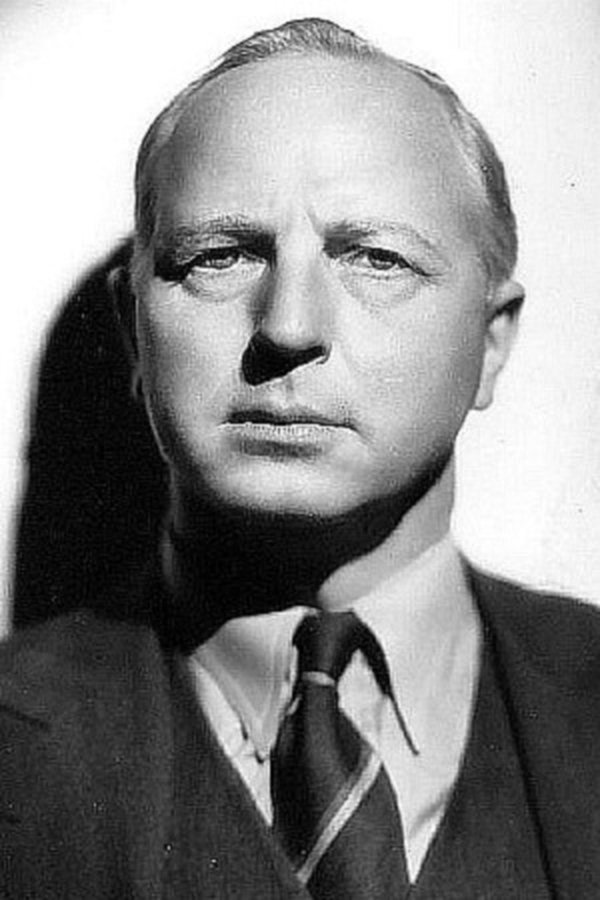
Gladden James
Robert E. Graham Jr.
Frank Burbeck
Stephen Field
Herbert Fortier
Robert E. Graham Sr.
Elizabeth Garrison
Mrs. Robert Graham
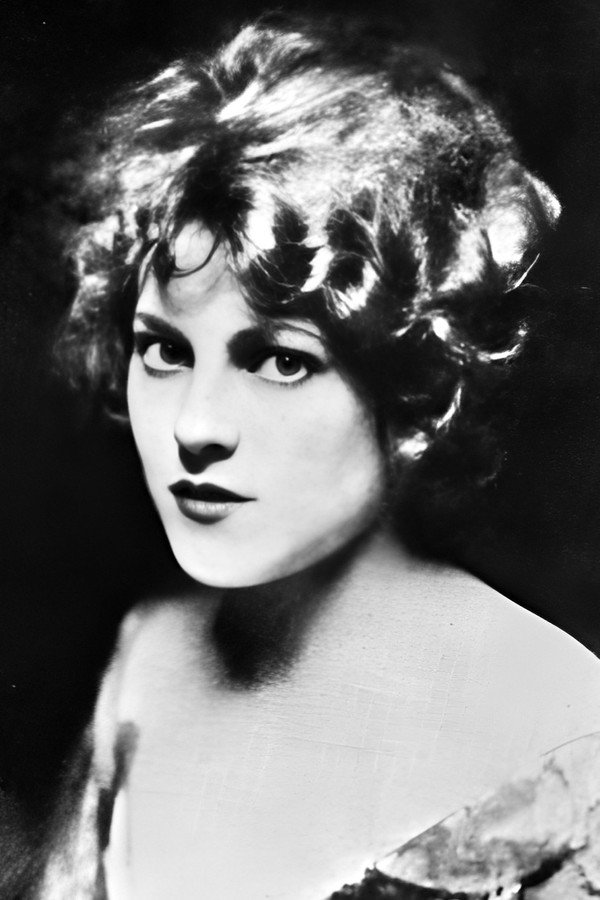
Edith Stockton
Dorothy Graham
Elizabeth Kennedy
The kid
Fjord, like its story, is not a conclusion, but a beginning.
The film exhibits a respect for the craft and an empathy for human tribulations that have historically been ignored.
A quiet film that does not demand your tears but earns them. It explores love that lingers, timing that fails, and the silence between what was and what could have been.
It is up to the community to decide if this film is a force for enlightenment or not.
Coralie Fargeat once said that “Being a woman is body horror,” and when you think about the ways we are taught to experience our own bodies, it becomes almost impossible to argue with her.