
"A man has got to see his face." Horror Noire: A History of Black Horror
This documentary moves chronologically through Black representation in horror films, revealing the genre's connections to Black history.
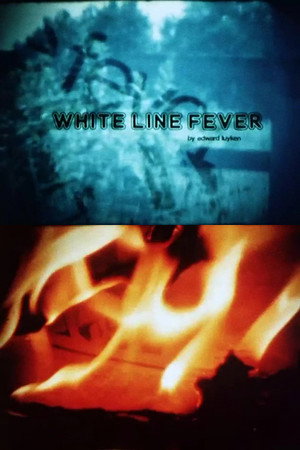


A filmed diary that documents the period that Luyken stayed in the United States. The film consists of three parts: a half-hour filmed in New York, a half-hour report of hitchhiking from the east to the west coast, and again another half hour in New York. The images are edited in a quick sequence; in some cases, the shots are only one frame in length. The name White Line Fever refers to the monotonous succession of white markings on the motorway.
This documentary moves chronologically through Black representation in horror films, revealing the genre's connections to Black history.
I was able to watch the gleefully mesmerizing Disney remake that was Robert Zemeckis’ Pinocchio. I was enthralled by Zemeckis’ iteration.
This article discusses the classic and timeless franchise, The Smurfs.
Like most young people, Leviticus is imperfect. But I love it anyways.
The Djinn is about childhood traumas and lifestyle changes. It tells the story of Dylan (Ezra Dewey), a mute boy who blames himself for his mom’s death. He also condemns himself for being speech-impaired, and he thinks that if he did not have that condition, everything could had been different.
Hitchcock is no stranger to innuendo, as was common in that era, but there was something so sophisticated about his approach to 'Rope', and it starts in the first frame.