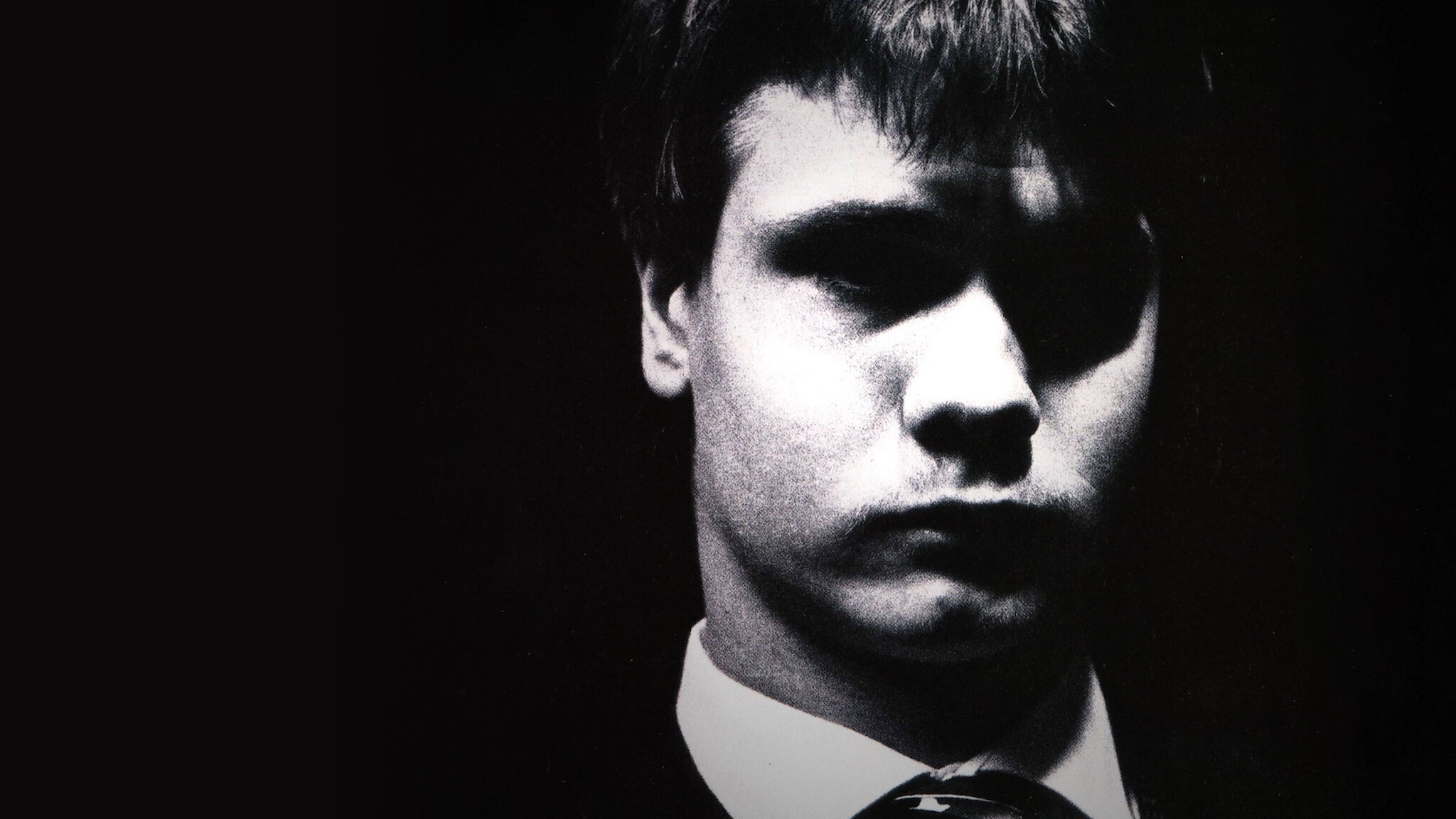
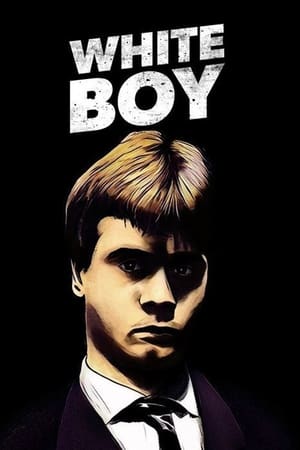
White Boy (2017)
“White Boy Rick”, as he was called, was a novelty: A white teenager seemingly running a major inner-city drug operation. In May of 1987, 17-year-old Richard Wershe Jr. was charged with a non-violent, juvenile drug offense. By the time of his arrest he was already a Detroit legend, frequently making front-page headlines and leading the local television news. In this film, gangsters, hit men, journalists and federal agents struggle to explain why he remains in prison at nearly 50 years old. The possible explanation is more stunning than the crimes Wershe was alleged to have committed.

- / 5
PopScore
Representation
Pictures and Videos

Movie Information
“White Boy Rick”, as he was called, was a novelty: A white teenager seemingly running a major inner-city drug operation. In May of 1987, 17-year-old Richard Wershe Jr. was charged with a non-violent, juvenile drug offense. By the time of his arrest he was already a Detroit legend, frequently making front-page headlines and leading the local television news. In this film, gangsters, hit men, journalists and federal agents struggle to explain why he remains in prison at nearly 50 years old. The possible explanation is more stunning than the crimes Wershe was alleged to have committed.
Rating:
Genre:Documentary
Written By:Brandon Kimber, Seth Ferranti
In Theaters:3/31/2017
Box Office:
Runtime:82 minutes
Studio:


Articles You May Like
Black Fatherhood Gets Elevated in ‘Elevation’
There’s been a longstanding criticism of sci-fi films about its lack of Black characters. For the past few years, Anthony Mackie has been successfully representing Black masculinity in the otherwise homogenous genre and I am here for it.
Making Apes: How the Makeup in Planet of the Apes Changed Filmmaking Forever
Making Apes begins by looking back at the history of makeup effects in Hollywood, which was revolutionized by Jack Pierce, the person behind Frankenstein (1931) and The Wolf Man (1941)
It's Theater VS Cancer in "Don't Say Good Luck"
Netflix’s new comedy drama, Don’t Say Good Luck, is a heartwarming tearjerker as well as a love letter to the transformative power of being a theater kid. Directed by Julia Hart, Don’t Say Good Luck follows Sophie (Sunny Sandler), a theater kid who finally gets the lead role in her school’s production of Waitress - just as she finds out her mom Elizabeth (Melanie Lynskey) is dying of cancer. While the singing is by no means spectacular and Sandler’s acting is stiff, the film is grounded in the moving performance of Lynskey as a mother who wants nothing more than for her daughter to achieve her dreams, even if she can’t be there to see them.
'The Sadness' — An Unapologetic Gore-Fest Making Rounds On Social Media
As a horror buff, I was intrigued by people claiming 'The Sadness' was the most disturbing movie they've ever seen or to watch with caution. So, I finally put the internet to the test and watched it for myself... to varying results.
Indian Representation in Disney's Spin
A movie that brings Indian culture with classic Bollywood themes and electronic dance music.