



Roald Dahl's "Matilda the Musical"
Standing up for what's right, she's met with miraculous results. She takes charge of her own destiny.
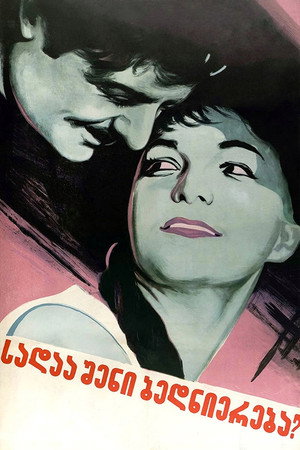


Mzia’s classmates have decided to stay in their village and work at the Sovkhoz after graduation. But Mzia’s mother wants her to go to Tbilisi to become a student.
Standing up for what's right, she's met with miraculous results. She takes charge of her own destiny.
The 92nd Academy Awards had many strong contenders for best animated short. But which Oscar nominated short wins for diversity and inclusion?
Some people’s first introduction to Mira Nair might be as New York mayor Zohran Mamdani’s mom. But with her insightful direction of 1991’s Mississippi Masala, Nair shows how much she deserves to be known as an artist. Delivering a nuanced portrait of a romance between a Black man and an Indian woman living in the South, Nair explores the complications each character faces, giving both equal weight.
Throughout Brendan Fraser’s career, he has played a plethora of unique, layered characters who explore the importance of not being afraid to display your emotions, something that is often seen to not be a masculine trait. This idea of regulating emotion and what traits men are able to possess creates a toxic atmosphere for men who are often told they should not cry or represent their emotions in any physical way. These characters represent that men can be joyful, emotionally conscious, and sensitive, while also representing their masculine identity instead of painting those qualities as fighting against their masculinity.
WandaVision is already proving to be a huge success.
Viewers get a glimpse of life of mediocrity in a world where humans and cartoon characters live together in this comeback.