

The Owl House: A Children’s Show with a Bisexual, Hispanic Lead!
In ‘The Owl House’ protagonist Luz Noceda stumbles across a portal to another dimension where magic exists, called The Boiling Isles.
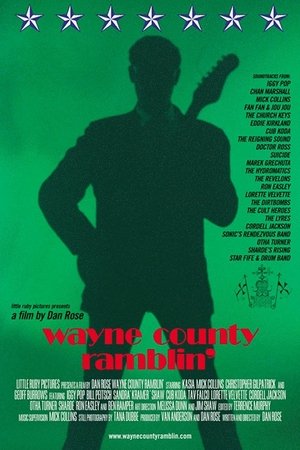


Interweaving fact, folklore, fiction, religion, and lies, Wayne County Ramblin' seeks to reveal its' landscape as part of a great creole nation. It is at heart a road movie that travels south, in the opposite direction of the historical great migration of African-Americans. The story centers around young European-Americans Penny & her boyfriend Johnny, who leave Detroit in search of Penny's long-lost Grandfather, Simon, who is believed to be now-retired and living in his native Mississippi. Mugged and tied-up by the side of the road, they meet Jim, also from Michigan, heading to Mississippi on college break to chase the ghost of William Faulkner. Jim initially appears a fortunate opportunity to achieve their goal but sexual tensions and insecurities quickly cloud and threaten their destinations. But even if they are not aware of it, these three young Americans' lives are being directed by three west-African spirits, who are leading them to a better sense of who they really are.
In ‘The Owl House’ protagonist Luz Noceda stumbles across a portal to another dimension where magic exists, called The Boiling Isles.
This Netflix series is a remake based on the book series of the same name with a more diverse main cast.
Neo Sora left a realistic and yet hopeful notion for the near future and the now.
Moonlight is a film that will certainly be remembered for how it won Best Picture, but the movie itself should be known for its excellent representation of one of the most underrepresented groups in film: Black, gay men.
In all actuality, “Just Mercy” should be labeled a “wall punching narrative.” Constantly, the flick throws high forms of adversity our way, amping up our most inner levels of discomfort. Filmmaker Destin Daniel Cretton wonderfully paces the film in such a way that replicates the slow-burn nature of justice.
'The Last Black Man in San Francisco' is part fiction, part documentary. Jimmie longs for the old Victorian home that he grew up in — the house that his grandfather built. However, this home is now in an overpriced, White, San Francisco neighborhood.