

Why ‘The Wiz’ is the Best Black Musical
'The Wiz' has the propensity for paying homage to black culture with R&B music, graffiti and jazzy elements that make it incredibly entertaining.
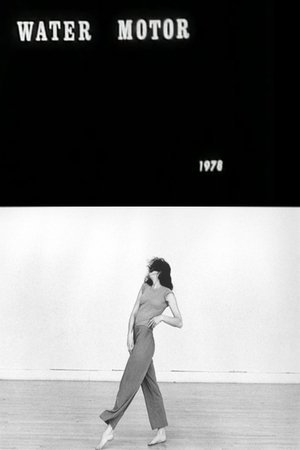


A filmed record of a solo performance by American postmodern dancer and choreographer Trisha Brown. In order to better understand the dance, Mangolte learned to perform it herself. Mangolte shot Brown as she performed the solo twice, and then on the third take she decided to film in slow motion: "I shot slow motion, knowing that it would reveal the dance and the movement in a totally different context... the slow motion version permits a second look at the choreography, and the spectators can marvel at what they remember and also what they missed the first time around."
'The Wiz' has the propensity for paying homage to black culture with R&B music, graffiti and jazzy elements that make it incredibly entertaining.
Cinderella has been adapted many times over, with the latest adaptation from Amazon sparking controversy over its girlboss agenda. But what of diversity? We rank some of the most popular adaptations for diversity.
In addition to the cast being delightfully diverse this time around, the film was just loosely-plotted and action-packed enough to keep a casual fan like myself entertained. While I do agree that the writing of Cole left much to be desired for an original character thrust into a preconceived universe, none of the characters seemed particularly fleshed out in terms of personality; however, I think that's to be expected when you're watching a film literally inspired by a video game.
Zoe Saldaña is a CIA operative who leads a special program that recruits women to infiltrate and dismantle international criminal enterprises, with a QRT(Quick Response Team) providing operational security that shoots people and blows things up on a weekly basis.
Viola Davis is an EGOT pioneer and trailblazer advocating for diversity and opportunity in Hollywood. See the legendary actresses' rise to critical acclaim.
21 Bridges isn’t going to revolutionize action cinema. However, its action components are respectable. Every act is visibly clear, and as time moves forward, the film changes its conflictual rhythm.