

Writing Great Villains: Why They Shouldn't Be Sympathetic
Writing great villains is about striking a balance between charming and evil, so we love them but also love to see them lose.
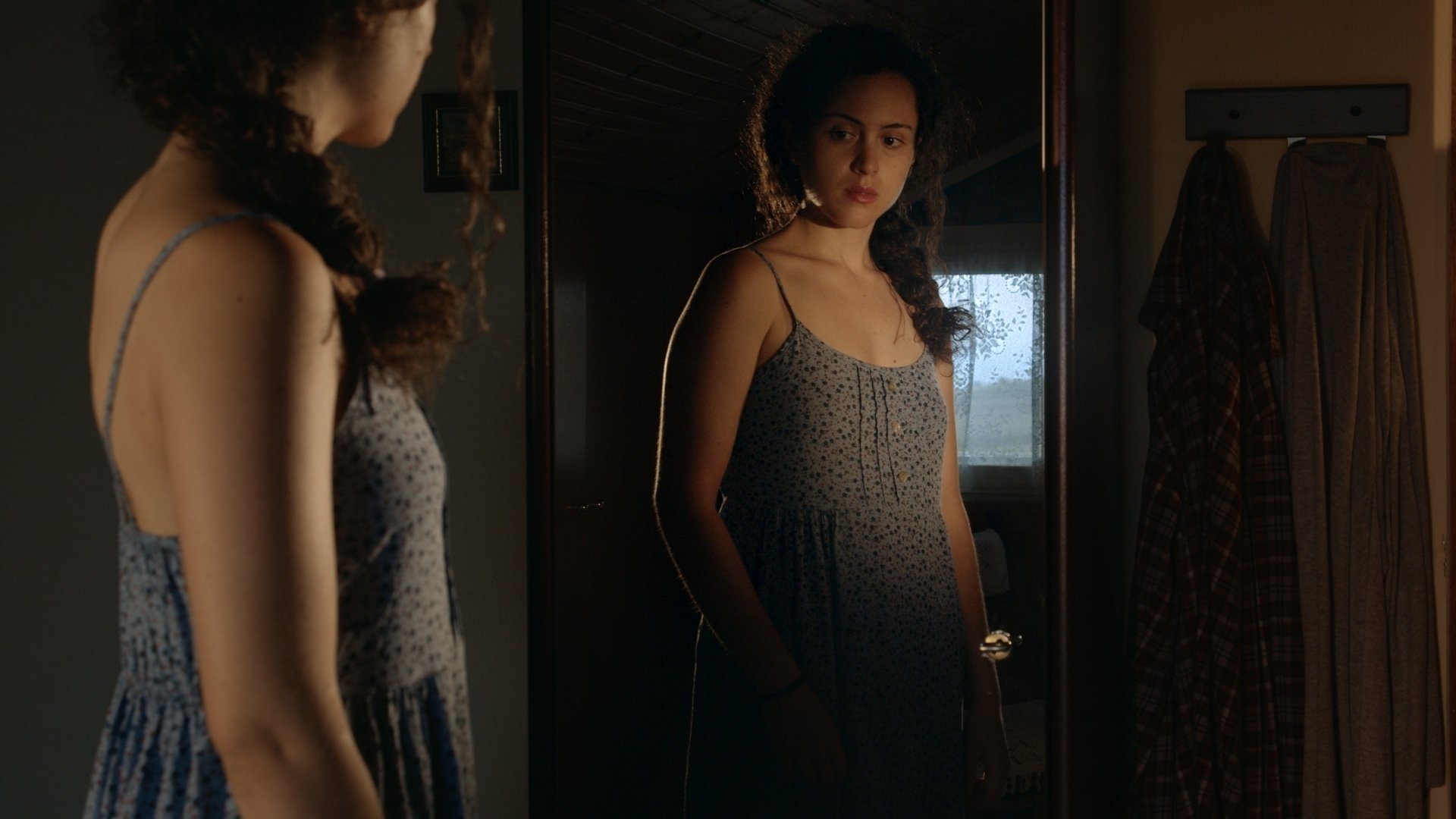
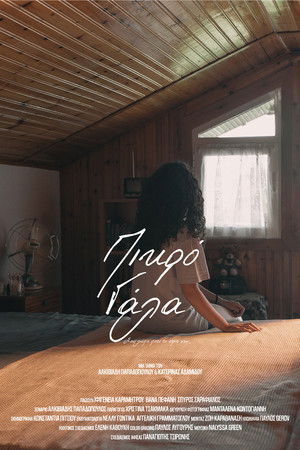


Thirty-year-old Marianna is pregnant and returns to the house she grew up in the village after years, due to her dying father, Pavlos, who is taken care of by her mother, Christina. Traumatic memories from her childhood come back as family secrets are revealed.
Writing great villains is about striking a balance between charming and evil, so we love them but also love to see them lose.
The Roses is a wickedly sharp marital warfare comedy that transforms domestic dysfunction into high art. Olivia Colman and Benedict Cumberbatch deliver powerhouse performances as a couple whose fairy-tale romance implodes when his architectural career collapses just as her culinary empire takes off. What makes Jay Roach's remake so devastatingly effective is its refusal to pick sides—both spouses are equally sympathetic and monstrous, wielding Tony McNamara's razor-sharp dialogue like weapons forged from shared intimacies. It's a film that dares you to laugh at relationship wreckage while forcing you to confront the uncomfortable truth that the line between passionate love and mutual destruction is terrifyingly thin.
Looking back at the representation of different cultures in the magical world of Harry Potter
Dora is the superhero we didn't know we needed.
It is the attention to detail that makes Wolfwalkers resonate more than Luca for Queer representation