
'Young Royals' Review
'Young Royals' is a great example of positive gay representation in its two main protagonists, but the supporting characters are often frustratingly selfish.
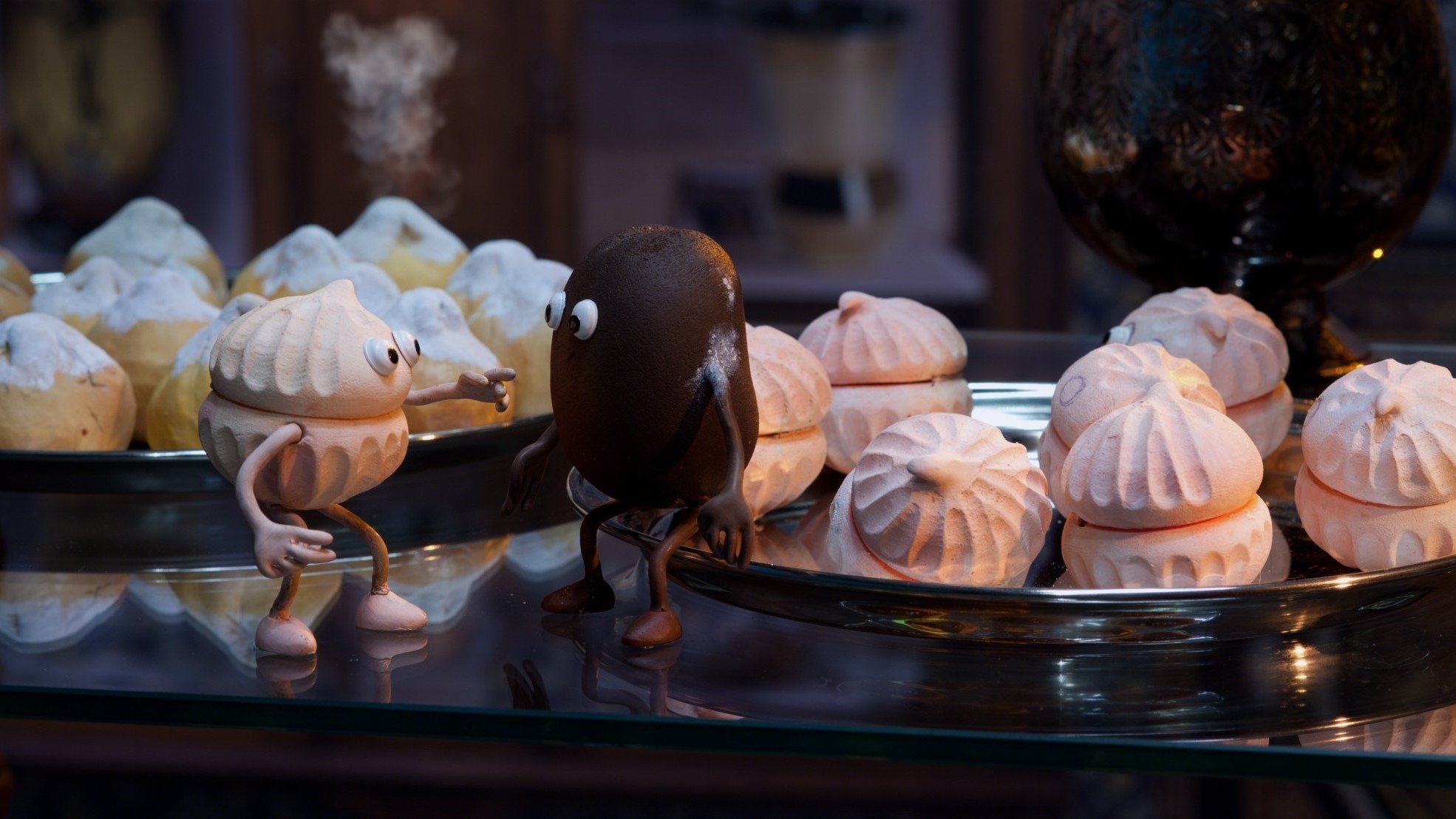
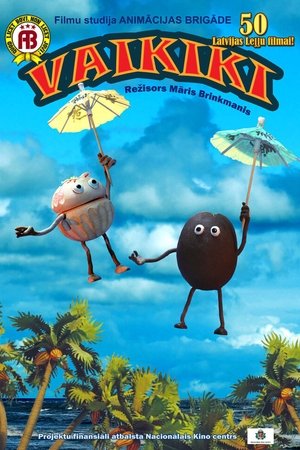


A brown cacao ball and white marshmallow girl “from different shelves” accidentally meet at a confectionery. Neither the brown, nor the white relatives wish to accept the stranger of a different colour and try to cover the differences with either sugar or cocoa powder. Against all odds, friends find their land of happiness.
'Young Royals' is a great example of positive gay representation in its two main protagonists, but the supporting characters are often frustratingly selfish.
The sequel following The Son of Bigfoot explores Adam's conflict of discovering his true identity as he tries to save a wildlife preserve.
Villeneuve’s Dune is a masterpiece for its crafting process, but references to David Lynch's picture are sometimes too obvious.
The plot could’ve really been interesting if the elements of lycanthropy was integrated with perhaps the struggle of identity of being LGBTQ+. It's an experience for so many that as they’re starting to realizing their true selves, they feel like a monster, especially if they come from unsupportive homes or communities. Instead, the horror and transformation elements seem thrown in without contemplation of how this could deepen the narrative.
Despite its aggressiveness, the Beef anthology series is about romantic love in all its forms. The final scene of the first season led us to believe that, despite the conflict, drama, and toxic traits, the main characters would end up together and, most likely, live happily ever after. The whole “beef” plot was the prelude to their love story.
Although the budget was a dollar and a dream, Netflix's 'First Kill' managed to gain over 90 million viewing hours and a small cult following. So why was it canceled? Given the trends in series cancellations, it may have been because of the Black and queer protagonists.