
There is Strength in Silence: An Incluvie Film Festival Review of “Kung Fu Chit”
Featured in Incluvie’s 2020 Film Festival, Kung Fu Chit tells the story of a girl who doesn’t quite fit in.
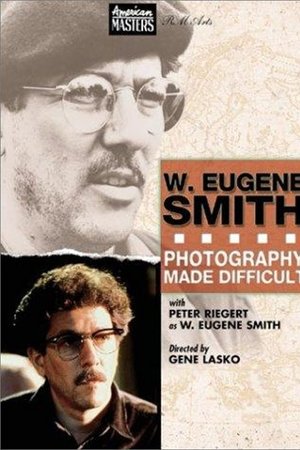


The war in the South Pacific, a country doctor in Colorado, victims of industrial pollution in a Japanese village — all were captured in unforgettable photographs by the legendary W. Eugene Smith. This program showcases over 600 of Smith’s stunning photographs and includes a dramatic recreation in which actor Peter Riegert (Crossing Delancey, Local Hero) portrays the artist using dialogue take from Smith’s diaries and letters. Interwoven through the program are archival footage and interviews with family and friends of this brilliant, complicated man, whose work developed from twin themes of common humanity and social responsibility.
Featured in Incluvie’s 2020 Film Festival, Kung Fu Chit tells the story of a girl who doesn’t quite fit in.
Looking for some Afro-centric entertainment? Check out these movies and immerse yourself in Black culture.
All in all, “Event Horizon” is a cinematic misfire, begging to be perfected in the future. While it possesses an array of admirable visuals, the film leaves much to be desired. If only we could see Anderson’s preferred cut, which featured more character development and tortuous imagery. In the meantime, I have a catchphrase for this film: In space no one can hear you snore.
In addition to the cast being delightfully diverse this time around, the film was just loosely-plotted and action-packed enough to keep a casual fan like myself entertained. While I do agree that the writing of Cole left much to be desired for an original character thrust into a preconceived universe, none of the characters seemed particularly fleshed out in terms of personality; however, I think that's to be expected when you're watching a film literally inspired by a video game.
Bigg County Restorations is a zany new pilot from comedians Joe Bell and Mikaela Watkins. In a spot-on parody of History Channel shows like American Restoration and Pawn Stars, Paul Bigg (John Jezior) works to restore kitschy decor for celebrities while his good-for-nothing adult children, Britney (Mikaela Watkins) and Junior (Joe Bell) go on wacky adventures while slacking off on the menial tasks they’ve been assigned. In the pilot, Britney and Mikaela’s day goes off the rails pretty fast.
Crossroads follows a young guitarist on a journey through the American South in search of blues history and his own voice.