









What Netflix’s 'Daredevil' Gets Right and Wrong About Blindness
The "Daredevil" renaissance is finally upon us! As we return to the Netflix show, let's take a look at the ways the show gets blindness right and wrong.
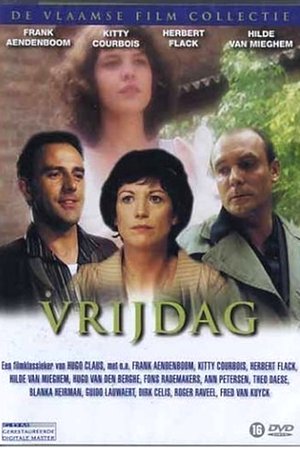


Hugo Claus rewrote and directed Friday as the cinematic version of his original 1969 play of the same name. Just as in the play, the story begins with the theme of incest, as the father Georges (Frank Aendenboom) returns from serving his jail sentence for that crime. Unlike the earlier play, however, the film does not emphasize that aspect of the story. When Georges gets home he finds out that his wife Jeanne (Kitty Courbois) has had an illegitimate child by a younger man, Erik (Herbert Flack), and now both of them must somehow try to return to a normal life, given their only too obvious lapses in moral judgment. As the husband and wife try hard to accommodate each other's failings and start to get to know each other again, Erik comes back into the picture. Now the three of them must resolve the deep-seated conflicts that brought them to this emotionally-wrought juncture of love and betrayal.
The "Daredevil" renaissance is finally upon us! As we return to the Netflix show, let's take a look at the ways the show gets blindness right and wrong.
At 2:17 a.m., every child in a third-grade class wakes up, leaves their home, and disappears into the darkness—except one. The next day, teacher Justine Gandy discovers that Alex Lily is the only student left, while the rest have vanished without a trace. Did Justine have something to do with it, or is a far more sinister force stalking the town, targeting not just children, but anyone in its path?
Despite its aggressiveness, the Beef anthology series is about romantic love in all its forms. The final scene of the first season led us to believe that, despite the conflict, drama, and toxic traits, the main characters would end up together and, most likely, live happily ever after. The whole “beef” plot was the prelude to their love story.
The re-living of this historic trial through this film is relevant to current politics and disturbingly enjoyable to watch due to the excellent performances from the ensemble cast. If you like a juicy courtroom drama, this film will definitely scratch that itch in a really chilling manner.
Based on the best-selling novel by Angie Thomas and a maxim of the late Tupac Shakur.
This animated Christmas movie is based on the classic novel of the same name.