
Kate Called the Shots in 'Call Me Kate'
'Call Me Kate' is for the fans. It's an intimate account of an iconic film star.
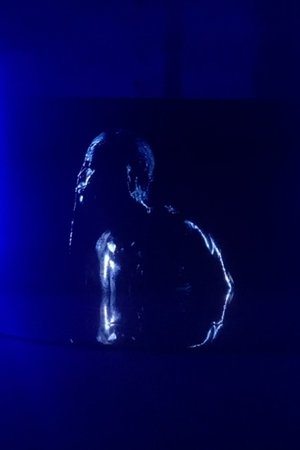


The lull summoned in VOID is not emptiness but an interval premised on the possible, fulfilled through a nonbinary godhead imagining a newfangled world and ushering it into being by creating themself through gesture, expressivity, and movement. VOID's tropical futurist vision of the brown body in primordial space breaches imperial patriarchy's notions of not only power and beauty but also of existence and experience itself. Drawn from myths recounting the creation of the Philippine archipelago through queer + trans performance, VOID envisions a future that conjures embodiments of a nonbinary species of the gender-diverse realm. This vision is prefigured by a nonbinary god who dances their way into an ever-changing space.
'Call Me Kate' is for the fans. It's an intimate account of an iconic film star.
Not only does the system prevent upward mobility, but it makes it incredibly easy to slide from comfortably middle class to unhoused.
There’s enough evidence to insinuate that What We Do in the Shadows is intentionally queer-coded.
As Sexual Assault Awareness Month comes to an end, I’d like to urge viewers and filmmakers to take a long and hard look at how rape is portrayed on screen.
An aspect of She-Ra that I find refreshing is even though a large portion of the cast is on the LGBTQ+ Spectrum, being gay is never mentioned. While this might initially sound like a negative thing, in the show’s land of Etheria being on the gay spectrum is shown to be so common and normalized that straight isn’t the default. As much as there is to appreciate about narratives revolving around the obstacles that may come from being non-heteronormative, it’s nice to get immersed in a world where no one bats an eye at all to any sort of differing identity.