


Avatar: The Last Airbender Both Protests and Embodies Colonialism
Avatar: The Last Airbender's success fifteen years after its premiere proves the enduring power of its storytelling. But it's more than just a quality show.

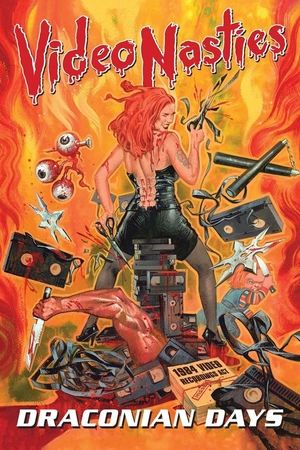


The highly anticipated follow-up to their critically acclaimed VIDEO NASTIES: MORAL PANIC, CENSORSHIP & VIDEOTAPE documentary, director Jake West and producer Marc Morris continue uncovering the shocking story of home entertainment post the 1984 Video Recordings Act. A time when Britain plunged into a new Dark Age of the most restrictive censorship, where the horror movie became the bloody eviscerated victim of continuing dread created by self-aggrandizing moral guardians. With passionate and entertaining interviews from the people who lived through it and more jaw dropping archive footage, get ready to reflect and rejoice the passing of a landmark era.
Avatar: The Last Airbender's success fifteen years after its premiere proves the enduring power of its storytelling. But it's more than just a quality show.
This sports drama movie is centered around an Asian American boy named Chang.
The live-action remake brings adventure and shows viewers why representation is important in a Disney Princess movie.
In Deaf, the Spanish director Eva Libertad explores pregnancy and motherhood from the perspective of a deaf woman. Her movie examines how the world imposes the notion of disability on her main character while she actually does not feel disabled herself.
Few movies deal with aging (particularly aging women) with as much compassion as Relic does. Yet it’s not sickly sweet and not a soapbox rant against ageism. Relic simply is, allowing the horror to seep in quietly and carefully.
The way Jeannette has to deal with child neglect makes her insecure about her parents and how she was brought up and raised in the United States. This continues into adulthood, where Jeannette becomes a successful journalist and is frequently asked about her parents by others.