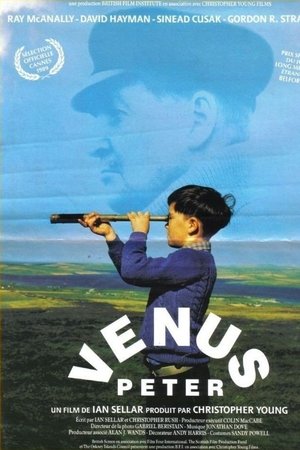
Venus Peter
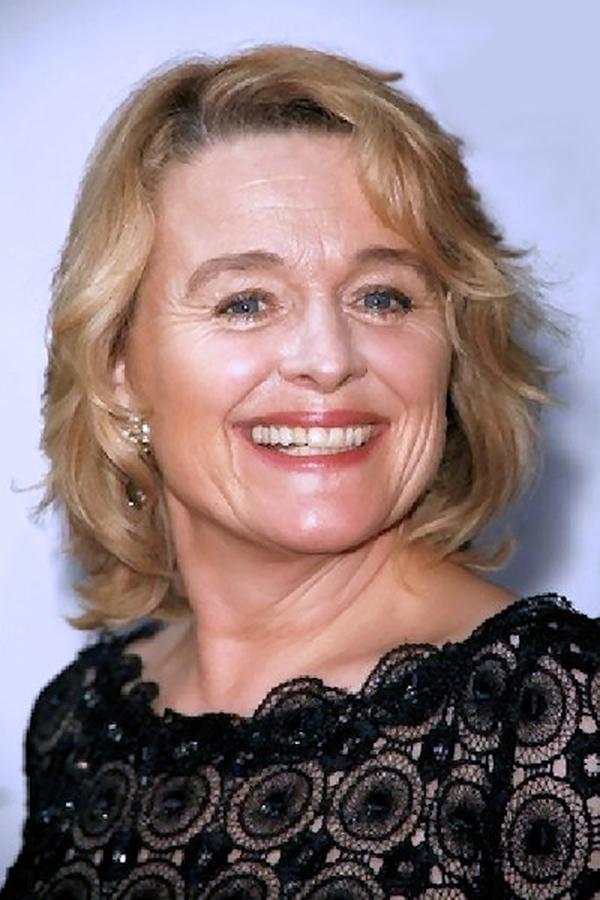
Produced for Scottish television, Venus Peter was financed by the Orkney Islands Council. The title character is transformed into a "sea child" when he is baptized with salt water. Though his family tries hard to accustom him to life on land, Peter (Gordon R. Strachan) yearns to go to sea -- or, at the very least, to escape his cloistered community. He finds a kindred spirit in Princess Paloma (Juliet Cadzow), the village "looney," who, alas, is eventually carted away to an institution. Briefly fascinated by poetry and music, thanks to his lovely teacher Miss Balsibie (Sinead Cusack), Peter is disillusioned when he finds his teacher in the arms of her lover (and out of her clothing). The final blow to Peter's idealism comes when his grandfather's ship is repossessed. Despite the bleakness of his surroundings and his seemingly dead-end existence, however, Peter never completely lets go of his dreams, and the film ends on a positive note.

- / 5
PopScore
Representation
Pictures and Videos

Movie Information
Produced for Scottish television, Venus Peter was financed by the Orkney Islands Council. The title character is transformed into a "sea child" when he is baptized with salt water. Though his family tries hard to accustom him to life on land, Peter (Gordon R. Strachan) yearns to go to sea -- or, at the very least, to escape his cloistered community. He finds a kindred spirit in Princess Paloma (Juliet Cadzow), the village "looney," who, alas, is eventually carted away to an institution. Briefly fascinated by poetry and music, thanks to his lovely teacher Miss Balsibie (Sinead Cusack), Peter is disillusioned when he finds his teacher in the arms of her lover (and out of her clothing). The final blow to Peter's idealism comes when his grandfather's ship is repossessed. Despite the bleakness of his surroundings and his seemingly dead-end existence, however, Peter never completely lets go of his dreams, and the film ends on a positive note.
Rating:
Genre:Drama
Written By:Ian Sellar
In Theaters:
Box Office:
Runtime:94 minutes
Studio:Young Films




Articles You May Like
'Anna': Who is She Really?
There were too many irrelevant parts that could have been shortened, and too many characters that didn't advance the plot. Either way, some things didn't add up. This was just another played out plot with little, if any, originality in it. By the end of the film, I wasn't happy that she finally got her freedom, I was happy that it was finally over.
KIFF 2022 Review: ‘Joyland’ Criticizes Patriarchy through Its Tender Narrative and Compassionately Humanized Characters
I hope that more people will see Joyland, understand the situation, and eventually change themselves and society so we can have a more accommodating world where everyday tragedies like the one depicted in the film do not occur.
Incluvie Classics: Strong Women and Gender Expression in Alfred Hitchcock's “Psycho.”
Alfred Hitchcock’s 1960 film "Pyscho" is an American film classic that still resonates today.
What is "Bugonia" Actually Trying to Say?
The film seems like an extreme interpretation of the conspiracy theorists that exist in real life. And then, there’s the twist.
What Mean Girls Says About Diversity
Mean Girls not only centers around what goes on in high school, but also shows viewers and fans the diversity among people, especially teenagers, within today's society.