


What We Do in the Shadows (of Our Closet Walls)
There’s enough evidence to insinuate that What We Do in the Shadows is intentionally queer-coded.
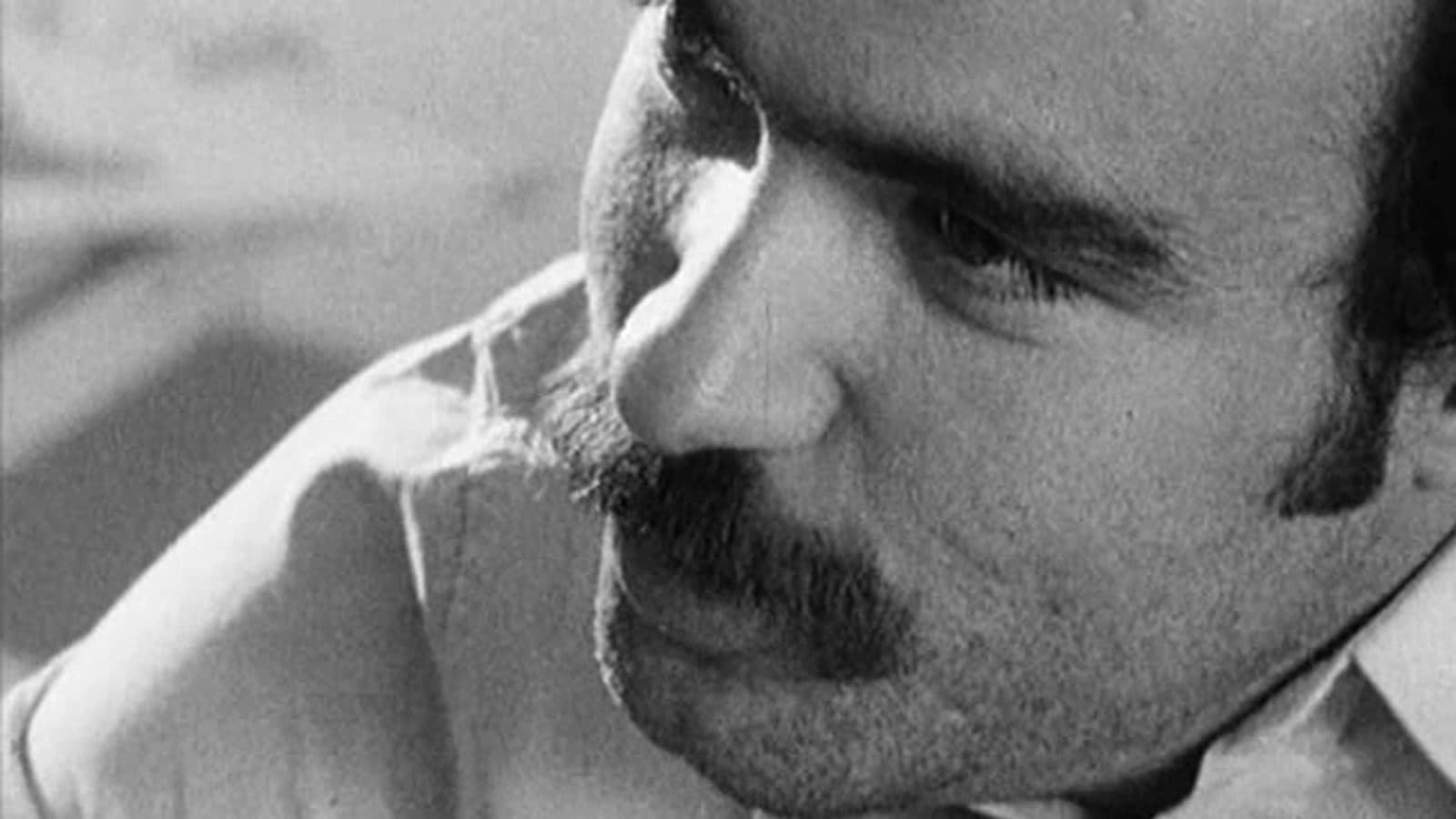
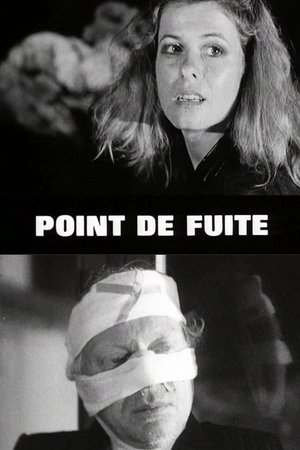


An island retreat. A man, his face bandaged, plays cards nonchalantly. His ex-wife arrives. Conversations happen.
There’s enough evidence to insinuate that What We Do in the Shadows is intentionally queer-coded.
This groundbreaking summer blockbuster proves that diversity enhances the action genre.
Films and TV series often tend to misrepresent or not acknowledge bisexual characters, but recent trends show that bi-erasure is now under deserved scrutiny. So, I’m genuinely happy about the direction bi-representation seems to be taking.
When it comes down to it, The English explores what happens when power is unchecked and how those who seem powerless, have more strength than most through their convictions for justice.
In Deaf, the Spanish director Eva Libertad explores pregnancy and motherhood from the perspective of a deaf woman. Her movie examines how the world imposes the notion of disability on her main character while she actually does not feel disabled herself.
In My Octopus Teacher, documentary filmmaker Craig Foster models healthy masculinity by showing us a trusting, gentle, and emotionally fulfilling bond with an octopus.