




The Last Duel: Examining Modern Rape Culture in Medieval Times
The Last Duel is about rape. Although the film delves into rape culture in medieval Europe, there are many striking similarities to modern rape culture.

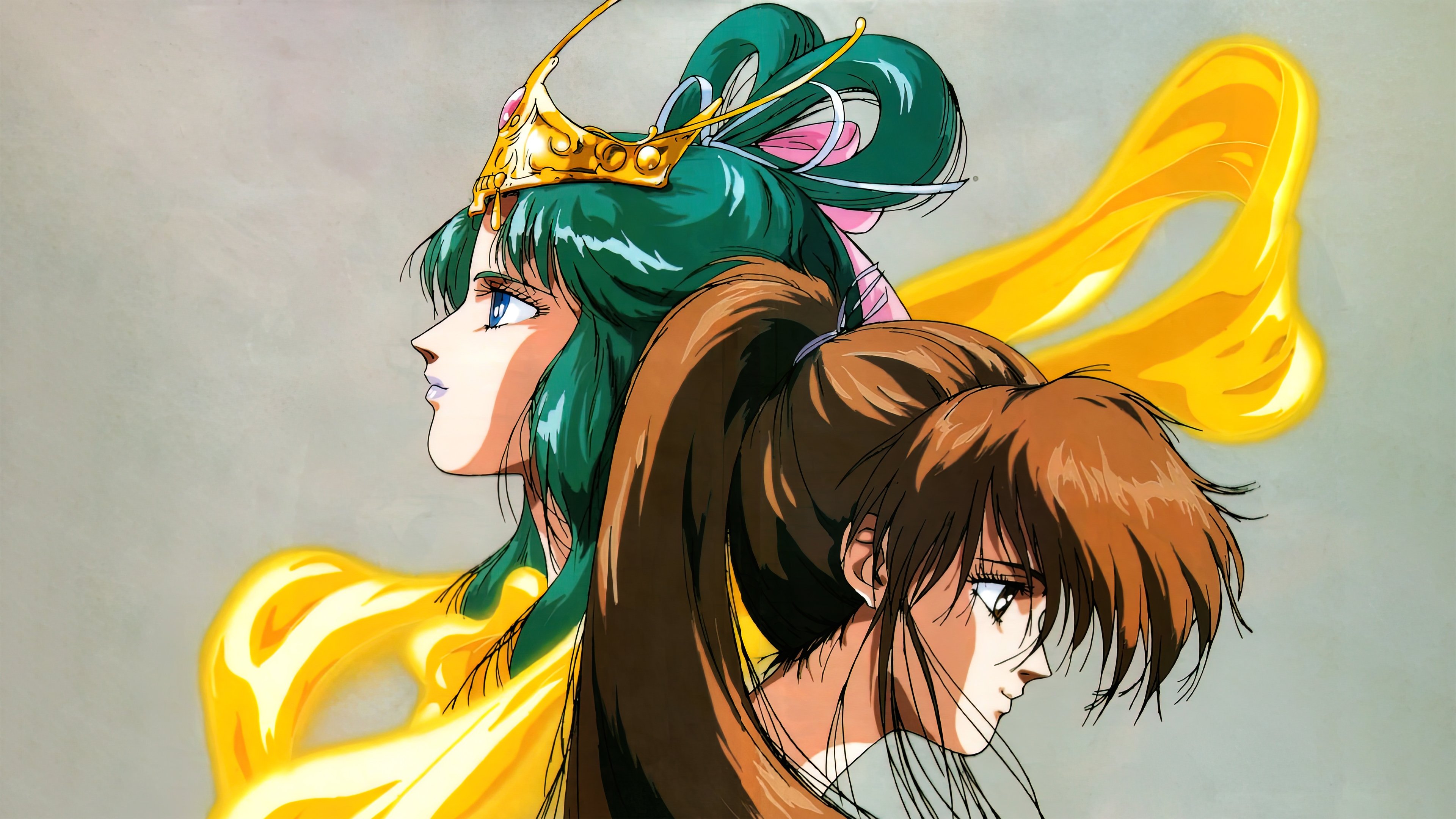
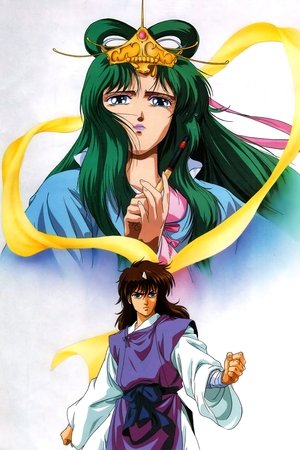
In the chaos of the Jinshin-no-Ran civil war of 762, a child with a small horn in his forehead was born. The child's mother condemned him as an oni and cast him away. An elderly shūgenja woman claimed the child and named him Utsunomiko, or 'Divine Child of the Heavens', telling Miko that his horn smybolizes the union of heaven and earth. Miko matured in the wilderness learning the ways of Shugendō, and soon started venturing into villages out of curiosity. He found that the common people of the villages live in poverty and suffering, and began using his spiritual powers to help them. But his anger at the self-serving rulers and their petty power-struggles grew until he came into open conflict with the Imperial Court, setting Miko down a long path as a champion of the oppressed.
The Last Duel is about rape. Although the film delves into rape culture in medieval Europe, there are many striking similarities to modern rape culture.
The sequel to the 2021 remake of the same name continues from where we last left off in this spooky adventure.
Asha, the main character, is a biracial woman who discovers the power of magic wishing dust.
When a powerful church leader is found dead, Benoit Blanc enters a tight-knit community where everyone has secrets, but not everyone is fully developed.
The three themes of lessons learned from HBO Max's Station Eleven are the same as the pandemic: love, regret, and art.
In the film adaptation, director Jon M. Chu turns each musical number into a massive show stopper, with grand set pieces and a wealth of diverse dancers. Yet, in this attempt to show reverence for the people of the Washington Heights barrio, Chu, or maybe more specifically those in charge of casting, left out a crucial part of the community, Afro-Latinos.