
Unseen Photos of Anfal
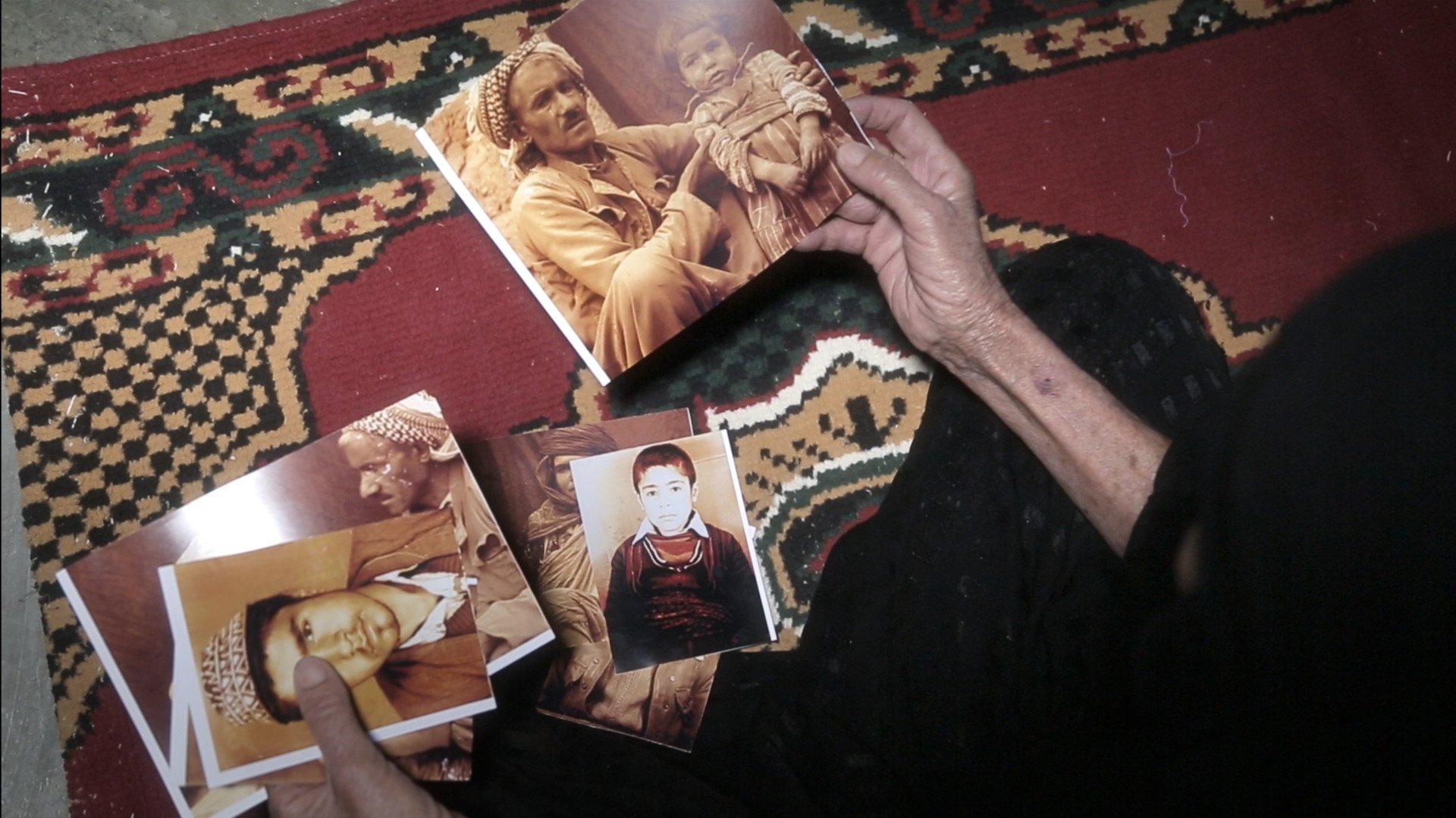
The story tells the life of a photographer who lived in areas of Iraqi Kurdistan and in areas where there was genocide. He has photographed the people of the villages and towns in the areas. And after a long time more than 25 years, the negative films passed from one owner to another. Recently one from the village of Asker found out about those pictures. then he starts searches from one village to another looking for the relatives of those missing in Anfal Military operations. He wants to give them the photographs of their missing people. With every photo, there are touching stories. For example, an old man and an old woman lost their five children in 1988 and have no pictures. Thirty years later, They are able to see pictures of their five children.

- / 5
PopScore
Representation
Pictures and Videos

Movie Information
The story tells the life of a photographer who lived in areas of Iraqi Kurdistan and in areas where there was genocide. He has photographed the people of the villages and towns in the areas. And after a long time more than 25 years, the negative films passed from one owner to another. Recently one from the village of Asker found out about those pictures. then he starts searches from one village to another looking for the relatives of those missing in Anfal Military operations. He wants to give them the photographs of their missing people. With every photo, there are touching stories. For example, an old man and an old woman lost their five children in 1988 and have no pictures. Thirty years later, They are able to see pictures of their five children.
Rating:
Genre:War, History, Documentary
Written By:
In Theaters:
Box Office:
Runtime:25 minutes
Studio:
Cast


Articles You May Like
The Bleak Reality of “Lost Girls”
Martin Scorsese's 'Kundun' is a Must Watch for Dharma Day
Director Martin Scorsese broadens his boundaries from mafia-driven movies, to a Buddhist biopic of the 14th Dalai Lama. While Buddhism strives for peace, ‘Kundun’ reveals the violence inflicted on Tibetan Buddhists and Scorsese’s depiction of violence does not stray away.
'They Fight' Is K.O.'d By White Gaze
If you are a discerning movie watcher and/or an African-American with a modicum of Black consciousness, this film isn’t for you. It would be better to watch the documentary ‘They Fight’ to see the impactful, emotional story of Walter Manigan and the young men of DC’s Ward 8.
Mixed-Race Passing: An Actress's Life Mirrored in "Imitation of Life"
White audiences saw Peola’s mixed-race passing as a Black woman’s struggle to be white. Black audiences saw it as the rebellion of a Black woman trying to gain privileges only given to white people.
The 100: Highlighting Humanity’s Successes and Failures in Overcoming Hateful Rhetoric
The 100 imagines a future where humanity's overcome some of its most pervasive forms of prejudice—only to create new ones.