






"Snatching trophies? I am a trophy." Trixie Mattel: Moving Parts
World-famous drag queen Trixie Mattel shares a year of her life with the world in this vulnerable and uplifting documentary.
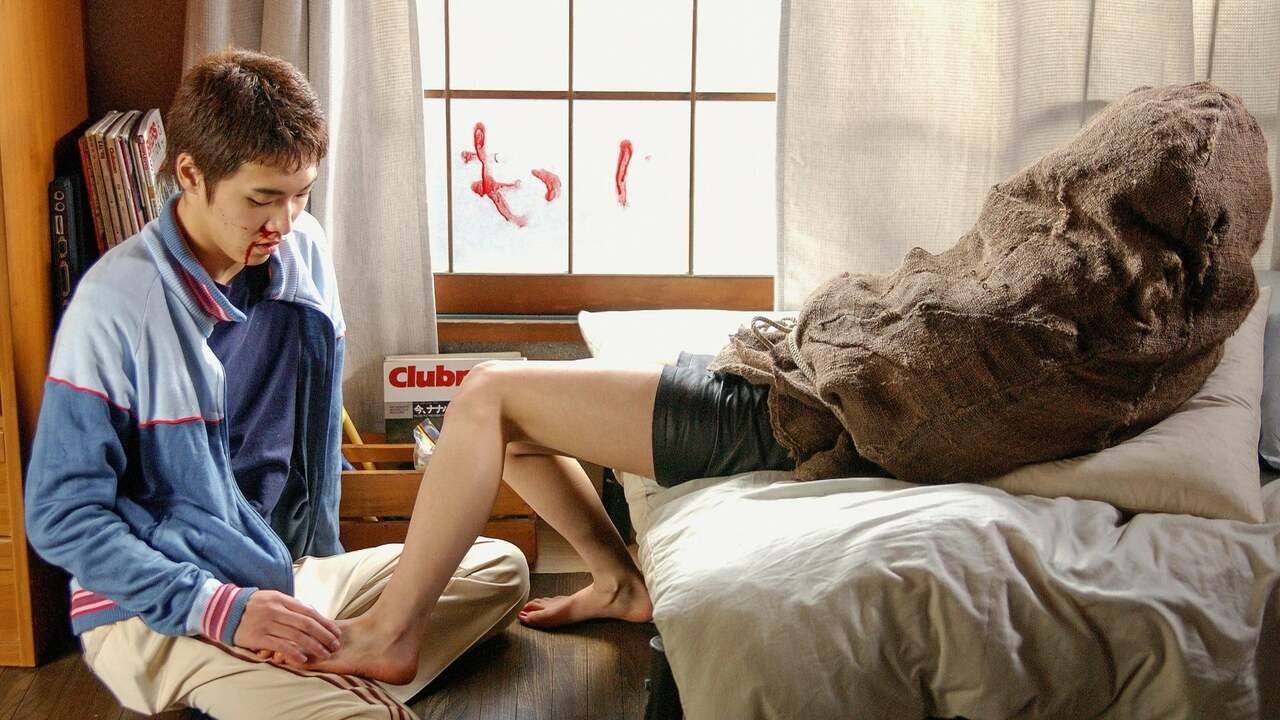
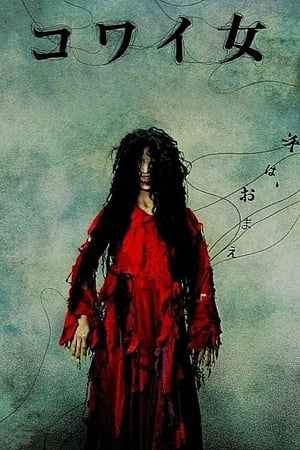


Unholy Women (Kowai onna), is a composite of three unrelated half-hour horror movies. A compilation of 3 separate short horror films (Rattle Rattle, Hagane, The Inheritance) written and directed by Keita Amemiya, Takuji Suzuki, and Keisuke Toyoshima respectively. The first segment, “Rattle Rattle”, tells the story of a young woman who is pursued by an evil other-worldly being. The second movie, “Steel”, concerns a young man who agrees to take the sister of his boss out on a blind date, drawing him into a world more frightening than he ever dreamed possible. The third and final episode, “The Inheritance”, is a supernatural tale of a woman and her young son, scarred by abuse and psychological trauma.
World-famous drag queen Trixie Mattel shares a year of her life with the world in this vulnerable and uplifting documentary.
'The Last Black Man in San Francisco' is part fiction, part documentary. Jimmie longs for the old Victorian home that he grew up in — the house that his grandfather built. However, this home is now in an overpriced, White, San Francisco neighborhood.
The Resort has an excellent climax surrounded by disappointments. Somehow, at a mere 75 minutes, this movie still manages to be 70 minutes too long.
Disney has kept its word and allowed a new generation of Black and/or African storytellers to tell their own original stories. The question remains, will the public keep their word?
‘Killers of the Flower Moon’ is preoccupied with plot and not on the greater struggle of the Osage.
With The Father, writer-director Florian Zeller- who wrote and developed the play upon which the film is based- pulls no punches as he confidently makes every effort to put the audience in the mind of someone whose grip on reality has all but vanished. It’s a dazzling testament to Zeller’s abilities as a director as he makes his first transition from stage to film appear as if he’s been working behind a camera his entire career. The dialogue he fashions with co-writer Christopher Hampton, along with the work of production designers Peter Francis and Cathy Featherstone, collectively makes the downward spiral of dementia startlingly tangible, doing so in a way that can be comprehended by everyone except the person it directly affects.