

'Ashley Garcia: Genius In Love' (2020)
This Netflix series is about Ashley Garcia, who gets a once in a lifetime opportunity to work at NASA.
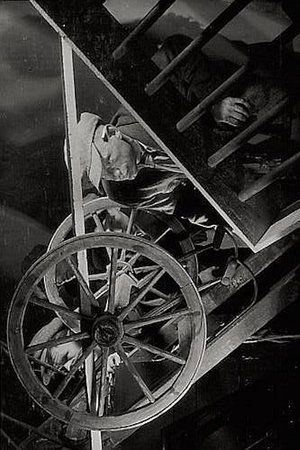


Willy Zielke was a brilliant photographer and filmmaker from Łodź who suffered greatly at the hands of the Nazis: His German feature films of the 1930s, Arbeitslos and Das Stahltier, were banned; Leni Riefenstahl made use of him to conceive, direct, and shoot the prologue for Olympia, but gave him no credit; and later, in a mentally incapacitated state, he was confined to an insane asylum where he was forcibly sterilized, only to be released after five years in 1942 so that Riefenstahl could make use of him once again on the final shooting of Tiefland. Zielke’s 1933 film Arbeitslos, commissioned by a Maffei railway company unemployment shelter, presented a despairing portrait of a nation in near-total collapse.
This Netflix series is about Ashley Garcia, who gets a once in a lifetime opportunity to work at NASA.
How powerful can a story be when it is stripped to the bare essentials of just a room, a handful of people and raw human voice?
It’s 5:30am. The baby’s crying, but you need to finish prepping for your big pitch at work that morning. What do you do? You do the near impossible: both. That's what "Workin' Moms" is all about.
Death on the Nile (1978) film mindless entertainment playing out on sets and wonders larger than the stakes, both of these films fail to live up to the hype of Agatha Christie's mystery. Check out cast & characterless controversy.
KPop Demon Hunters took social media by storm recently—is it truly as good as people have hyped it up to be?
A film about family and sacrifice... and carnivorous locusts coming after you.