


Not Much More than Magic in 'Maestro'
In 'Maestro,' we're left with an impression but not with an understanding of the main character.

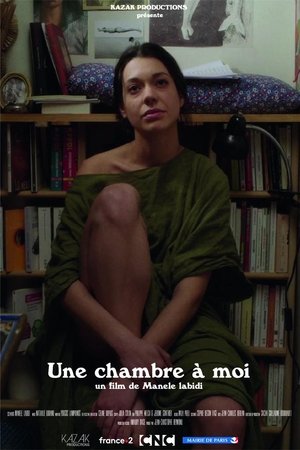
Djuna, a writer, lives with Léo in a tiny one-room apartment, which has got even smaller with the arrival of their baby. Overwhelmed by the lack of privacy and a feeling of suffocation, Djuna can no longer manage to write. One day, she decides to commandeer the toilet to have a room of her own.
In 'Maestro,' we're left with an impression but not with an understanding of the main character.
There’s enough evidence to insinuate that What We Do in the Shadows is intentionally queer-coded.
The Mandolorian has a more nuanced and commentative take on masculinity that refrains from praising the toxic traits associated with the social category, while also showing a more positive and transformative representation of masculine characters.
Documented human suffering is never easy to view or read about and is understandably triggering for many people, but it can be educational, and education is a key to change. An overwhelming amount queer people worldwide (and in my own country) have it far worse than I could imagine, and documentaries such as Welcome to Chechnya bring issues to light that certain groups of people would never see.