



"Do Revenge" Bends Genres, Champions Authenticity, and Promotes Inclusivity
'Do Revenge' offers a 2022-relevant sociopolitical commentary that decries virtue signaling while promoting the inclusive virtues the nefarious power structures exploit.

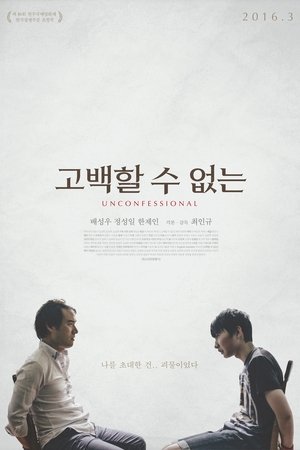


Cruel revenge...a confession even crueler than that. Movie director Byeong-cheon invites high school student Se-yeong over to his house to interview her for a character in his next movie. He relives her nerves with some vodka and starts the interview on a good note but things change when Byeong-cheon brings out his real intentions.
'Do Revenge' offers a 2022-relevant sociopolitical commentary that decries virtue signaling while promoting the inclusive virtues the nefarious power structures exploit.
The differences in these films could not be more blatant, and yet Gus Van Sant has found a way to portray the same messages and use the same techniques in each.
The way Jeannette has to deal with child neglect makes her insecure about her parents and how she was brought up and raised in the United States. This continues into adulthood, where Jeannette becomes a successful journalist and is frequently asked about her parents by others.
'My Big Fat Greek Wedding' is a franchise built on inclusive storytelling.
The Batman (2022): Every Fan's Fantasy But Not A Masterpiece, As a superhero nerd and a childhood fan of Batman, the film is like a dream come true. Check out movie review, summary & movieplot
When it comes the horror genre, I am VERY hard to please or impress, much less scare. Coming from a current mindset of appreciation for chilling, unsettling, tension-inducing efforts such as "Hereditary", "The Conjuring" (ONLY the first one to date, mind you), "Lights Out", "The Babadook", "Midsommar", "Talk To Me", "Oddity", "Bring Her Back", and the like