




“The 100”: Highlighting Humanity’s Successes and Failures in Overcoming Hateful Rhetoric
The 100 imagines a future where humanity's overcome some of its most pervasive forms of prejudice—only to create new ones.
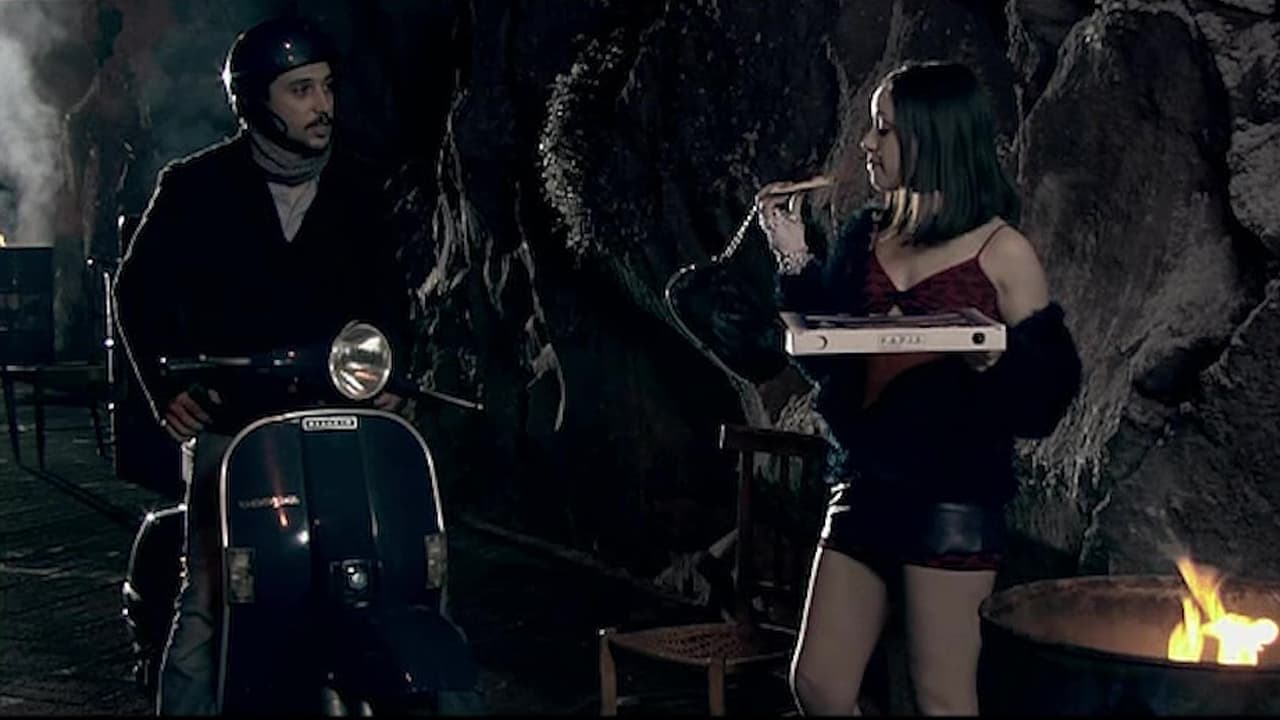



The 100 imagines a future where humanity's overcome some of its most pervasive forms of prejudice—only to create new ones.
We sat down with Writer/Director Albert Acosta to discuss his debut short film, (ha-ha), Acosta's foray into narrative cinema, and how his personal experiences have shaped his filmmaking philosophy.
If I had truly wished to witness "Guardians of the Galaxy", I would have stayed home to do so. Instead, I went to the IMAX and took in this newest incarnation of one of the most recognized and adapted superheroes in the DC Universe. **Sigh** Let me be clear here. I am NOT saying this is an AWFUL film.
Netflix’s Shadow and Bone has a complicated relationship with race. It has a diverse cast, but not without its problems. Based on Leigh Bardugo’s two book series, the show features characters from the Shadow and Bone trilogy, which is very straight and white, and the Six of Crows duology, which is much more diverse. When bringing together a cast and writing about these characters, the team behind the show expanded upon some of the representation missing from the first trilogy, then seemed to take away representation from the duology. Shadow and Bone seems to play a bit of a push and pull game when it comes to portraying diversity onscreen.
It’s dark, uncomfortable, and there are things that don’t make sense.
A thief and street dog named Roger has to work with other pets to take down the evil Mayor Frank Stone when he plans to destroy Robo City.