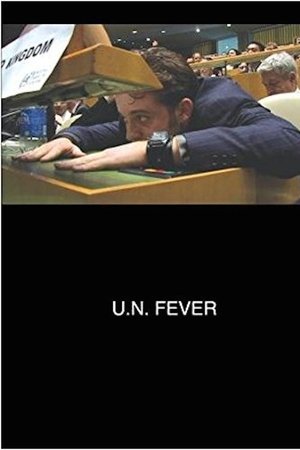
U.N. Fever (2008)
U.N. Fever follows three teams of college students as they prepare to compete in the international Model U.N. competition held annually in New York City. These passionate young people are among our future world leaders. They seek real-life solutions to today's global crises. The film peers into their lives as they undergo the dramas, breakdowns and triumphs of this challenging, life-altering experience. This is a real-life story leaving audiences feeling hopeful about the next generation and its commitment to world peace, human rights and justice.

- / 5
PopScore
Representation
Pictures and Videos

Movie Information
U.N. Fever follows three teams of college students as they prepare to compete in the international Model U.N. competition held annually in New York City. These passionate young people are among our future world leaders. They seek real-life solutions to today's global crises. The film peers into their lives as they undergo the dramas, breakdowns and triumphs of this challenging, life-altering experience. This is a real-life story leaving audiences feeling hopeful about the next generation and its commitment to world peace, human rights and justice.
Rating:
Genre:Documentary
Written By:
In Theaters:1/1/2008
Box Office:
Runtime:56 minutes
Studio:Jezebel Productions (II)
Cast


Articles You May Like
Why DEH should have Gone POC
The gentle, emotional nuances of Evan’s coming-of-age story would have been so beneficial to have incorporated into the life of a POC character. Showing a Black, Asian or Latino young man that is afforded the space to be vulnerable, flawed and sensitive while driving a compelling and widely-loved narrative would have been a game changer.
'Mr. Malcolm's List' Is A Lighter Version of 'Bridgerton'
Mr. Malcolm's List is a pleasant promenade through a fantasy Regency-era England filled with people of color. For fans of Bridgerton, this is the PG version of the show, but with completely colorblind casting and a much lighter tone.
Why "The Watermelon Woman" is Just as Powerful 30 Years Later
This movie will always resonate with queer people, for as long as queer people exist.
The Rise of a Kindhearted Comedy Hero: The Anti-Toxic Masculinity Message of Brendan Fraser Films
Throughout Brendan Fraser’s career, he has played a plethora of unique, layered characters who explore the importance of not being afraid to display your emotions, something that is often seen to not be a masculine trait. This idea of regulating emotion and what traits men are able to possess creates a toxic atmosphere for men who are often told they should not cry or represent their emotions in any physical way. These characters represent that men can be joyful, emotionally conscious, and sensitive, while also representing their masculine identity instead of painting those qualities as fighting against their masculinity.
"Warrior": Chinese American Liberation, Corruption, and the Cost of Power
"Warrior" is a Bruce Lee written and inspired story that follows a diverse cast of Chinese American characters and does a terrific job of setting the story in 1878 San Francisco - all without pulling their punches with the systemic racism, discrimination, and struggle for power that old and young immigrants that crossed the country at that time had to go through.