
Love, Regret, and Art: Pandemic Lessons from Station Eleven and The Real World
The three themes of lessons learned from HBO Max's Station Eleven are the same as the pandemic: love, regret, and art.
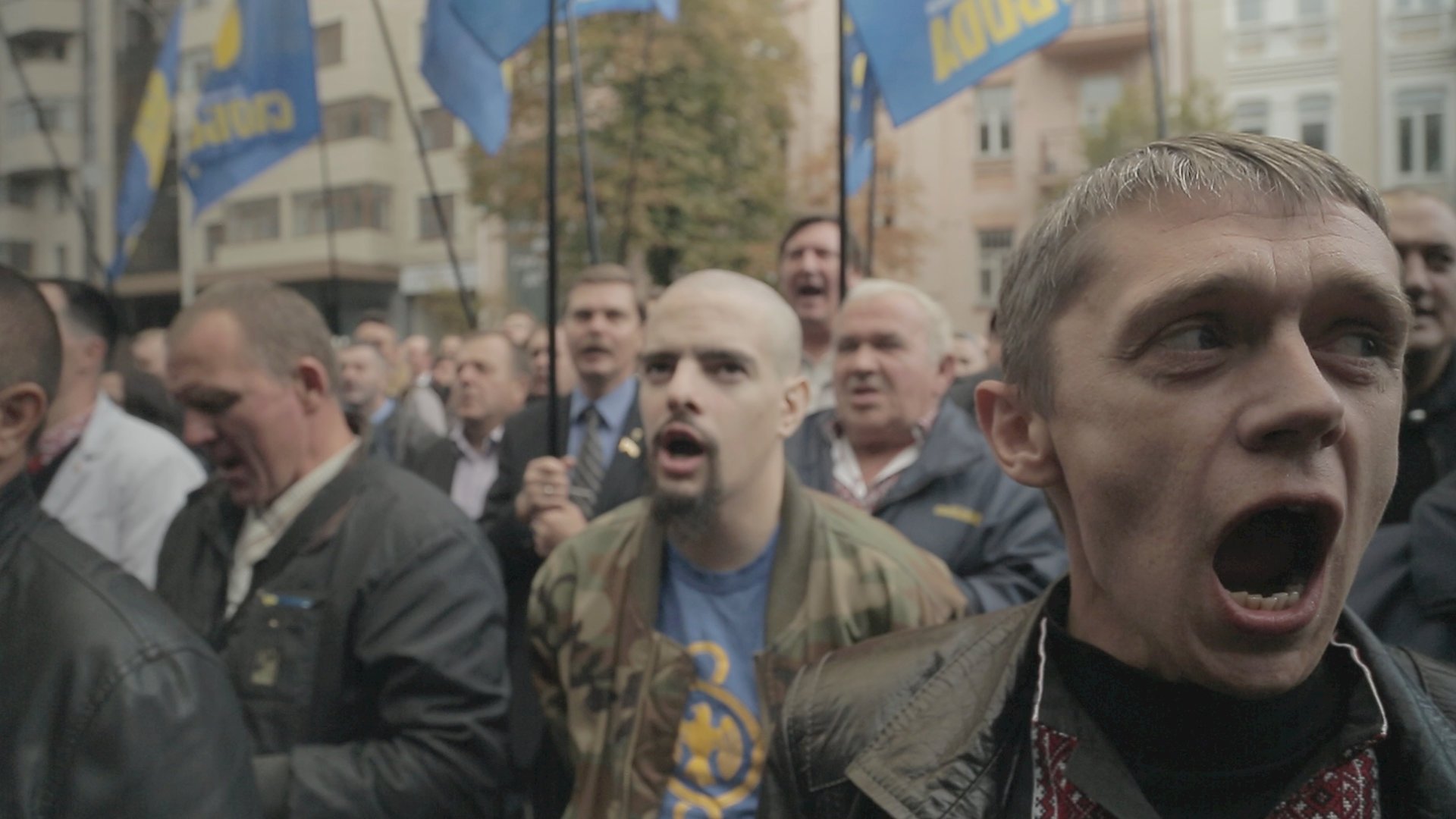
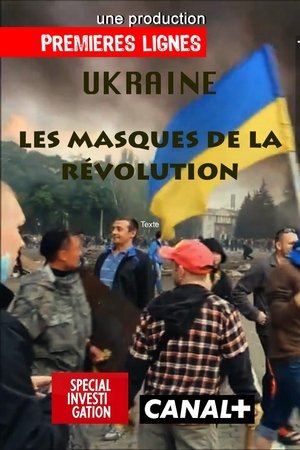


In February 2014, paramilitary groups fought against the police in the streets of Kyev and ousted President Yanukovych. They settled a new government. According to western media, they were the revolution heroes. But they are actually heavily armed extreme-right militias. The Right Sector, Azov or Svoboda created parallel irregular forces that easily go out of control. In Odessa, in May 2014, they were responsible for burning 45 people to death without facing any charges. How come western democracies haven’t raised their voice in protest? Most likely because these Ukrainian nationalist militias actually played a significant role in a much larger scale war. The Ukrainian revolution was strongly supported by the US diplomacy. In the new cold war that opposes Russia to the USA, Ukraine is a decisive pawn. A tactical pawn to contain Putin’s ambitions. “Ukraine, masks of the revolution” by Paul Moreira sheds light on this blind corner.
The three themes of lessons learned from HBO Max's Station Eleven are the same as the pandemic: love, regret, and art.
Vicenza, a Brazilian girl, goes on a quest by herself to find out who her birth father is by gathering clues.
Even with its straightforward premise, “Richard Jewell” is ramped up by exceptional drama. In all honesty, the performances are out of this world. As Jewell, Paul Walter Hauser becomes a walking representation of gullibility. His bumbling antics create the perfect hero, and very quickly, we feel the societal heat that surrounds our protagonists.
Sonic is a pretty generic buddy comedy with a light dusting of eccentricity.
Canvas illustrates the story of a grandfather who, after suffering the loss of his beloved, struggles to reclaim his love for painting.