

‘Kathak: Dancing With Taboos’ Film Festival Review: A Story of Passion and Perseverance
Eloquent and informative, Hajera Sheikh’s documentary Kathak: Dancing With Taboos tells a story of love for one’s culture and perseverance through adversity.
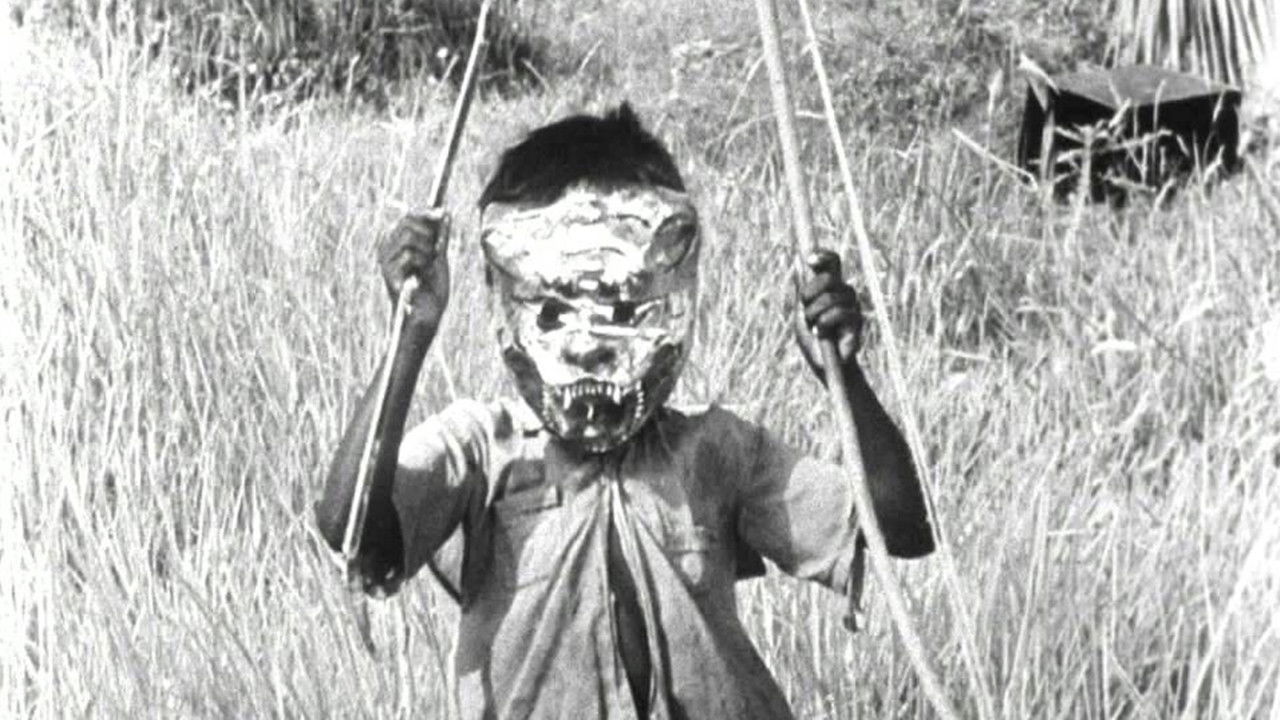
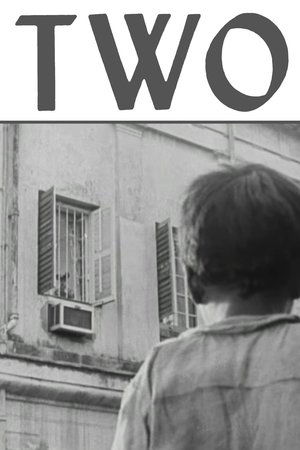


This short film shows an encounter, through a series of games, between a street child from the shantytowns and a child of a rich family, stationed at his window. The film has no dialogue and the action moves through the attempts at one-upmanship evident in their successive display of their toys. Their rivalry (a kite shot down by a toy rifle, for example) concludes with the opposition between the world of noise (the toys inside the house) and that of music (the street child's flute). Preserved by the Academy Film Archive in 2006.
Eloquent and informative, Hajera Sheikh’s documentary Kathak: Dancing With Taboos tells a story of love for one’s culture and perseverance through adversity.
Even if Drive My Car (2021) doesn't win Best Picture, it exudes a palpable sense of dreariness and lifelessness that is further embodied by Yusuke, portrayed tragically by Hidetoshi Nishijima. Check out movie reviews & summary!
Joel Coen has gone solo to create perhaps the greatest version of Shakespeare's 'Macbeth' since Shakespeare himself.
Seven years after George Miller's previous film, 'Mad Max: Fury Road', he dives back into the scene with an equally daring movie. Although not nearly as action-packed, his newest film 'Three Thousand Years Of Longing' challenges the typical format of a film, giving you a well-known plot in an unexpected way.
“Ad Astra” is a film that possesses similar beats to sci-fi classics, falling into the realm of cinematic hypnotism, and pulling us in with its mysteriously intoxicating identity.
The Roses is a wickedly sharp marital warfare comedy that transforms domestic dysfunction into high art. Olivia Colman and Benedict Cumberbatch deliver powerhouse performances as a couple whose fairy-tale romance implodes when his architectural career collapses just as her culinary empire takes off. What makes Jay Roach's remake so devastatingly effective is its refusal to pick sides—both spouses are equally sympathetic and monstrous, wielding Tony McNamara's razor-sharp dialogue like weapons forged from shared intimacies. It's a film that dares you to laugh at relationship wreckage while forcing you to confront the uncomfortable truth that the line between passionate love and mutual destruction is terrifyingly thin.