



Poverty and the Cycle of Violent Youth in 'City of God'
'City of God' depicts the cylindrical cycle of violence that is forced upon the underprivileged.

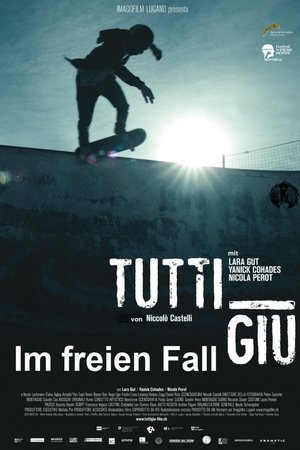
Jullo, Edo, and Chiara: three teenagers among thousands. Three teenagers who live for sport. Jullo is his skateboard, Chiara conquers the world on skis, Edo is a graffiti artist. One day, Jullo, Chiara, and Edo suddenly discover their own lives, each in their own way. Fears, dreams, surprises, loneliness, insecurity, expectations, instability, imbalance. Then a moment, a second, a click. A click that leads them to rediscover themselves, that leads them into adulthood, or that relentlessly sweeps them away.
'City of God' depicts the cylindrical cycle of violence that is forced upon the underprivileged.
The human experience is described through the eyes of a marginalized outsider, neither judgmental nor invested, just an observant donkey.
Holiday hijinks ensue when a recently separated couple are both accidently invited to same holiday celebration.
The film follows the biblical story of Moses, from his time as a prince of Egypt, to a leader for the people of Israel. It’s a film that works brilliantly in animation, and is one that both children and adults can; enjoy despite its religious contexts, it is friendly to general audiences.
We have a long way to go with LGBT representation in film, especially when it comes to LGBT characters of color and trans characters.