





"A man has got to see his face." Horror Noire: A History of Black Horror
This documentary moves chronologically through Black representation in horror films, revealing the genre's connections to Black history.
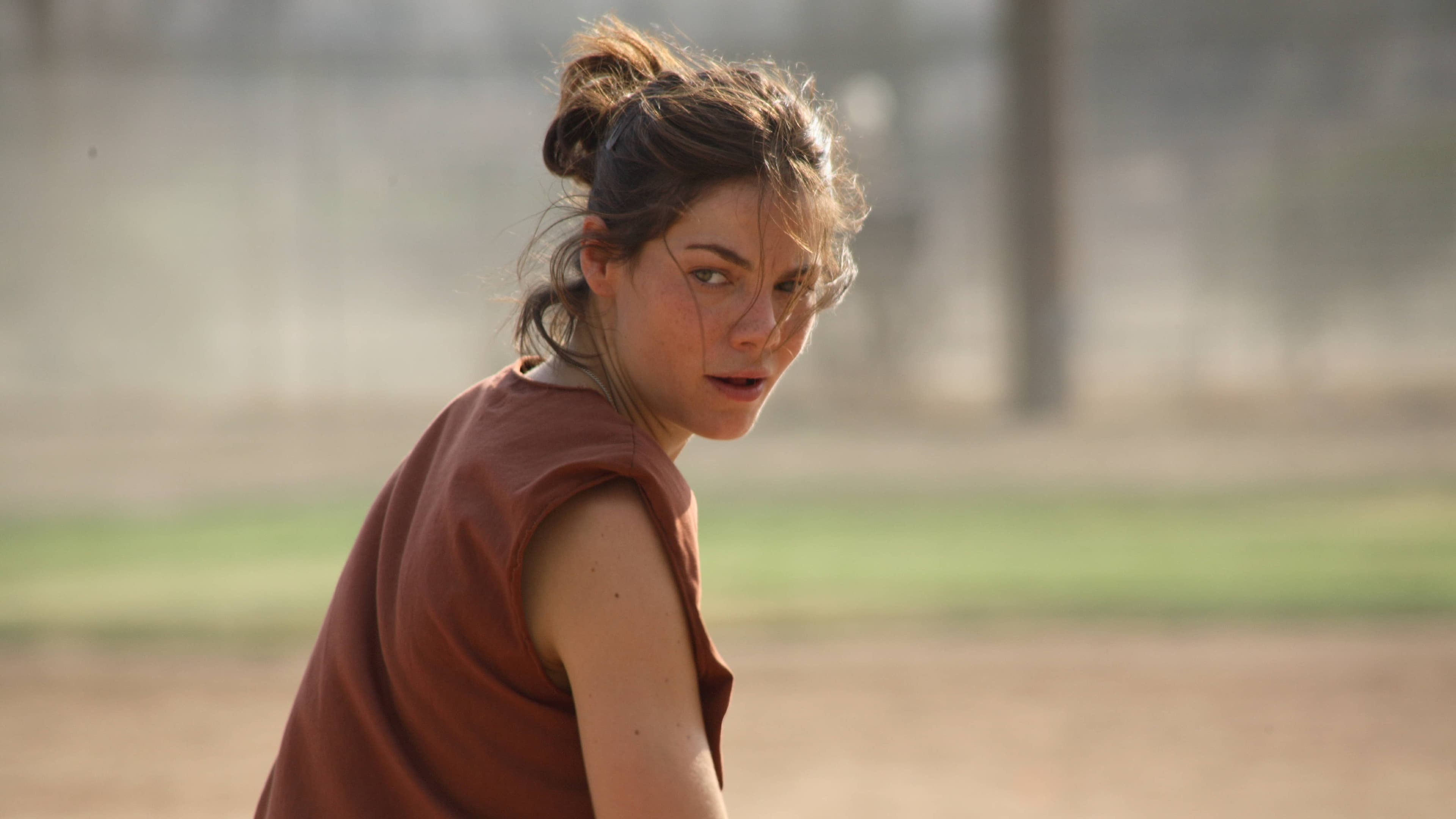
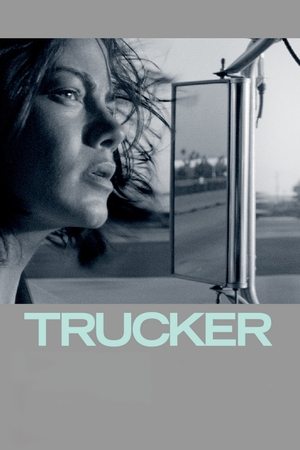


Loner Diane Ford is a truck driver with an 11-year-old son, Peter, whom she never sees, and that's fine with her. But, when Peter's father, Len, falls ill, he asks Diane to take care of their son for a while. Eventually, Diane reluctantly agrees, but she quickly realizes that caring for a child interferes with her independent lifestyle - and Peter isn't all that thrilled with the arrangement, either.
This documentary moves chronologically through Black representation in horror films, revealing the genre's connections to Black history.
'My Big Fat Greek Wedding' is a franchise built on inclusive storytelling.
A surprise sequel takes place ten years after the original movie based on the title of the same name, but with a twist to the fairy tale.
The sequel following The Son of Bigfoot explores Adam's conflict of discovering his true identity as he tries to save a wildlife preserve.
Director and writer, Miles Marti, brilliantly created a film that captures the story of a kid that learns a new reality all within the walls of her classroom. Tears Of Knowing lightly steps into the devastation of loss through a childhood lens, and presents a perspective that is not often acknowledged. Though grief and loss are important aspects, the film also showcases excellent portrayals of trust, innocence, and naivety.
Even with its straightforward premise, “Richard Jewell” is ramped up by exceptional drama. In all honesty, the performances are out of this world. As Jewell, Paul Walter Hauser becomes a walking representation of gullibility. His bumbling antics create the perfect hero, and very quickly, we feel the societal heat that surrounds our protagonists.