The Last of Us is Flipping the Script For Game Adaptations
An apocalyptic tale captivates the nation as it teaches us to love even in the hardest situations.




The fifth chapter of the "Troublesome Night" series, this movie is an anthology of three connected stories. Taxi Driver Cheung runs into bad luck when he encounters strange and mysterious customers during his night shift. That same night, his friend and colleague Fat moves to a new home with his wife and son to hide from loan sharks, and his luck turns when he discovers his new home is haunted by a demon, who promises him sudden wealth. Years later, Fat's son is employed as a security officer at a business firm. There, he encounters paranormal activities during his night shift.
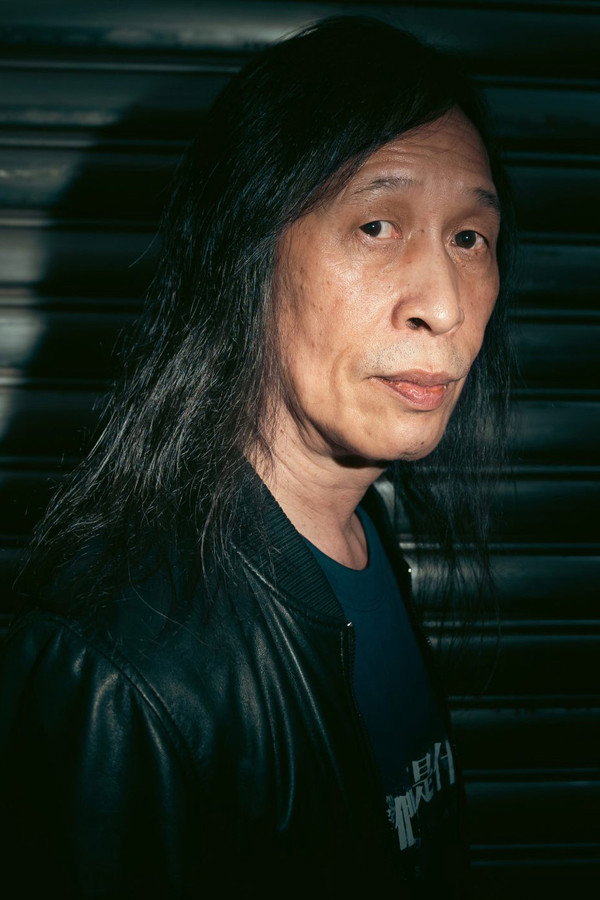
Herman Yau
Director


Louis Koo
Fa / Lam Chung Fat

Simon Lui Yu-Yeung
Crazy Kon / 'Fast Car' Cheung

Helena Law Lan
Old Ghost

Wayne Lai Yiu-Cheung
Dee
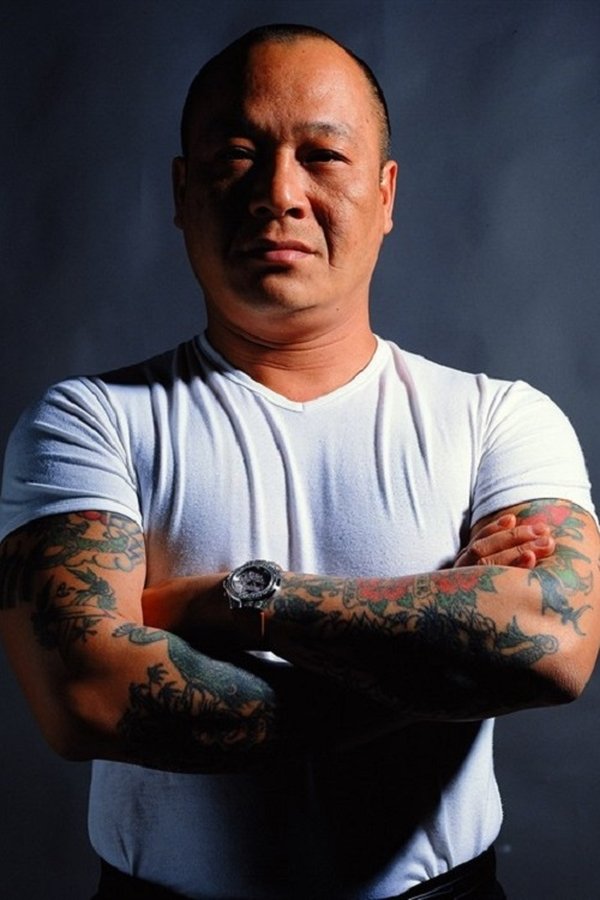
Frankie Ng Chi-Hung
Wah

Chin Ka-Lok
Big B / Brother Bee

Emily Kwan Bo-Wai
One of Kon's Clients

Amanda Lee Wai-Man
Fa's Wife / Lam Chung Fat's Wife

Ben Ng Ngai-Cheung
Ghost

John Tang Yat-Kwan
Grown Little Fa / Lam Chung Fat's Son

Perrie Lai Hoi-San
Big B's Woman / Brother Bee's Girl
An apocalyptic tale captivates the nation as it teaches us to love even in the hardest situations.
To say Hollywood has had a troubled past is the understatement of the century. In Ryan Murphy’s (American Horror Story) new Netflix series, Hollywood, that past is confronted and even rewritten.
Sorry to Bother You ultimately speaks to the unfair advantages that the country’s power structures award to those with the resources to control others, as Lift’s easy access to the media allows his opinion to be the only one that matters in the eyes of the unsuspecting and easily impressed public. Moreover, it reveals the extent to which the American Dream has any true validity. It postulates how the promise of success and fulfillment as promoted by the American Dream more often than not leads to the undoing of the individual. Interestingly, in its revealing of the American Dream as merely a facade, Sorry to Bother You wisely questions whether or not anything can really be done to undo a system that has been accepted and in action for centuries.
Two movies that do a fantastic job in conveying the ongoing struggle for racial justice are Selma (2014) and Just Mercy (2019).
The film centers around two young women, Becca and Sam, who were once high school sweethearts until they reconnect in their town.
In season 2 of “Never Have I Ever," Devi make many mistakes in a messier season that explores the complex lives of its diverse cast more in-depth than before.