


Gus Van Sant's Constant Thematic and Cinematic Elements
The differences in these films could not be more blatant, and yet Gus Van Sant has found a way to portray the same messages and use the same techniques in each.
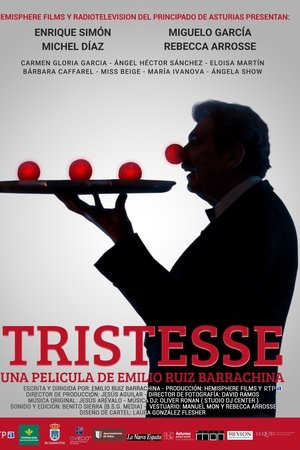


Film director Juan Bravo is in a deep, existential funk: his latest film has been vilified by critics, and his friends, relatives and even business associates are wasting no time in badmouthing him. He seeks refuge in the city of Oviedo, Asturias, wandering the empty streets at night, going to parties that are veritable circuses full of wannabes, and attending concerts and religious and traditional ceremonies as he seeks inspiration for his next film. He reminisces about his childhood but, most importantly, that strange woman who asked him to visit her at her apartment at precisely 10 p.m., not one minute more, nor one minute less.
The differences in these films could not be more blatant, and yet Gus Van Sant has found a way to portray the same messages and use the same techniques in each.
Fire Island is the more inclusive film of the two with the bi-phobic definition of pansexuality in The Thing About Harry and its obvious lack of colour on screen
Of the 28 total films I watched, just six of them were queer or featured queer characters in some way.
I came across Urchin by chance and decided to watch it because of the title. It made me think of the spiky animal that lives at the bottom of the ocean, and the old Dickensian novels, where an urchin was an orphaned, homeless child in shaggy and dirty clothes.
During the third act, the momentum stalls, largely due to the film’s obsession with Kubrick’s visual design. But all in all, Doctor Sleep is a cinematic success, defined by rich characters and high powered emotion.
White audiences saw Peola’s mixed-race passing as a Black woman’s struggle to be white. Black audiences saw it as the rebellion of a Black woman trying to gain privileges only given to white people.