







Fielder's "You Can See Everything" Asks Questions it Doesn't Have Answers For
One thing’s for certain: Holmes has star power. We may not be able to see everything, but we’re certainly all watching.
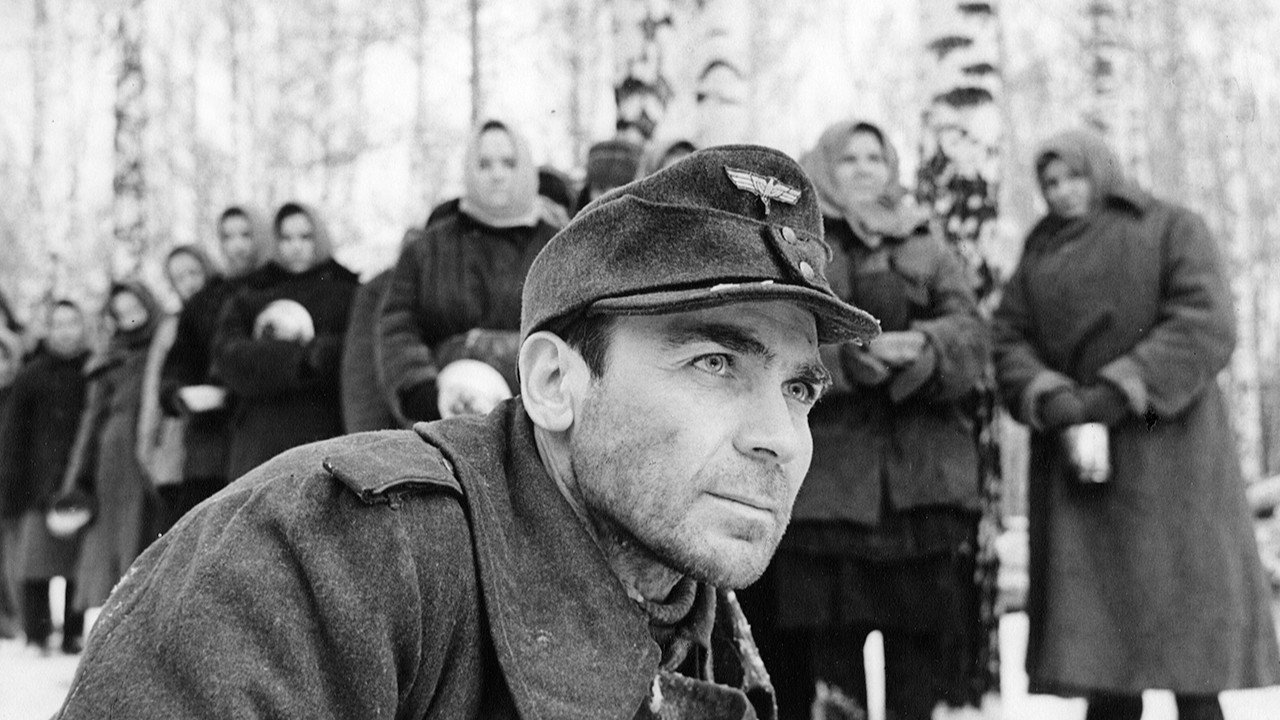



Shot in 1971 but banned until 1986, this distinctly Russian war story takes place in 1942 behind enemy lines. A regiment of partisans captures former Red Army lieutenant Lazarev who is dressed in a German uniform. He’s a Nazi defector and collaborator but now desires to switch back and fight with Russian partisans.
One thing’s for certain: Holmes has star power. We may not be able to see everything, but we’re certainly all watching.
Strangers in a crowd, exchanging glances, looking away, continually managing to run into each other then part ways, end up at the same diner, find they've rented the exact same vehicles, and are then made to travel together to learn once more whether they can both find genuine adoration and companionship again. This really does, in so many words, sum up the foundational gist of of this new feature film from writer Seth Reiss ("The Menu") and director Kogonada ("The Acolyte", "After Yang"). Yet, it's all only the set-up for the REAL wonder of everything that happens before, during, and in the aftermath of a magical, meaningful journey.
KPop Demon Hunters took social media by storm recently—is it truly as good as people have hyped it up to be?
You've heard the phrase “If looks could kill,” but have you heard “If dancing could kill?” Pretty Lethal takes that idea and runs with it.
Do not trust Rotten Tomatoes. That is what I learned after watching Eternals. Critics currently rate it a 48%, but it's an amazing character-focused Marvel movie with positive diverse representation.
A complete ranking of every Godzilla movie, including shared universe films.