









Revisiting 'Rocketman'
Falling in love with 'Rocketman" all over again.
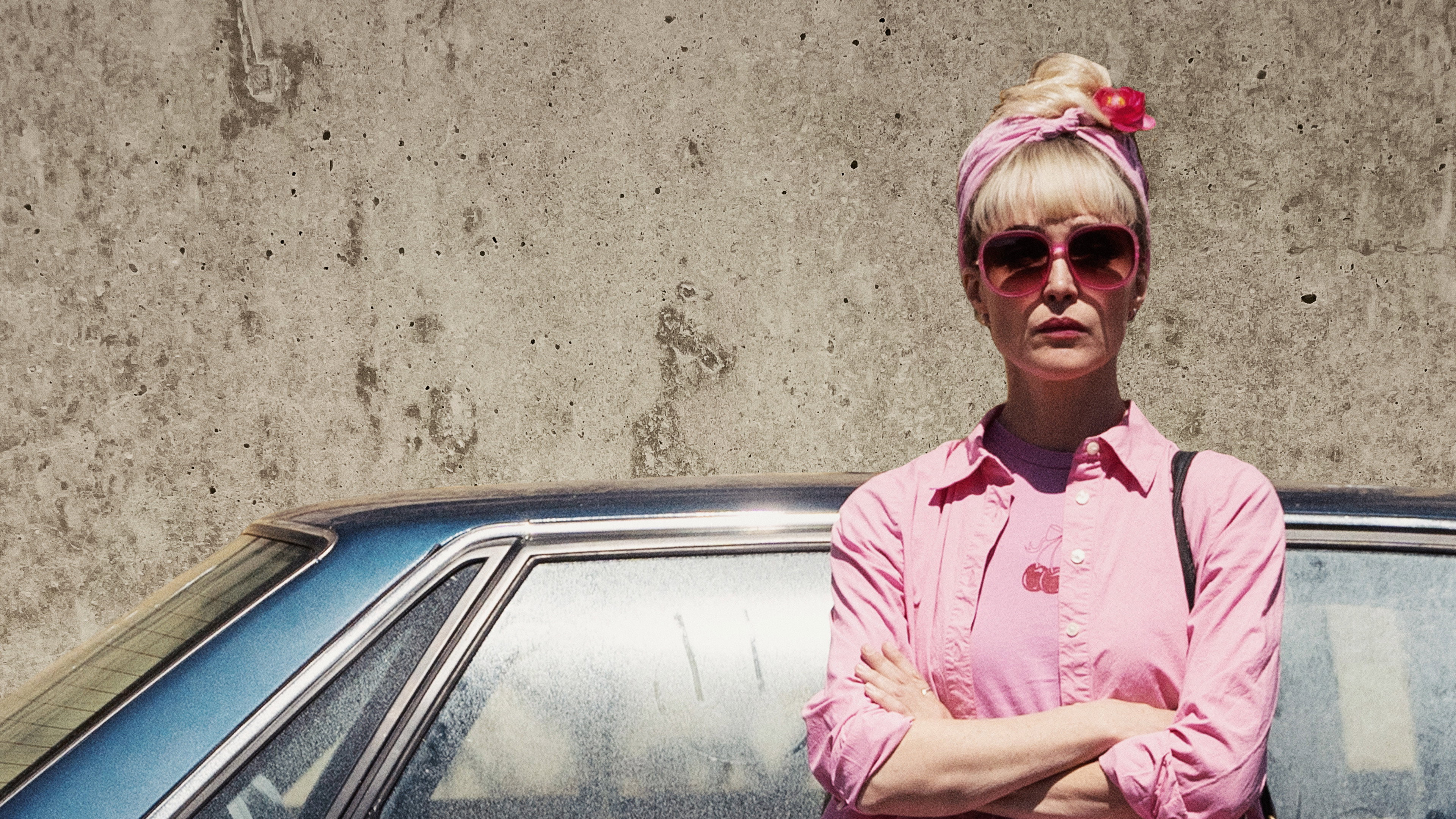
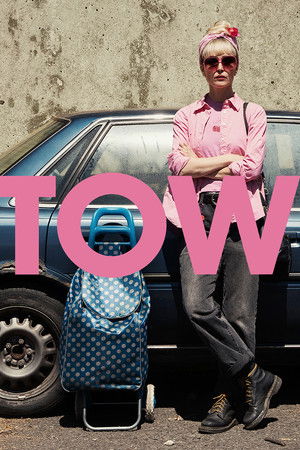


It’s no secret that we live in a grossly unjust society. Every system, from our healthcare to our housing to our legal system, is set up to favor the rich. Not only does the system prevent upward mobility, but it makes it incredibly easy to slide from comfortably middle class to unhoused. Tow follows the life of Amanda Ogle, a woman who lost her job due to her alcoholism and ended up living in her car. After her car gets stolen, she’s faced with thousands of dollars in fees to get it back.
Amanda was already balancing too much—trying to find a job, keeping in touch with her teenage daughter in Utah, and getting to shelters in time to sleep at night—but not having a car sends her over the edge. She is determined to seek legal action against the tow company and get the car back for free, as she deserves. Thus begins her months-long saga to get back her ‘91 Toyota Camry.
Tow takes place in Seattle, a city with a very real homelessness crisis. In King County, where Seattle is located, more than 16,000 individuals could be found sleeping on the streets in a single night in 2024. Nobody wants to be sleeping on the street, but our government has made the choice to criminalize it. In an early scene of the film, Amanda gets woken by a traffic citation guard who demands she leave her car or be arrested, forcing her to drive away and find somewhere else to spend the night. The difficulties of being unhoused are compounded by the hours spent in lines looking for safe places to sleep.
In many ways, the story doesn’t make sense, but that’s what makes it so powerful. The real life Amanda Ogle, and the one portrayed by Rose Byrne, is proud. She is fighting for her car because she is rightfully owed it, and it’s a matter of principle. Sure, the pro-bono lawyer probably could have bought Amanda a new car for the amount of hours he spent on her case, but by holding strong Amanda made a statement against the predatory tow company that wanted to hurt her for the sake of it, even if she still didn’t get the financial justice she deserves.
I went on a Rose Byrne binge after seeing her in the TV show Platonic, and fell in love with how easily she can portray both the silliest character on Bridesmaids and the most heartbreaking in If I Had Legs, I’d Kick You. Tow is certainly tonally closer to the latter. It’s a painful story about addiction, healing, and identity, but Byrne brings a sense of gravitas and confidence to the role. Amanda Ogle dyed her hair blonde and wore pink, presenting as a sort of Elle Woods meets Rosie the Riveter to protect herself from the world. It’s a fascinating character to watch and she never seems tragic despite the tragedy of her circumstances.
There is some hope in the film as well. Amanda finds safety in a women’s shelter run by Barbara (Octavia Butler) and makes friends with some of the other residents. They help her to find acceptance and start confronting the parts of herself she keeps repressed. It’s another reminder of how important having stable housing and a support system can be to getting through life.
Tow is one of my favorite movies I’ve watched so far this year. It was realistic, heartwrenching, and provided much needed awareness for the way our current system exacerbates the plight of Amanda Ogle and the thousands of others like her.

Amanda Ogle is a woman living in her aging Toyota Camry on the streets of Seattle. When her car is stolen and impounded, she’s thrust into a relentless legal battle against an indifferent system. What begins as a fight to reclaim her car evolves into a deeply human story of resilience, dignity, and the power of one woman’s voice in the face of systemic failure.
Falling in love with 'Rocketman" all over again.
This thrilling film about feminine rage and male hostility is an incredible depiction of the fragility of the male ego.
A film about family and sacrifice... and carnivorous locusts coming after you.
Tara Thorne’s film is equal parts emotional and comedic, illustrating the beauty and the pain of long term relationships.
Have a Good Trip offers a rather balanced look at psychedelic use. While its main narrative is the stories of recreational use by celebrities, it does delve into the medical history of psychedelics and its use in psychotherapy.
A review of the Ryan Polomski documentary featuring the story of Basketball star Raymond Lewis.