










‘Kathak: Dancing With Taboos’ Film Festival Review: A Story of Passion and Perseverance
Eloquent and informative, Hajera Sheikh’s documentary Kathak: Dancing With Taboos tells a story of love for one’s culture and perseverance through adversity.
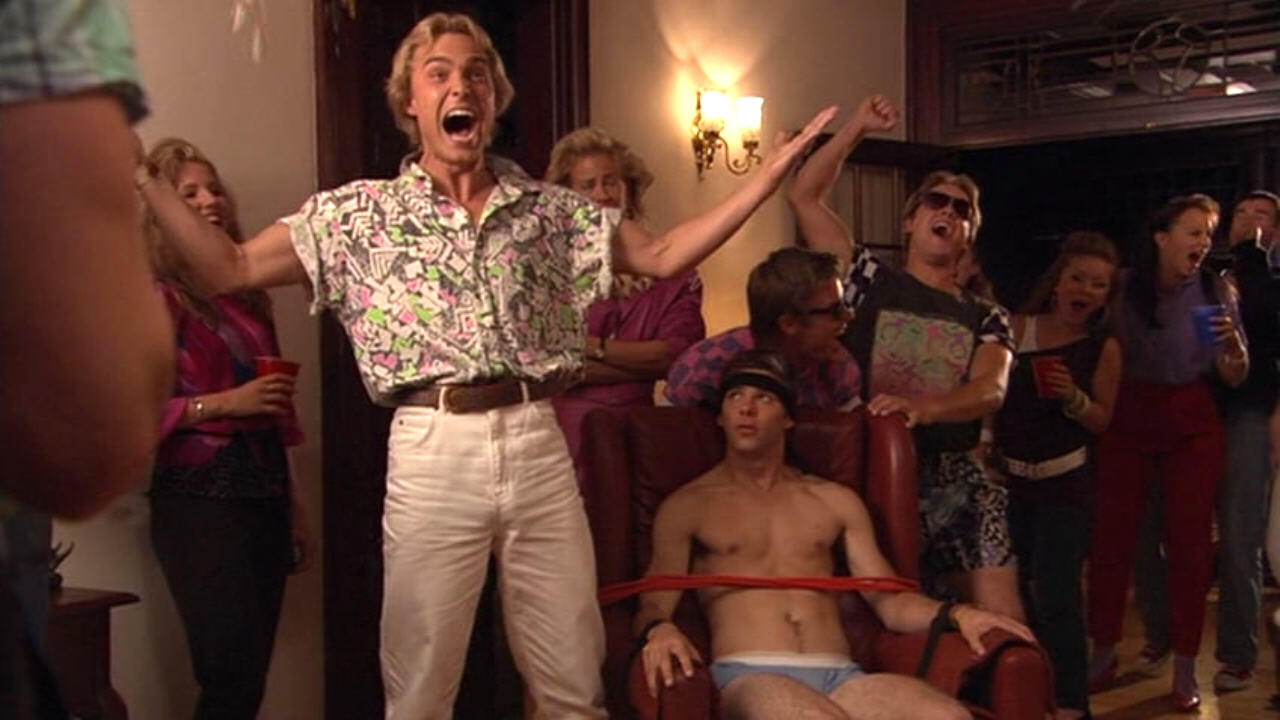
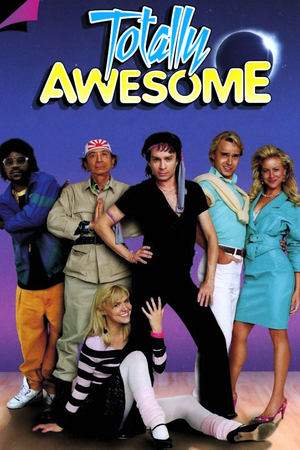


Do you prefer to wax on or wax off? Preacher won't let you dance? Well then, put Baby in the corner and come on down, 'cause VH1 is bringing back more of the '80s you love in this feature-length film, Totally Awesome. The Gundersons have just moved across the country and the kids - Charlie, Lori, and Max - are trying their best to acclimate themselves into a new school and all kinds of dilemmas therein: the need to dance, the pitfalls of young love, the quest for popularity, scientific genius and of course the quirky but loveable Japanese gardener. Totally Awesome takes all your favorite '80s-flick mainstays and weaves them into the biggest and baddest plotline ever conceived. Tot say it is radical would be an understatement.
Eloquent and informative, Hajera Sheikh’s documentary Kathak: Dancing With Taboos tells a story of love for one’s culture and perseverance through adversity.
Disney+ recently released six short films entitled the “Launchpad” collection in which diverse directors tell diverse stories. These shorts are exactly the kind of films we here at Incluvie want to see more of. These are stories of intersectionality, inclusion, and diversity. And every short stars a cluvie!
Wild Child tells the story of a wealthy, spoiled teenage girl named Poppy Moore who lives in Malibu, California, who attends a boarding school in England. This film shows us how Poppy is first labeled as a fish out of water compared to her boarding school classmates, as she is a wild child, but eventually earns her roommates' friendships and respect.
If you were to watch it on streaming when you have nothing to do, it’s still probably a giant waste of time, but you could do far worse. Paying $18 for a movie ticket and who knows how much for concessions turns this from an exercise in boredom to an exercise in frustration.
Throughout Brendan Fraser’s career, he has played a plethora of unique, layered characters who explore the importance of not being afraid to display your emotions, something that is often seen to not be a masculine trait. This idea of regulating emotion and what traits men are able to possess creates a toxic atmosphere for men who are often told they should not cry or represent their emotions in any physical way. These characters represent that men can be joyful, emotionally conscious, and sensitive, while also representing their masculine identity instead of painting those qualities as fighting against their masculinity.