



Incluvie – Better diversity in movies.
Identity in film with Incluvie stamps, scores, reviews.

Incluvie – Better diversity in movies.
Explore identity in film with Incluvie stamps, scores, reviews, and insights.

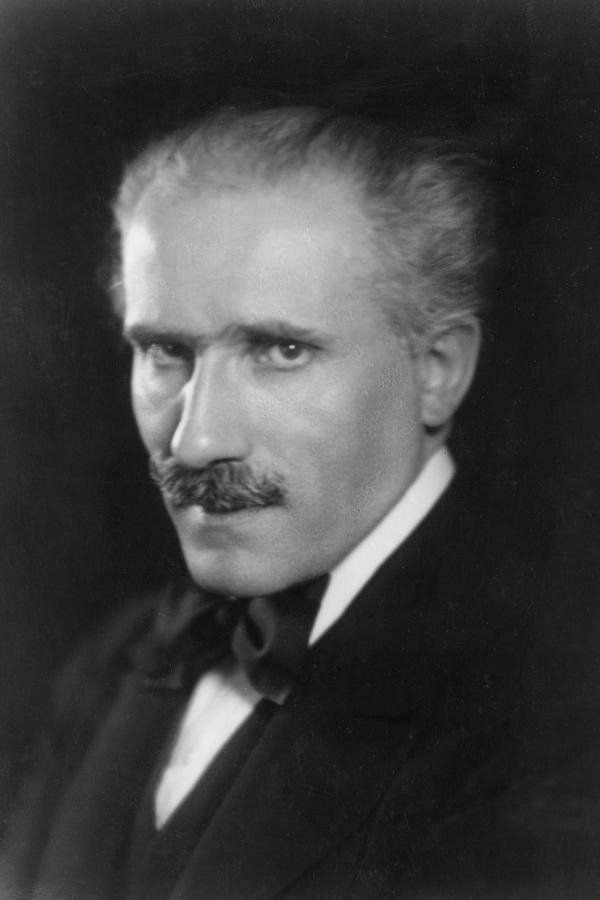
Toscanini: The Television Concerts, Vol. 2: Beethoven Symphony No. 9 poster

Toscanini: The Television Concerts, Vol. 2: Beethoven Symphony No. 9 (1948)

The historic Toscanini television concerts with the NBC Symphony Orchestra. Broadcast #1 was of a concert on April 3, 1948, at NBC Studio 8H, featuring Beethoven's Symphony No. 9 ("Choral"). (Concerts #1 and #2 were released on "Vol. 1" in the DVD series.)
- / 5
PopScore
Representation

Pictures and Videos


Incluvie Gala

Movie Information


The historic Toscanini television concerts with the NBC Symphony Orchestra. Broadcast #1 was of a concert on April 3, 1948, at NBC Studio 8H, featuring Beethoven's Symphony No. 9 ("Choral"). (Concerts #1 and #2 were released on "Vol. 1" in the DVD series.)

Rating:
Genre:Music
Directed By:Hal Keith
Written By:
In Theaters:4/3/1948
Box Office:

Runtime:68 minutes
Studio:NBC

Articles You May Like


'The Half of it' Handles its Presented Social Issues Thoughtfully

The social issues The Half of it takes on are handled well, between the antagonization brought on to Ellie for her race and the conflict that arises from her being gay. Both aspects of her character are built up over the course of the film and don’t seem abrupt or rushed. The film shows racism towards Ellie and her and father in varying levels, from having her schoolmates specifically address her as "Chinese girl” to the fore mentioned way her Dad is treated due to language barriers. The same can be said about Ellie being a lesbian. While she never truly “comes out” in the narrative, that does not undermine her journey of self-discovery from being meaningful. These ideas aren’t thrust upon the viewer in a preachy manor, the scenarios that occur feel believable given the rural setting. The film presents watchers with problems whom those like Ellie may face, and leaves us to sit with them and reflect.

Andrea Amoroso