

'Ralph Breaks the Internet' in the World Wide Web
Ralph and Vanellope unpack lots of surprises for those who love going on the Internet.
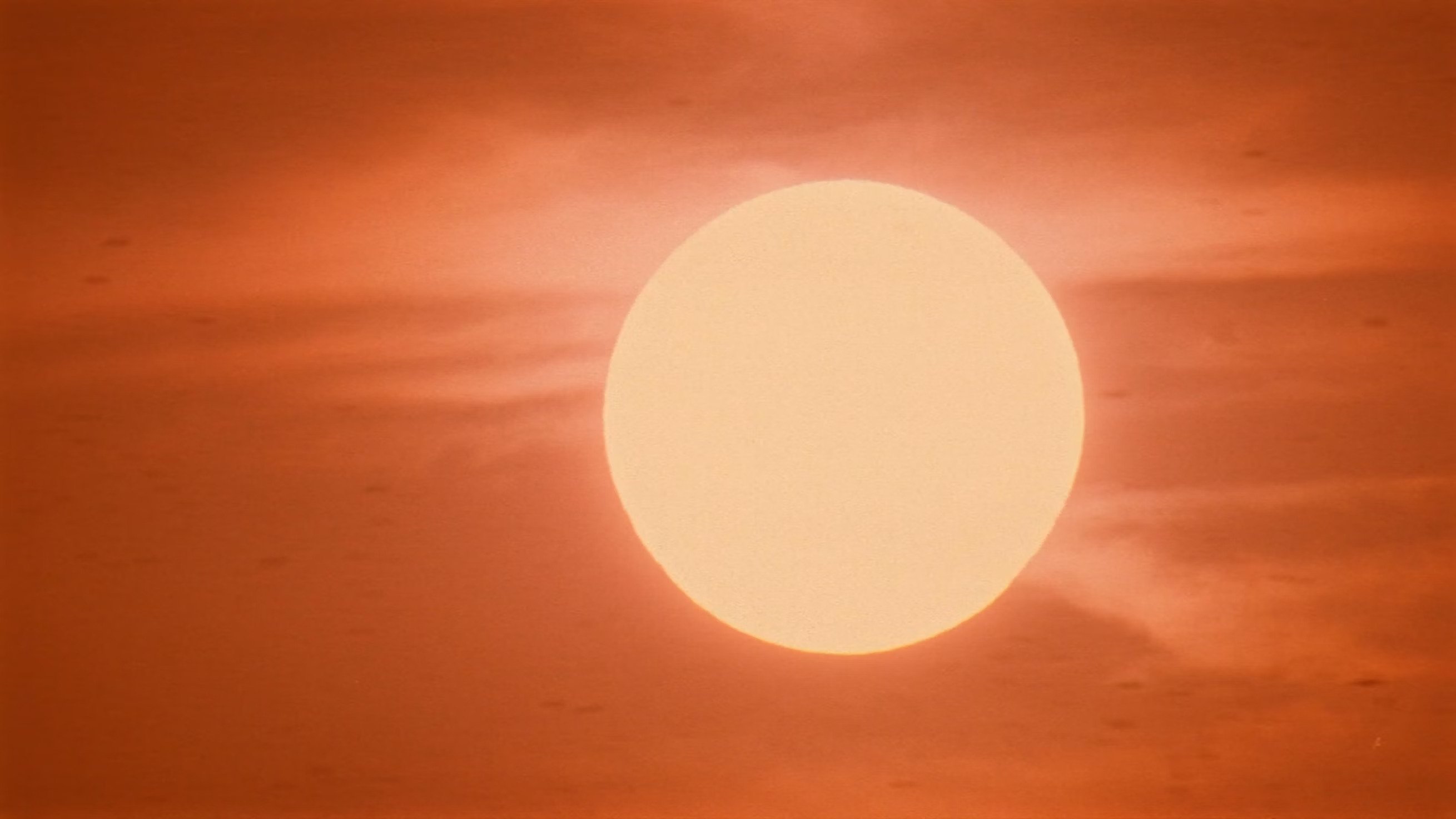
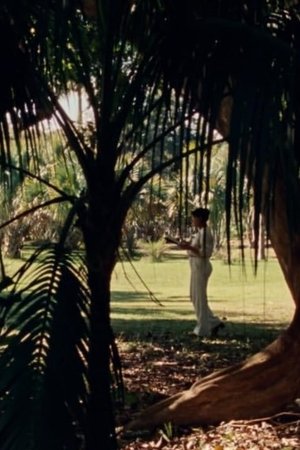


Too Bright to See (Part I) weaves archival materials with cinematic narrative scenes filmed with an unconventional and modern cast. Drawing inspiration from Caribbean aesthetics and Surrealist artwork, this film installation brings attention to new aspects of Roussi-Césaire’s legacy that are undocumented in the public arena, while addressing the broader question of the continued erasure of women from historical accounts. Hunt-Ehrlich’s experimental narrative artwork draws on her extensive research on the legacy of Suzanne Roussi-Césaire, a writer and anticolonial and feminist activist from Martinique who, along with her husband, Aimé Césaire, was at the forefront of the Négritude movement during the first half of the 20th century.
Ralph and Vanellope unpack lots of surprises for those who love going on the Internet.
'Pariah' tells a powerful, mesmerizing, and unflinchingly honest story of identity.
It's good for your film viewing needs, but isn’t going to shake your world. Demonic is trippy sci-fi fun, and that’s about it. And that's pretty cool.
In Spike Lee’s She’s Gotta Have It (1986), we follow the love life of powerful female protagonist Nola Darling (Tracy Camilla Johns) and explore the relationship dynamics she has with her partners. She sees three men simultaneously: Greer Childs, (John Canada Terrell) Mars Blackmon (Spike Lee), and Jamie Overstreet (Tommy Redmond Hicks). Though an 80’s film, She’s Gotta Have It is surprisingly progressive with its themes of female sexuality, although at some points in the film it is handled clumsily. Overall Nola is an incredibly compelling character especially for modern women, as we as a society acknowledge female sensuality more and more without the negative stigma.
This analysis covers Paw Patrol: the Movie, including character analysis, themes covered in the movie, and things that could've made this movie better.