'Chip 'N Dale: Rescue Rangers' Makes a Comeback
Viewers get a glimpse of life of mediocrity in a world where humans and cartoon characters live together in this comeback.
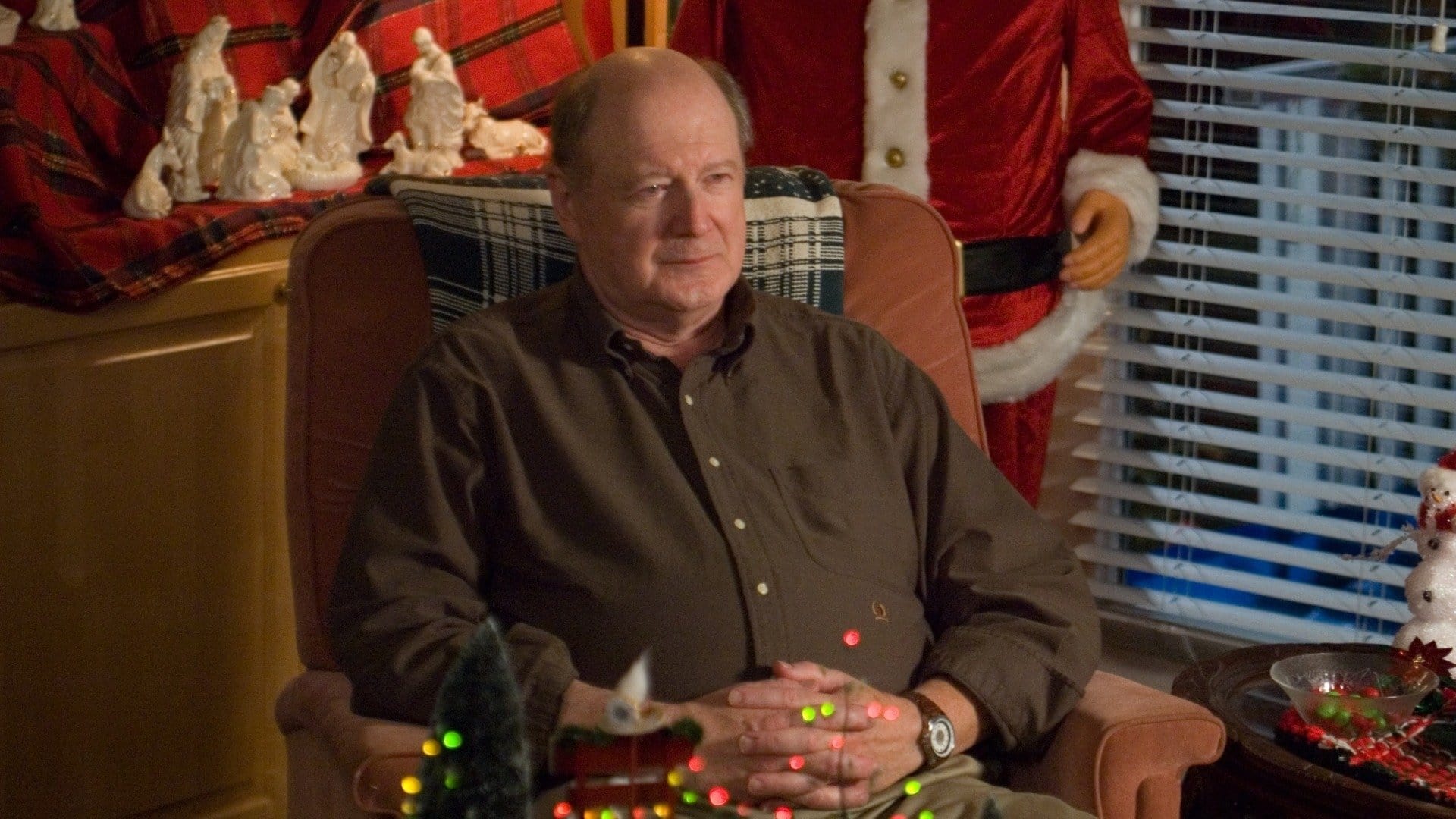



"Together Again for the First Time" tells the story of a blended family reuniting on Christmas Eve. It's the first time they've all been in the same house at the same time since the parent's marriage seven years before--which wouldn't be a problem if they all liked each other. But they don't. And matters only get worse with the unexpected arrival of an ex-boyfriend, an unannounced live television broadcast, and the outing of well-kept family secrets. This is a comic, touching movie about what it means to be a family--even when you don't like each other very much

Jeff Parkin
Director

Julia Duffy
Audrey Wolders Frobisher

Larisa Oleynik
Brenda
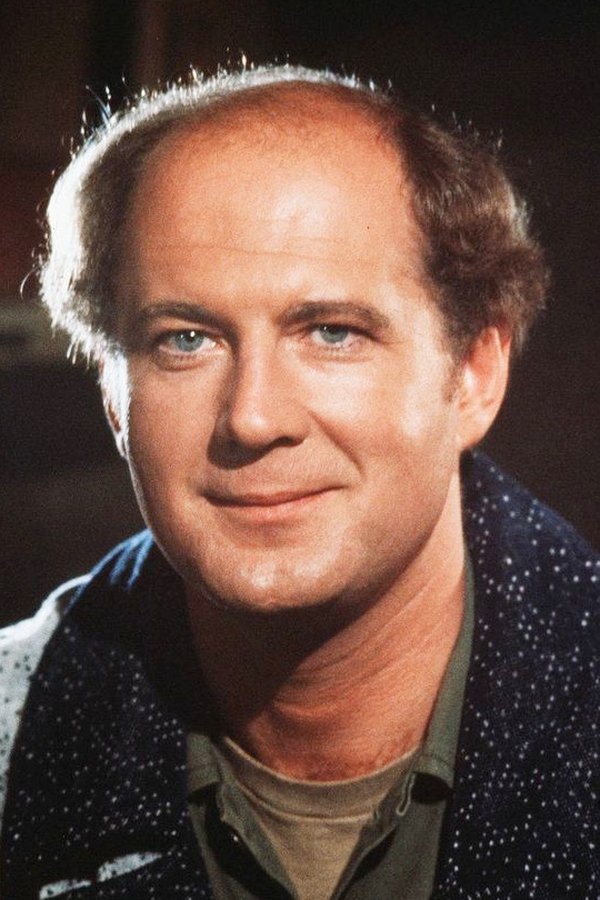
David Ogden Stiers
Max Frobisher

Joey Lawrence
Carey Krzyznyk

Kirby Heyborne
Roger Wolders

Blake Bashoff
Jason Wolders

Kelly Stables
Sandra Frobisher

Lauren Storm
Chinelle Frobisher

Michelle Page
Kaye Frobisher
Reed McColm
Thomas Goodbid
Timothy Lineback
Belson
Viewers get a glimpse of life of mediocrity in a world where humans and cartoon characters live together in this comeback.
A dynamic journey of self-acceptance and identity.
This thrilling film about feminine rage and male hostility is an incredible depiction of the fragility of the male ego.
True crime media is notoriously obsessed with the “missing white woman” trope, and yet the vast majority of American murder victims are male, and well over half are people of color.