



Incluvie – Better diversity in movies.
Identity in film with Incluvie stamps, scores, reviews.

Incluvie – Better diversity in movies.
Explore identity in film with Incluvie stamps, scores, reviews, and insights.

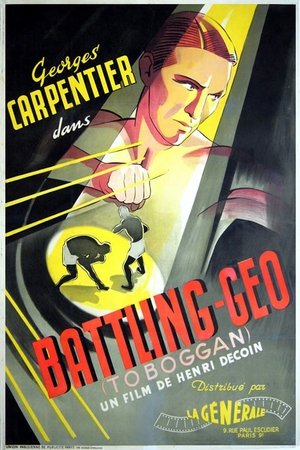
Toboggan poster

Toboggan 

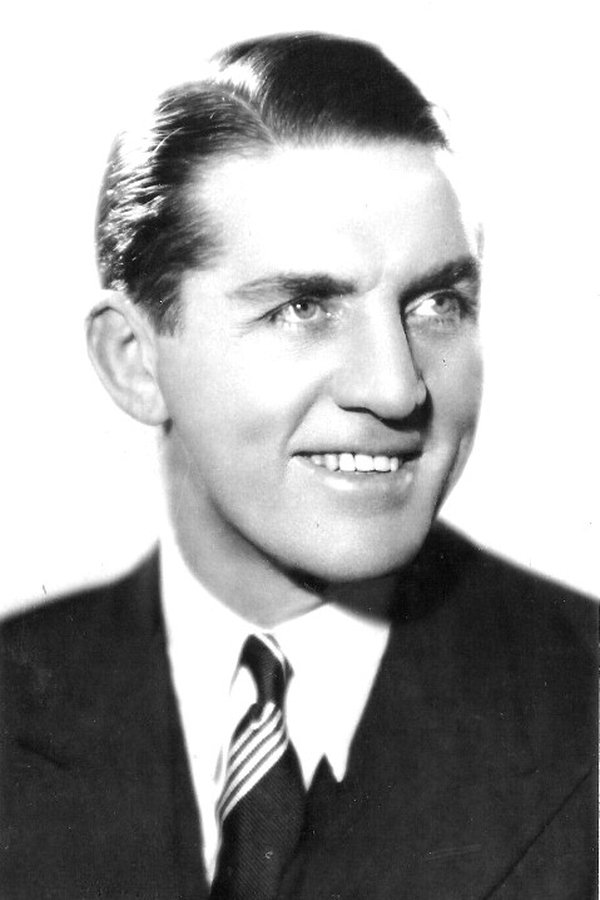
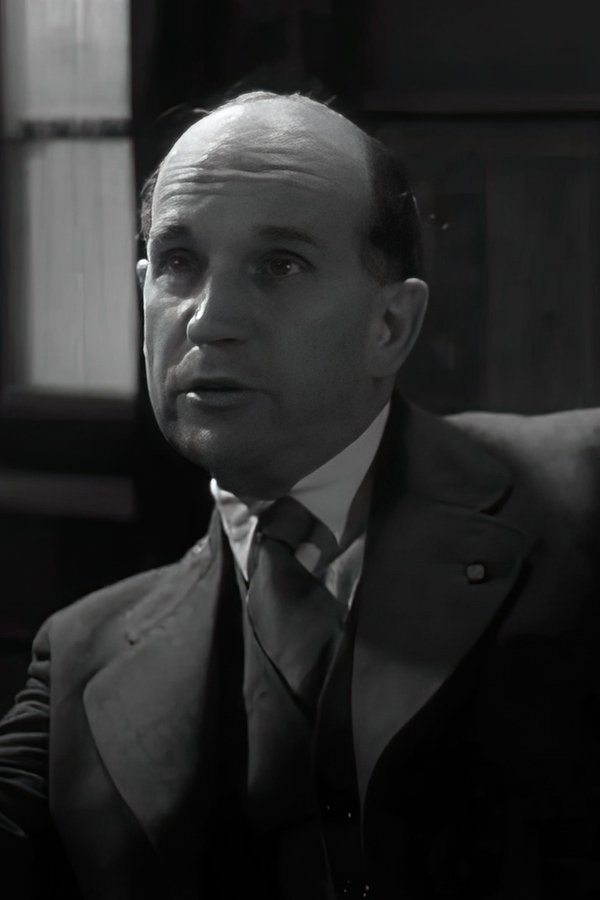
Toboggan, the 1934 Henri Decoin French boxing sports romantic love triangle melodrama (about a washed up boxer who makes a comeback for a sexy dancer, but she is two-timing him, and she brings her boyfriend into the arena during the climactic boxing match) starring Georges Carpentier (real life heavyweight boxing champion), Arlette Marchal, Paul Amiot, John Anderson, and Raymond Cordy. Note that because Carpentier was a real life boxer, he naturally was able to do his own boxing scenes, and the producer of the movie interwove footage of Carpentier from his actual matches into the film.
- / 5
PopScore
Representation

Pictures and Videos


Incluvie Gala

Movie Information


Toboggan, the 1934 Henri Decoin French boxing sports romantic love triangle melodrama (about a washed up boxer who makes a comeback for a sexy dancer, but she is two-timing him, and she brings her boyfriend into the arena during the climactic boxing match) starring Georges Carpentier (real life heavyweight boxing champion), Arlette Marchal, Paul Amiot, John Anderson, and Raymond Cordy. Note that because Carpentier was a real life boxer, he naturally was able to do his own boxing scenes, and the producer of the movie interwove footage of Carpentier from his actual matches into the film.

Rating:
Genre:Drama
Directed By:Henri Decoin
Written By:Henri Decoin
In Theaters:
Box Office:

Runtime:93 minutes
Studio:G.M.L.

Articles You May Like


'Jack and Diane' Review: Wasted Potential

The plot could’ve really been interesting if the elements of lycanthropy was integrated with perhaps the struggle of identity of being LGBTQ+. It's an experience for so many that as they’re starting to realizing their true selves, they feel like a monster, especially if they come from unsupportive homes or communities. Instead, the horror and transformation elements seem thrown in without contemplation of how this could deepen the narrative.

Andrea Amoroso