










Incluvie – Better diversity in movies.
Identity in film with Incluvie stamps, scores, reviews.

Incluvie – Better diversity in movies.
Explore identity in film with Incluvie stamps, scores, reviews, and insights.

trailer banner
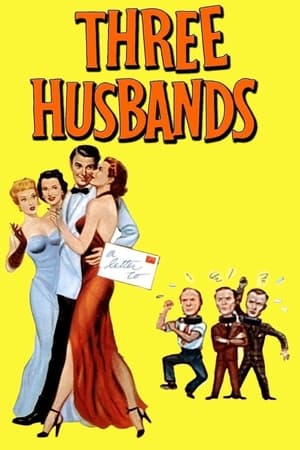
Three Husbands poster

Three Husbands (1951)

When a recently deceased playboy gets to heaven and is granted one wish--granted to all newcomers--he requests that he be able to see the reactions of three husbands, with whom he regularly played poker, to a letter he left each of them claiming to have had an affair with each's wife.
- / 5
PopScore
Representation

Pictures and Videos


Incluvie Gala

Movie Information


When a recently deceased playboy gets to heaven and is granted one wish--granted to all newcomers--he requests that he be able to see the reactions of three husbands, with whom he regularly played poker, to a letter he left each of them claiming to have had an affair with each's wife.

Rating:NR
Genre:Comedy, Romance
Directed By:Irving Reis
Written By:Vera Caspary, Edward Eliscu
In Theaters:3/8/1951
Box Office:

Runtime:78 minutes
Studio:Gloria Productions Inc., Gloria Film, United Artists

Articles You May Like


The Rise of a Kindhearted Comedy Hero: The Anti-Toxic Masculinity Message of Brendan Fraser Films

Throughout Brendan Fraser’s career, he has played a plethora of unique, layered characters who explore the importance of not being afraid to display your emotions, something that is often seen to not be a masculine trait. This idea of regulating emotion and what traits men are able to possess creates a toxic atmosphere for men who are often told they should not cry or represent their emotions in any physical way. These characters represent that men can be joyful, emotionally conscious, and sensitive, while also representing their masculine identity instead of painting those qualities as fighting against their masculinity.

Amanda Mazzillo

"Him" - All Flash, No Game

Him is visually stunning—all concrete cathedrals and bone-rattling impact shots that look like a nightmare highlight reel. Marlon Wayans is magnetic as this legendary quarterback who's basically selling salvation with a smile that never quite reaches his eyes. But the story keeps running in circles: more tests, more cryptic pep talks, more ritualistic drills. The sports-as-religion metaphor beats you over the head when subtlety would've been more effective. The middle drags, and that finale chooses spectacle over substance. It's undeniably stylish, but left me cold. Also worth noting: despite the Monkeypaw connection, this isn't actually a Jordan Peele film—he didn't write or direct.

Nilufer Ozmekik