


Racism in A Second Chance: Rivals!
The sequel to the first film, A Second Chance: Rivals! talks about Maddy combating cyberbullying and racism.

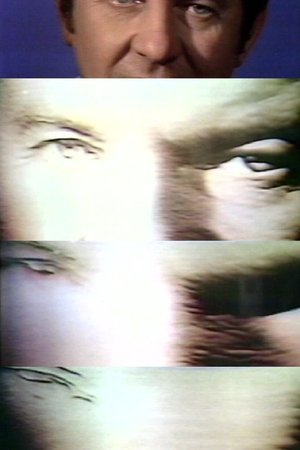
Commissioned by BBC TV as the unannounced opening piece for their Arena video art programme, March 1976. Programme produced by Mark Kidel, conceived by Anna Ridley and presented by David Hall. 'Richard Baker [the well known newsreader] describes the essential paradoxes of the real and imagined functions of the TV set on which he appears. The second shot is taken optically off a monitor, the third copied from the second, and so on, until there is a complete degeneration of both sound and image, removing the newsreader from his position of authority...' - Tamara Krikorian, Art Monthly, February 1984.
The sequel to the first film, A Second Chance: Rivals! talks about Maddy combating cyberbullying and racism.
For anyone who is not a cis white woman, a justice-fueled murderous rampage is not framed as liberation. Instead, they contribute to harsh stereotypes that vilify minority women with dangerous consequences.
Ricky Staub’s Concrete Cowboy, based on Greg Neri’s novel "Ghetto Cowboy", tells the story of a young teenager forced to adapt to a new lifestyle.
I came across Urchin by chance and decided to watch it because of the title. It made me think of the spiky animal that lives at the bottom of the ocean, and the old Dickensian novels, where an urchin was an orphaned, homeless child in shaggy and dirty clothes.
How closely does an actor need to resemble a character or historical figure in order to portray them on the Silver Screen? Seems to depend on color.
"Clifford the Big Red Dog" retells the adventures of Emily and her striking puppy to highlight the joy of being different and inspire another wave of young fans.