
'Never Have I Ever' Season 2 Gets Messier, and It's Great
In season 2 of “Never Have I Ever," Devi make many mistakes in a messier season that explores the complex lives of its diverse cast more in-depth than before.
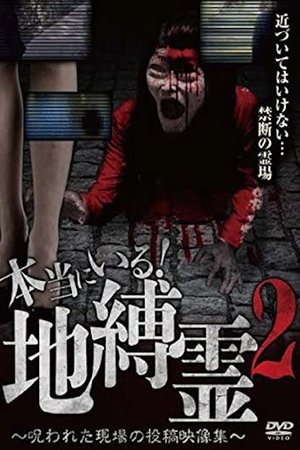


A photographer sneaks into a public restroom in Shinryokuchi Park, which used to be an execution ground, alone late at night.
In season 2 of “Never Have I Ever," Devi make many mistakes in a messier season that explores the complex lives of its diverse cast more in-depth than before.
Greta Garbo, a queer actress playing a real-life queer Queen is the best of both worlds.
Even if Drive My Car (2021) doesn't win Best Picture, it exudes a palpable sense of dreariness and lifelessness that is further embodied by Yusuke, portrayed tragically by Hidetoshi Nishijima. Check out movie reviews & summary!
'The Lost Daughter' doesn't paint over the choices Leda and Nina make as mothers as right or wrong but examines the messy in-between.
Summit Station, the longest running lesbian bar in Ohio, was one of the places that made lesbian community possible.
The one-way journey went to the desert that refused to offer an answer or a transcendence.