







“Fleabag” is Ridden With Exceptional Writing and Great Performances
Shortly after season two of Fleabag dropped on Amazon Prime in 2019, Barack Obama put it on his list as one of his favorite television series of the year.
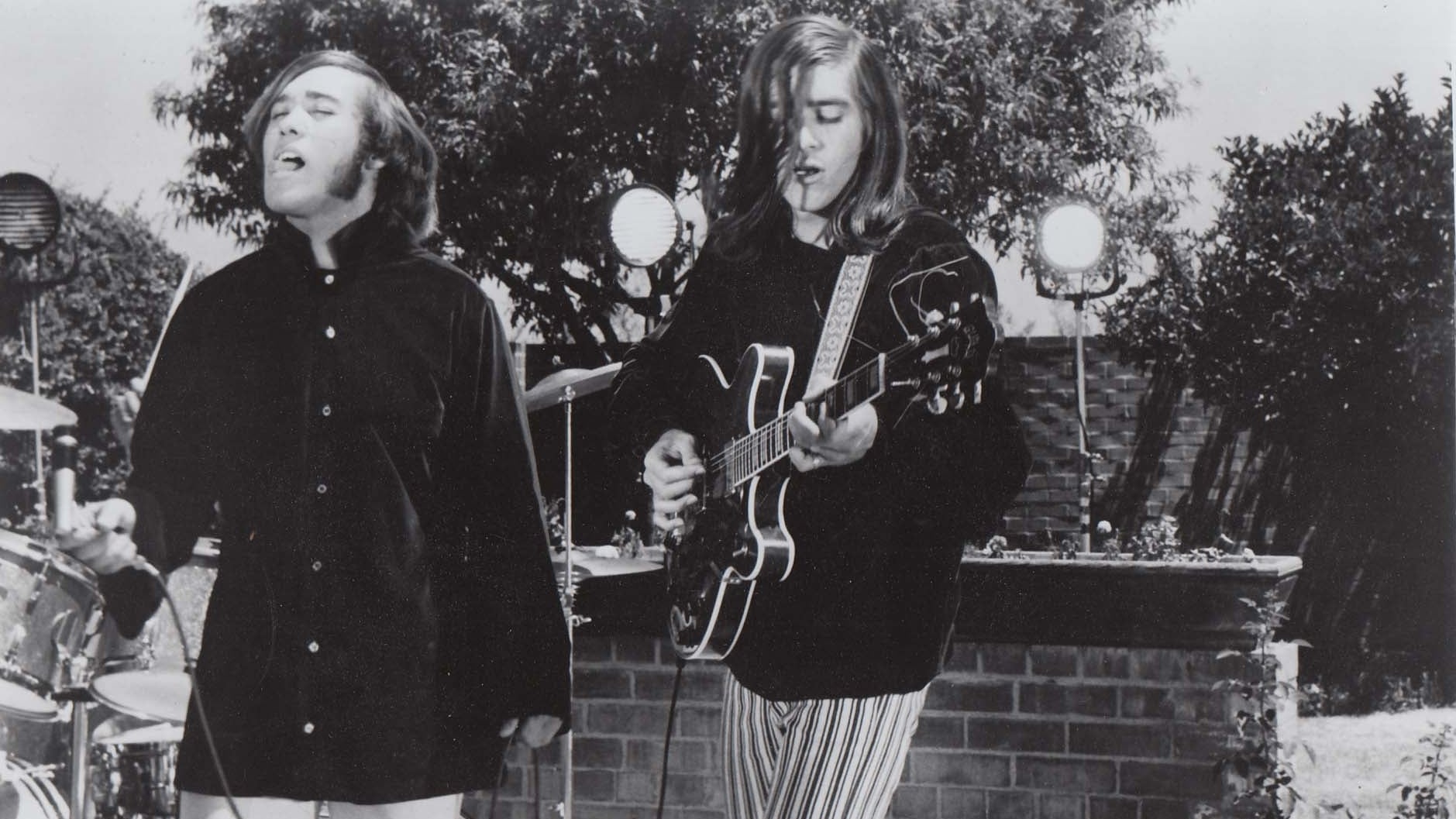
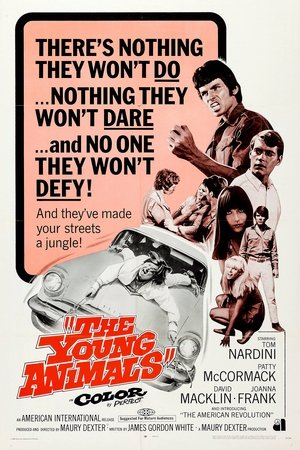


A small Arizona town is plagued by violence created from the tension between Anglo and Mexican-American youths. Tony is the idealistic new kid in school who tries to alleviate long-time tensions between the rival factions. The Mexican gang is led by Paco, a hot-tempered youth with good reason to resent some of his Caucasian counterparts due to past prejudices. Bruce is the leader of the white gang. Patty McCormack and Joanna Frank are the female interests who become victims of the gang struggles. Tony, formerly from San Diego, attempts to change the attitudes of the polarized and violent groups.
Shortly after season two of Fleabag dropped on Amazon Prime in 2019, Barack Obama put it on his list as one of his favorite television series of the year.
Two young girls meet in the same neighborhood unexpectedly as they embark on a new adventure using their imaginations as this movie brings strong representation among women.
There is a lot of controversy around Q-force. It’s certainly not hard to see why—the series is quite hyperbolic. I will say, that was the first aspect I noticed on my initial watch. Right from the get-go Q-Force barrages you with gay joke after gay joke. This is hit or miss throughout the series.
Sorry to Bother You ultimately speaks to the unfair advantages that the country’s power structures award to those with the resources to control others, as Lift’s easy access to the media allows his opinion to be the only one that matters in the eyes of the unsuspecting and easily impressed public. Moreover, it reveals the extent to which the American Dream has any true validity. It postulates how the promise of success and fulfillment as promoted by the American Dream more often than not leads to the undoing of the individual. Interestingly, in its revealing of the American Dream as merely a facade, Sorry to Bother You wisely questions whether or not anything can really be done to undo a system that has been accepted and in action for centuries.
"Beef" is a new dark comedy with a near entire Asian-American cast
Mulan had to struggle to feel like herself and see herself properly. Some of us have to strive to have our reflection mimic what’s inside. We have to crawl. We have to fight.