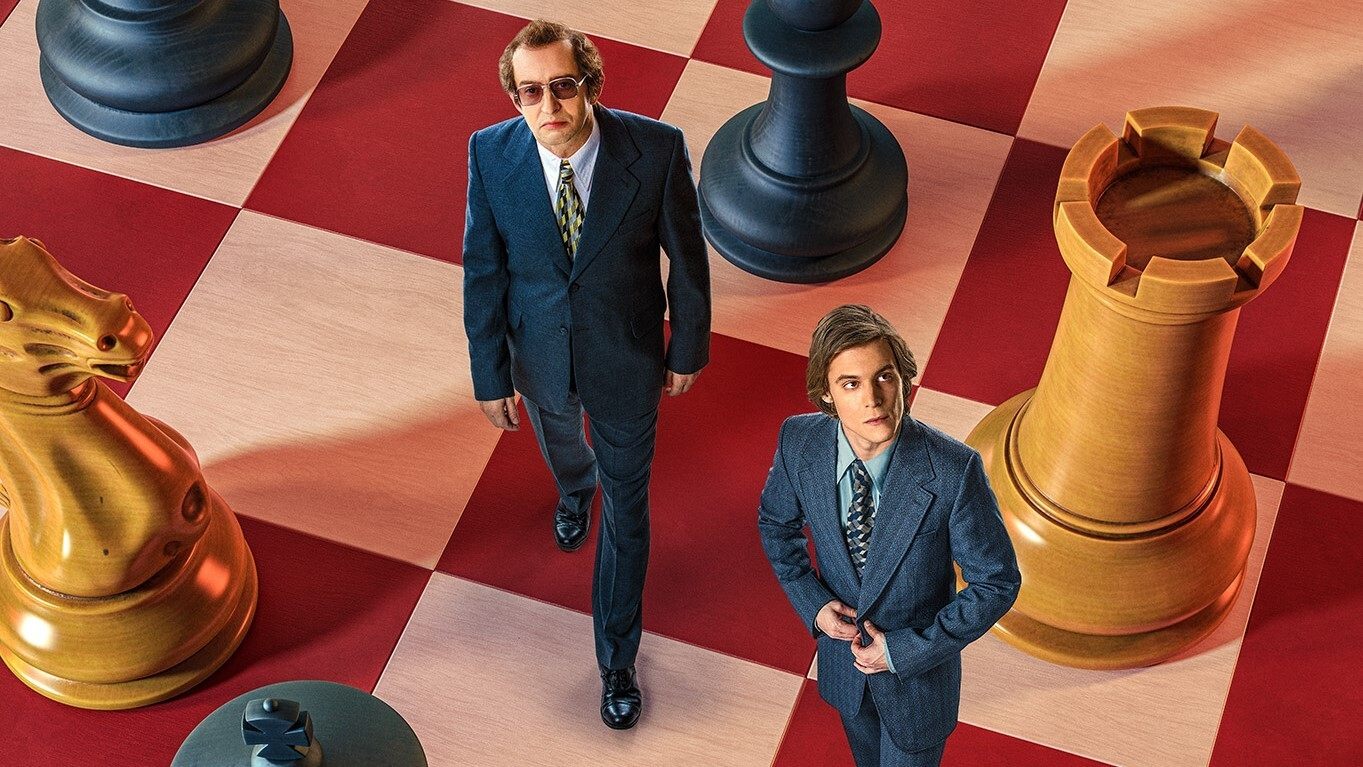
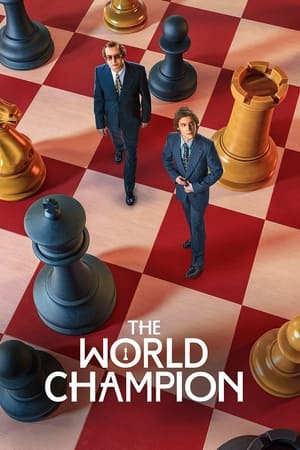



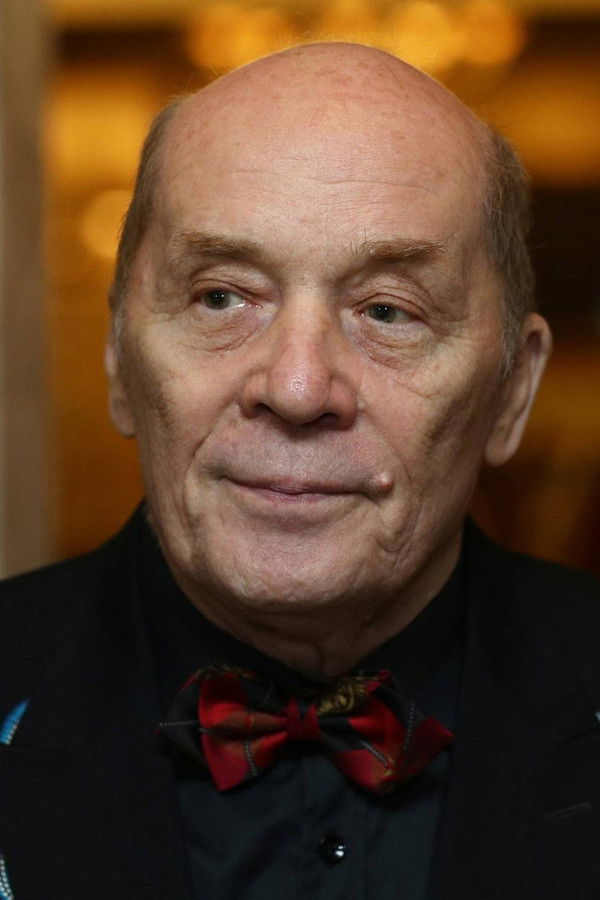

Some sporting victories are about more than just claiming a title. Some of them go down in history. The film follows the most dramatic and legendary showdown in the history of chess – the match between Anatoly Karpov, then world champion, and Viktor Korchnoi, a recent emigrant from the USSR. In this battle between two outstanding chess players, a duel of personalities under immense psychological pressure, the stakes are incomprehensibly high.
The film is a powerful narrative encompassing a theme that many people can identify with.
Netflix’s new comedy drama, Don’t Say Good Luck, is a heartwarming tearjerker as well as a love letter to the transformative power of being a theater kid. Directed by Julia Hart, Don’t Say Good Luck follows Sophie (Sunny Sandler), a theater kid who finally gets the lead role in her school’s production of Waitress - just as she finds out her mom Elizabeth (Melanie Lynskey) is dying of cancer. While the singing is by no means spectacular and Sandler’s acting is stiff, the film is grounded in the moving performance of Lynskey as a mother who wants nothing more than for her daughter to achieve her dreams, even if she can’t be there to see them.
Dead Poets Society relies on patriarchal tropes such as overbearing fathers, contrived brotherhood, and faux-individuality in order to portray its straight white male characters as oppressed.
The latest installment in the beloved media franchise is a unique stylized mesh of humor and heart.
Ultimately the problem with The Bubble is that it plays everything for laughs to get around the audience’s defenses. But it comes off like a privileged white male thinking that ridiculing everyone else equally is the road to equality. And it’s not. And it's definitely not funny to pretend that it is.