Hokum: A Balance of Cheapness and Luxury
Hokum is an enjoyable horror film that will probably get a little under your skin, but it isn’t the tour de force that you might be expecting.
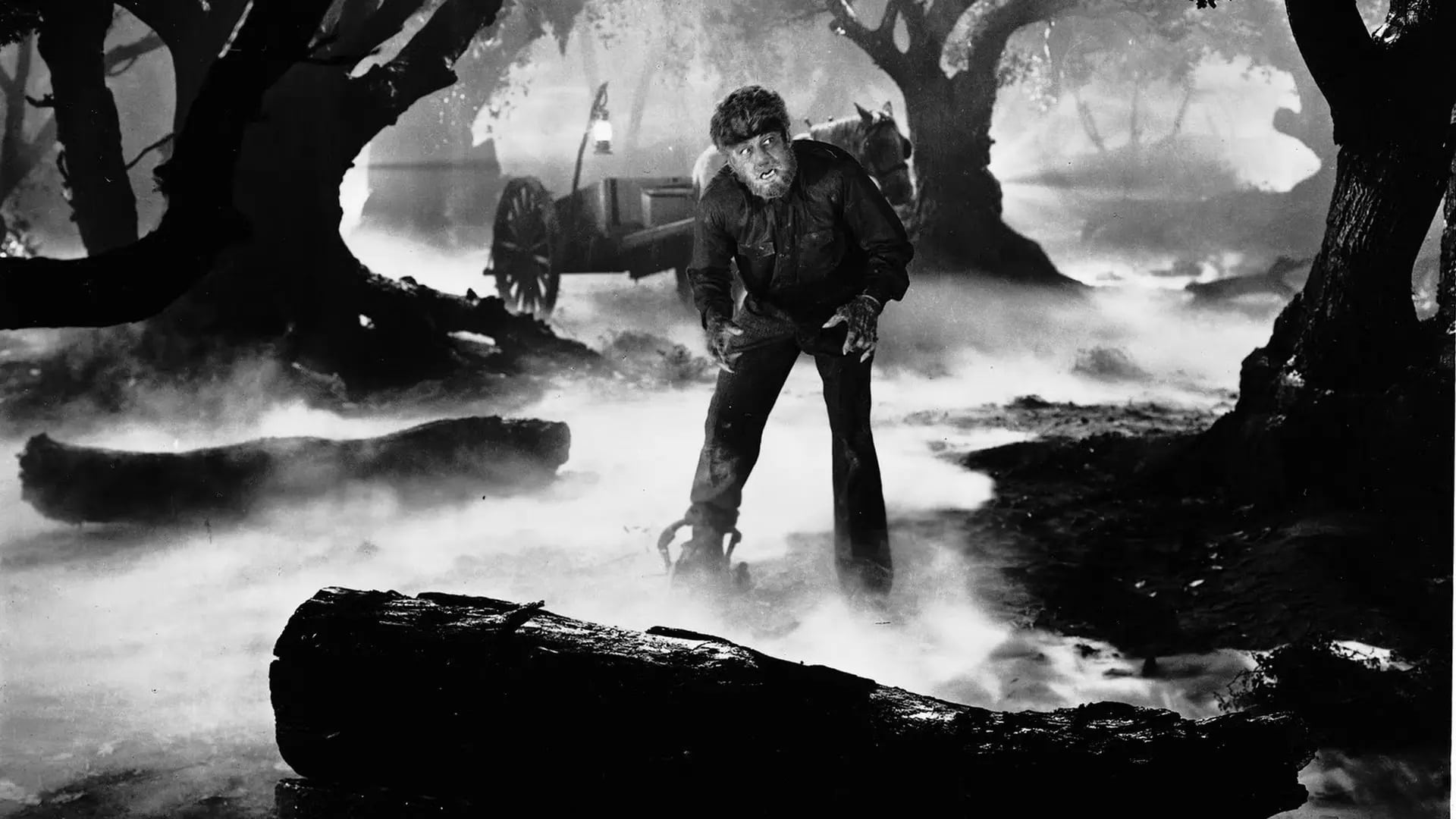
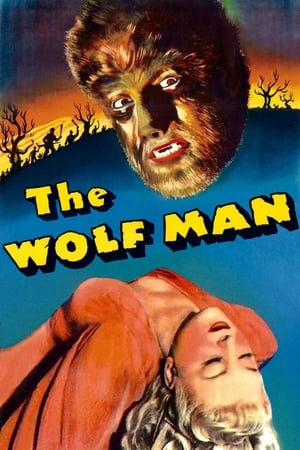


After his brother's death, Larry Talbot returns home to his father and the family estate. Events soon take a turn for the worse when Larry is bitten by a werewolf.
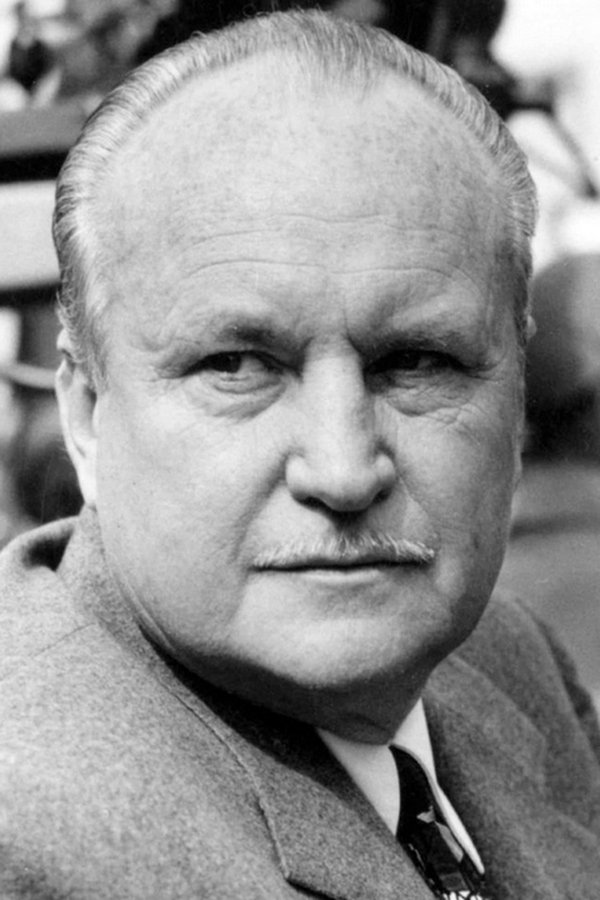
George Waggner
Director


Lon Chaney Jr.
Larry Talbot / The Wolf Man
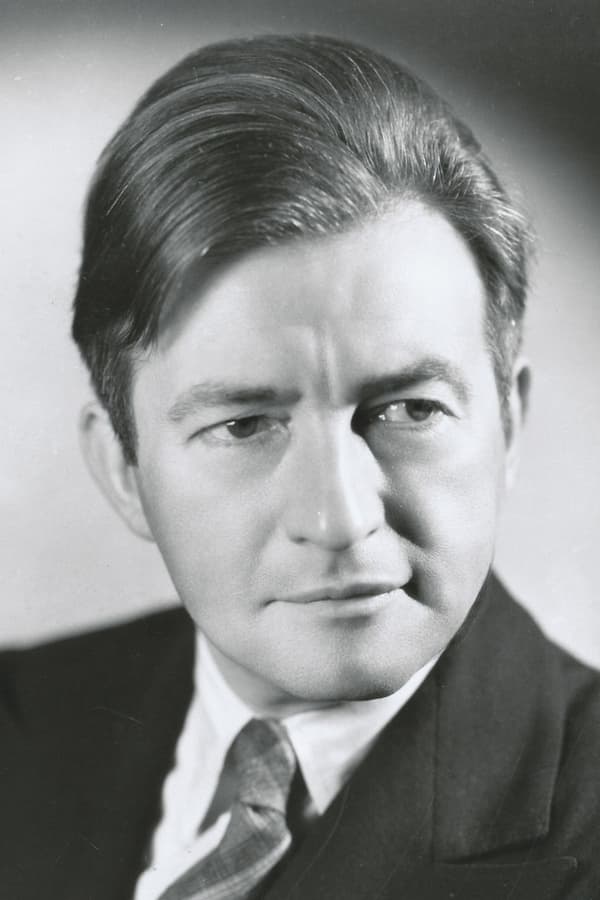
Claude Rains
Sir John Talbot
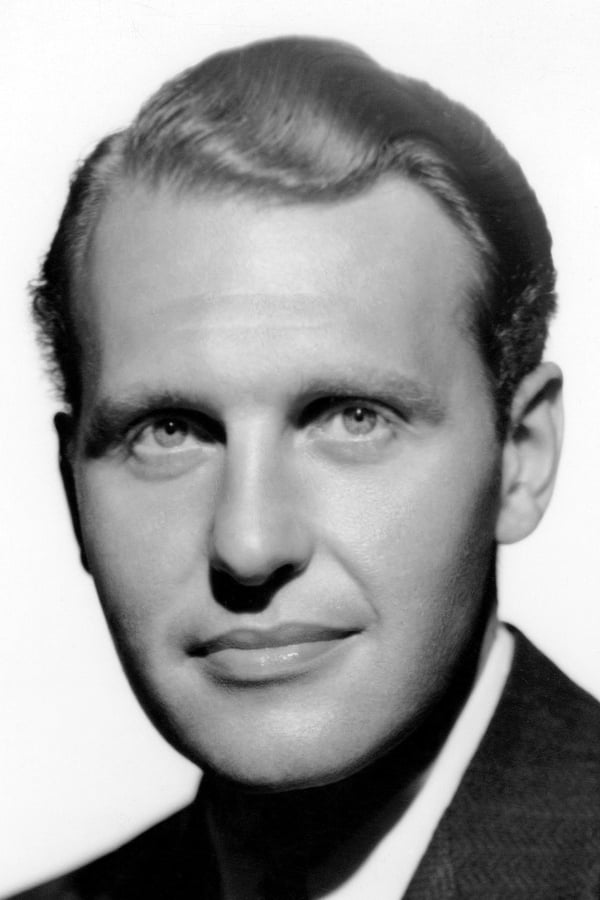
Ralph Bellamy
Colonel Montford
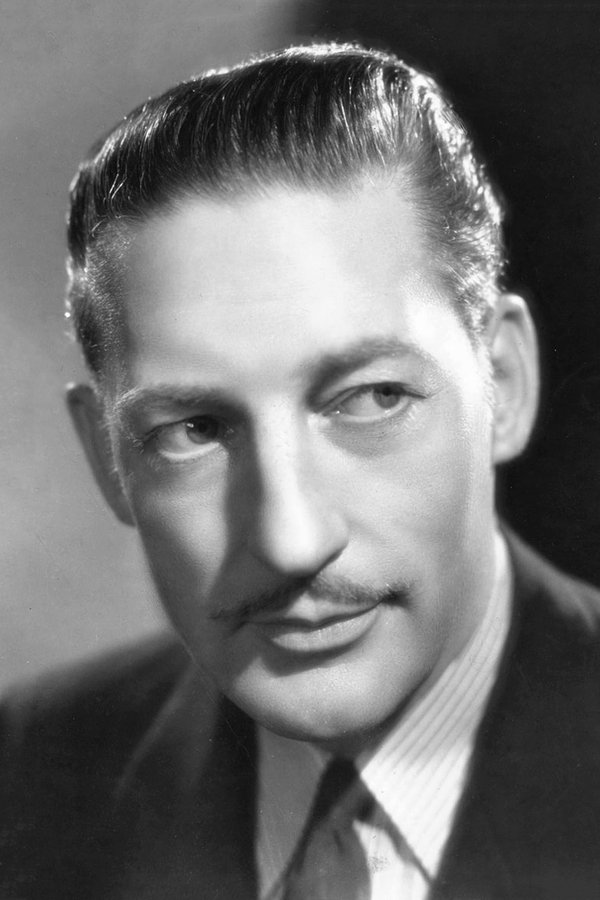
Warren William
Dr. Lloyd
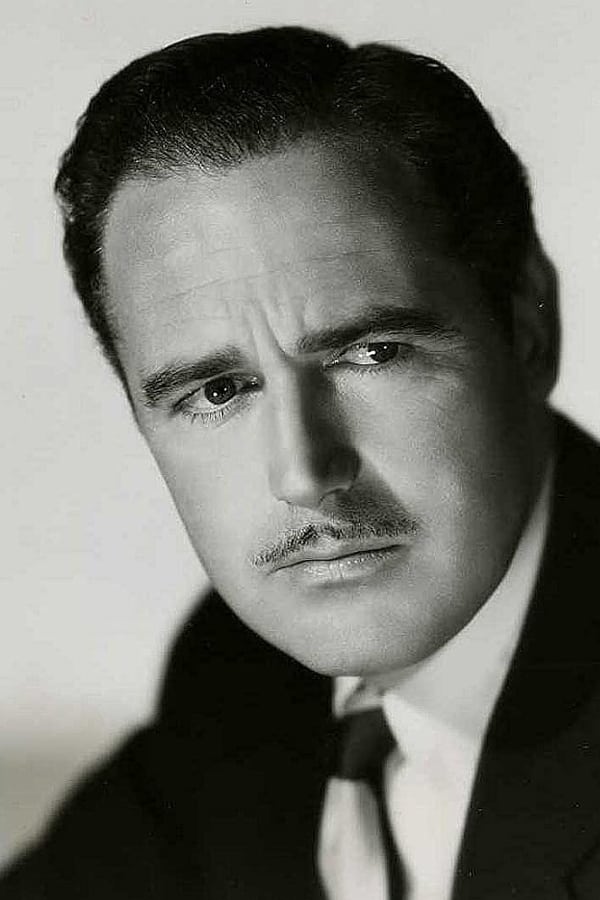
Patric Knowles
Frank Andrews

Bela Lugosi
Bela
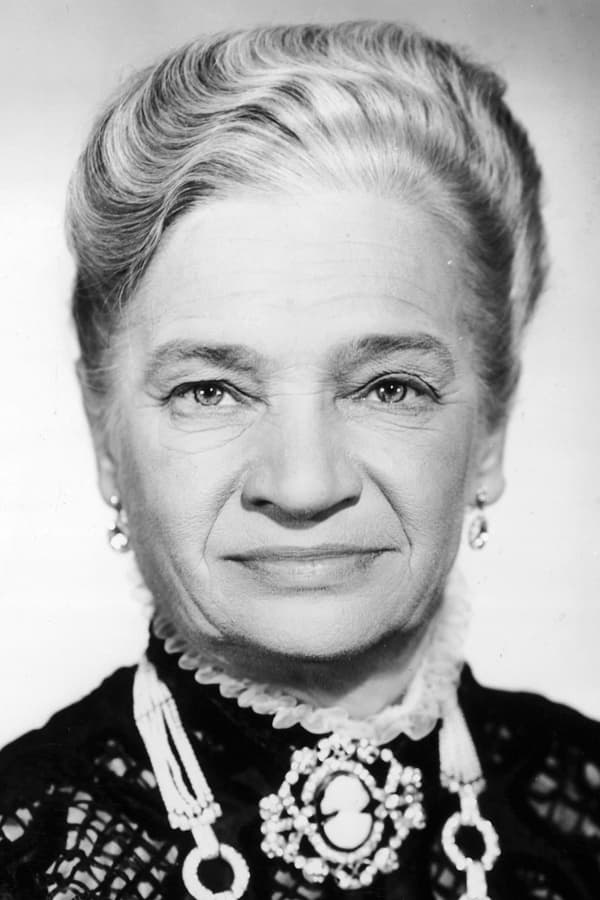
Maria Ouspenskaya
Maleva

Evelyn Ankers
Gwen Conliffe

Fay Helm
Jenny Williams
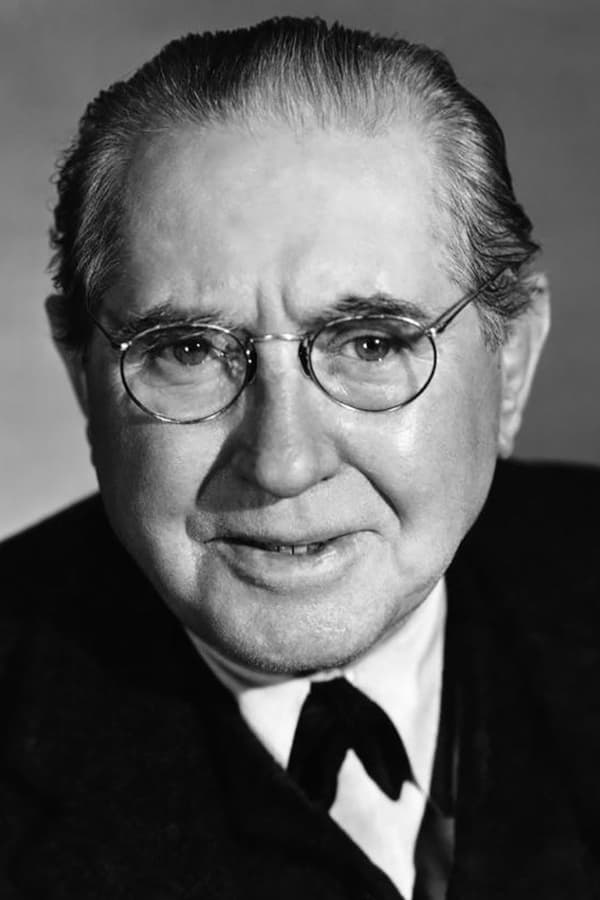
J.M. Kerrigan
Charles Conliffe
Forrester Harvey
Twiddle
Hokum is an enjoyable horror film that will probably get a little under your skin, but it isn’t the tour de force that you might be expecting.
We sat down with Writer/Director Albert Acosta to discuss his debut short film, (ha-ha), Acosta's foray into narrative cinema, and how his personal experiences have shaped his filmmaking philosophy.
Based on Bethany's autobiography "Soul Surfer: A True Story of Faith, Family, and Fighting to Get Back on the Board," this heartwarming film tracks the struggle to pursue normalcy and ambition after a major injury.
When you think of the horror genre, the LGBTQ+ community is probably one of the last things you think of. However, horror is much more queer-coded than you may think.
The iconic title character stars in her own horror and gothic TV series.
This little Netflix film was very inspirational. It passes the Bechdel test, and features a different worldview with rural Indian representation.