




Why 'Ambulance' is the Best Blockbuster to See this Year
Starring Jake Gyllenhall and Yahya Abdul-Mateen II, 'Ambulance' is a film not only about a bank heist gone wrong, but also about brotherhood.
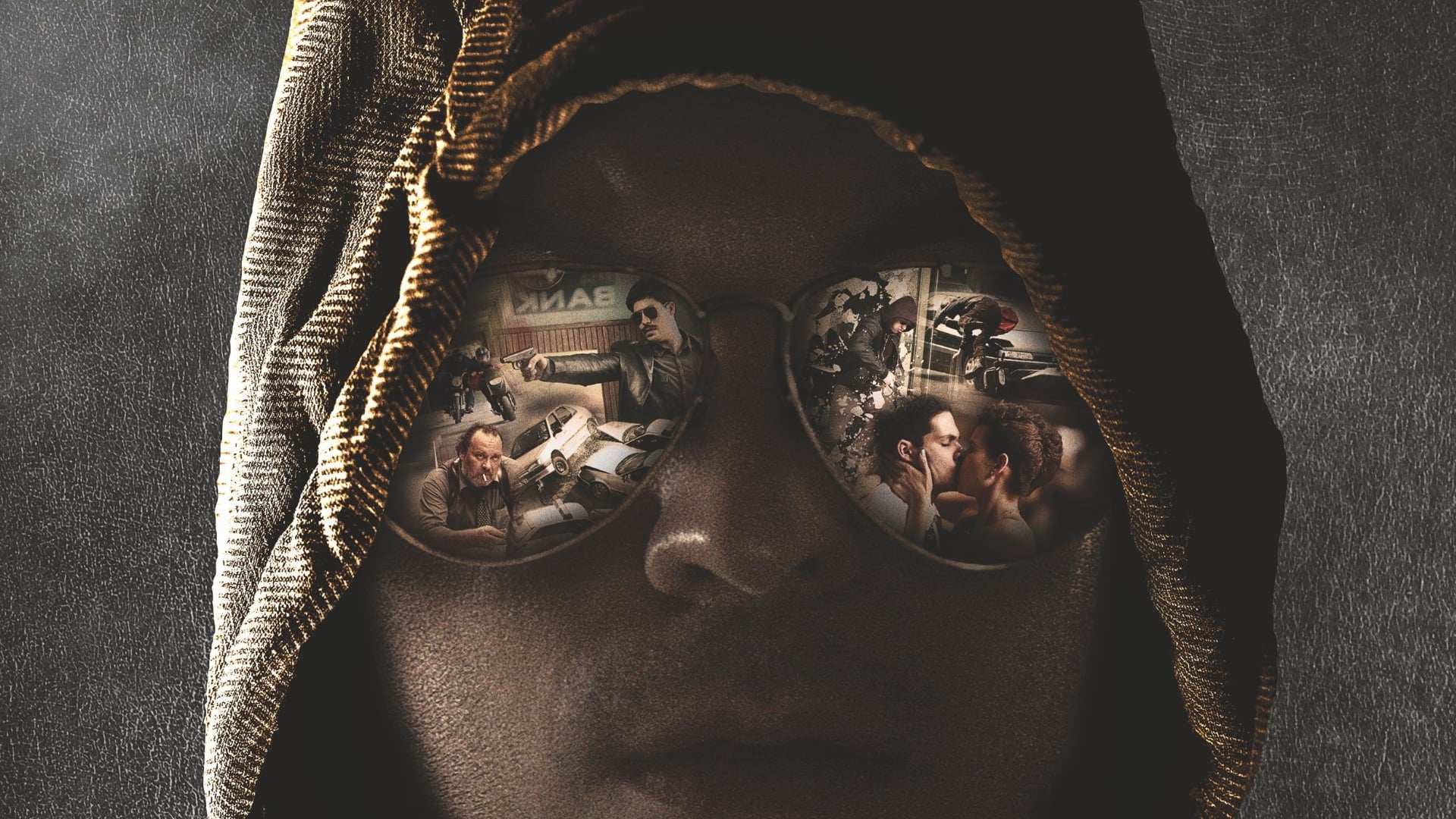
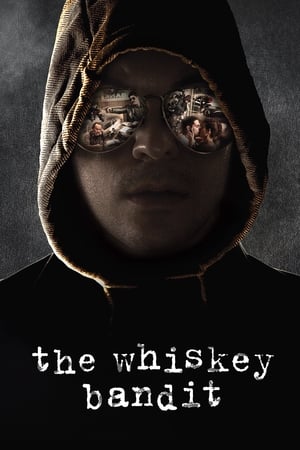


Between 1993 and 1999, one man robbed 29 financial institutions in Budapest. Banks, post offices and even travel agencies fell victim to his crime spree. The police had no leads and no hope of finding him during his six-year stint. The only clue left behind at the crime scenes was the distinct aroma of whiskey. The media christened him the “Whiskey Bandit”. Never physically harming anyone, many began to eagerly follow his escapades through the media. A Transylvanian immigrant, who also happened to be a goalie for one of the city's largest hockey teams, named Attila Ambrus, was finally identified as the “Whiskey Bandit”. The police had finally captured him... or so they thought.
Starring Jake Gyllenhall and Yahya Abdul-Mateen II, 'Ambulance' is a film not only about a bank heist gone wrong, but also about brotherhood.
This article is about the popular 'High School Musical: The Musical: The series.'
The sparks of a dangerous conspiracy ignite a mystery in this sequel based on the mysteries of Sherlock Holmes.
Hoppers is a fun ride with a deep message underneath. In true Pixar fashion, Hoppers explores the complexity of emotions and learning to be still in a world that demands fast progress. Through the main character Mabel, we are reminded what it is like to let ourselves feel big emotions. But also how not to be controlled by them.
With The Father, writer-director Florian Zeller- who wrote and developed the play upon which the film is based- pulls no punches as he confidently makes every effort to put the audience in the mind of someone whose grip on reality has all but vanished. It’s a dazzling testament to Zeller’s abilities as a director as he makes his first transition from stage to film appear as if he’s been working behind a camera his entire career. The dialogue he fashions with co-writer Christopher Hampton, along with the work of production designers Peter Francis and Cathy Featherstone, collectively makes the downward spiral of dementia startlingly tangible, doing so in a way that can be comprehended by everyone except the person it directly affects.
The film is bogged down with one-off rain monster threats that always come to a quick and undramatic end