

'Pain Hustlers' (2023): An Opioid Crisis
What starts off as a success story for a single mother living below the poverty line, slowly begins to weave itself into a tangled web of greed, guilt, and destruction.
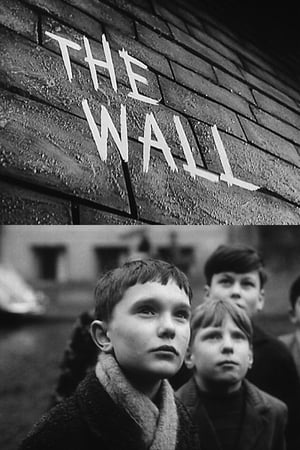


Like the best USIA films, The Wall distills political events into an emotionally clear and compelling ideological "story". In 1962 Walter de Hoog gathered footage from U.S. and German newsreel sources and crafted this taut short film about the first year of the Berlin Wall. Straightforward, keenly balanced narration portrays Berliners as "accepting the wall but never resigned to it". The extraordinary footage of the first escapes was propaganda enough-- His challenge was to make the politics human.
What starts off as a success story for a single mother living below the poverty line, slowly begins to weave itself into a tangled web of greed, guilt, and destruction.
Wes Anderson offers a light-hearted comedy in the Middle East centering around Catholic motifs.
This fantasy movie released on Disney+ has strong topics and themes related to magic.
CODA' is about a child of deaf adults torn between staying with her parents and her dreams of pursuing music. This film is a step forward for deaf representation and disability in movies despite negative messages about the burden of actors deaf deafness.
As I typed this, Chris Evans was being “cancelled” on Twitter. I did a little research on this since I always thought Chris Evans was well-received. It turns out the backlash is because of a white savior movie he made called Red Sea Diving Resort.
As a musical fan, I enjoyed the film and encourage anyone who likes dark humour and a bit of blood to give it a watch.