'You Are SO Not Invited to My Bat Mitzvah'
Friendships are tested when two girls have a crush on the popular boy at school.



Struggling to make ends meet, the talented but still unrecognised artist, Miltos, knows firsthand what's it like to try to live off art alone. Already behind in the rent, Miltos is utterly unaware that he has just inherited a fortune from his long-lost uncle; a piece of vital information only the secretary in the notary's office, and her statuesque friend, Popi, know. Under those circumstances, Popi hatches an ambitious plan, intent on getting her hands on Miltos' money; however, the impecunious painter is head-over-heels in love with Litsa, the beautiful daughter of the neighbourhood's taverner. Will Miltos give in to Popi's intoxicating beauty? But, what is more precious, love or money?

Markos Malliarakis
Director

Sotiris Moustakas
Miltos Kourkoutoulis

Miranta Zafiropoulou
Popi
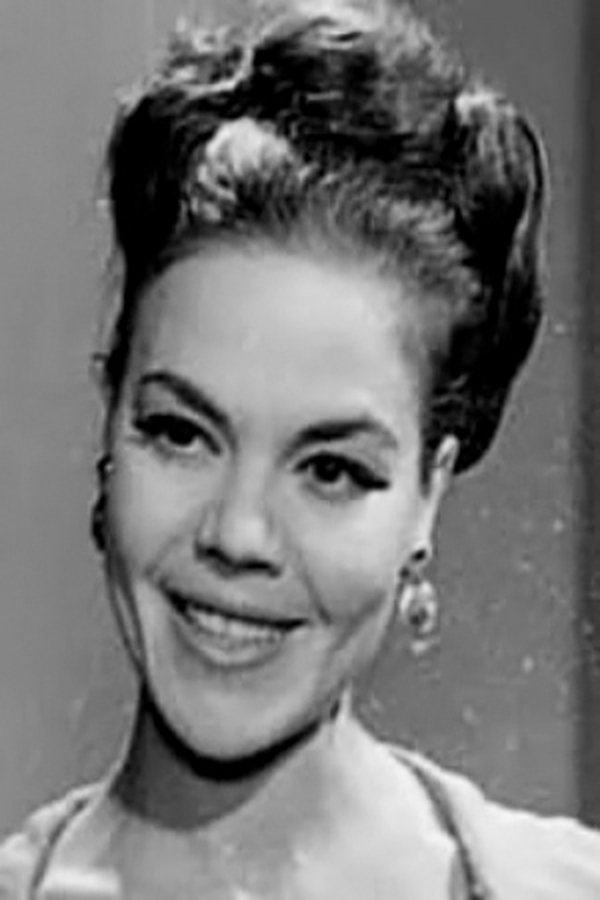
Maria Bonelou
Litsa Vardatriha

Kostas Mendis
Spyros Vardatrihas

Petros Giannakos
Maroulis
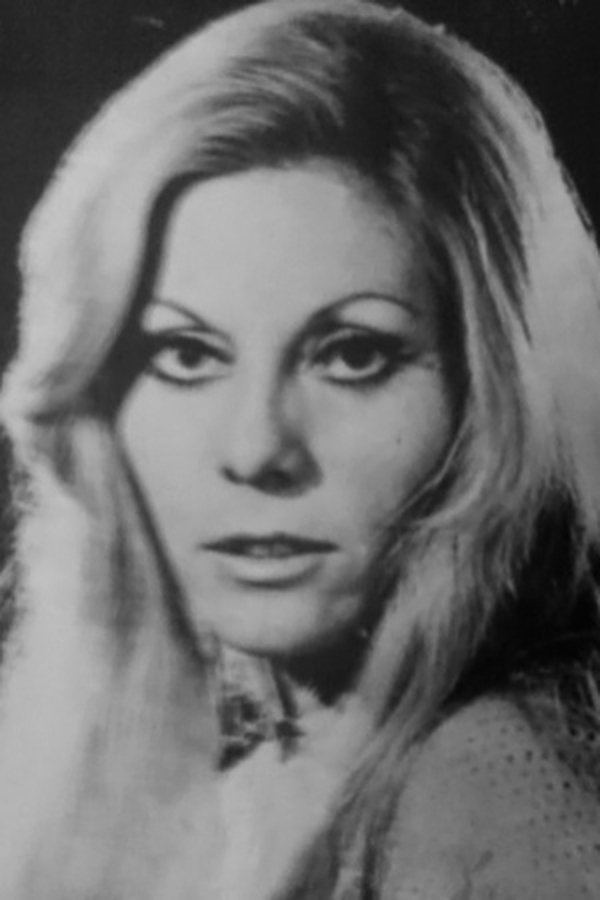
Nota Paroussi
Maro

Sofia Veroni
Roxani

Nikos Atherinos
Vasilakis
Maria Giourousi
buyer of a painting
Lefki Papazafeiropoulou

Panos Nikolakopoulos
Manolakis
Friendships are tested when two girls have a crush on the popular boy at school.
Although bogged down by a slow pace and moralistic intent, ‘Deadly Garage Sale’ (2022) makes the most of its silly and nonsensical premise.
Netflix’s new comedy drama, Don’t Say Good Luck, is a heartwarming tearjerker as well as a love letter to the transformative power of being a theater kid. Directed by Julia Hart, Don’t Say Good Luck follows Sophie (Sunny Sandler), a theater kid who finally gets the lead role in her school’s production of Waitress - just as she finds out her mom Elizabeth (Melanie Lynskey) is dying of cancer. While the singing is by no means spectacular and Sandler’s acting is stiff, the film is grounded in the moving performance of Lynskey as a mother who wants nothing more than for her daughter to achieve her dreams, even if she can’t be there to see them.
I have no idea how getting an abortion is still not a basic right at this point, but that means the fight is far from over. So, films like Happening are ever-relevant.
This horror, action, and fantasy movie released on Disney+ has a symbolic aspect.
A sweet slice-of-life anime that visualizes all the ways we creatively hide our vulnerabilities from the world.