





“Driveways” Review
"Driveways" is a nuanced portrait of an Asian American family, touching on themes of loss, growth, and belonging.
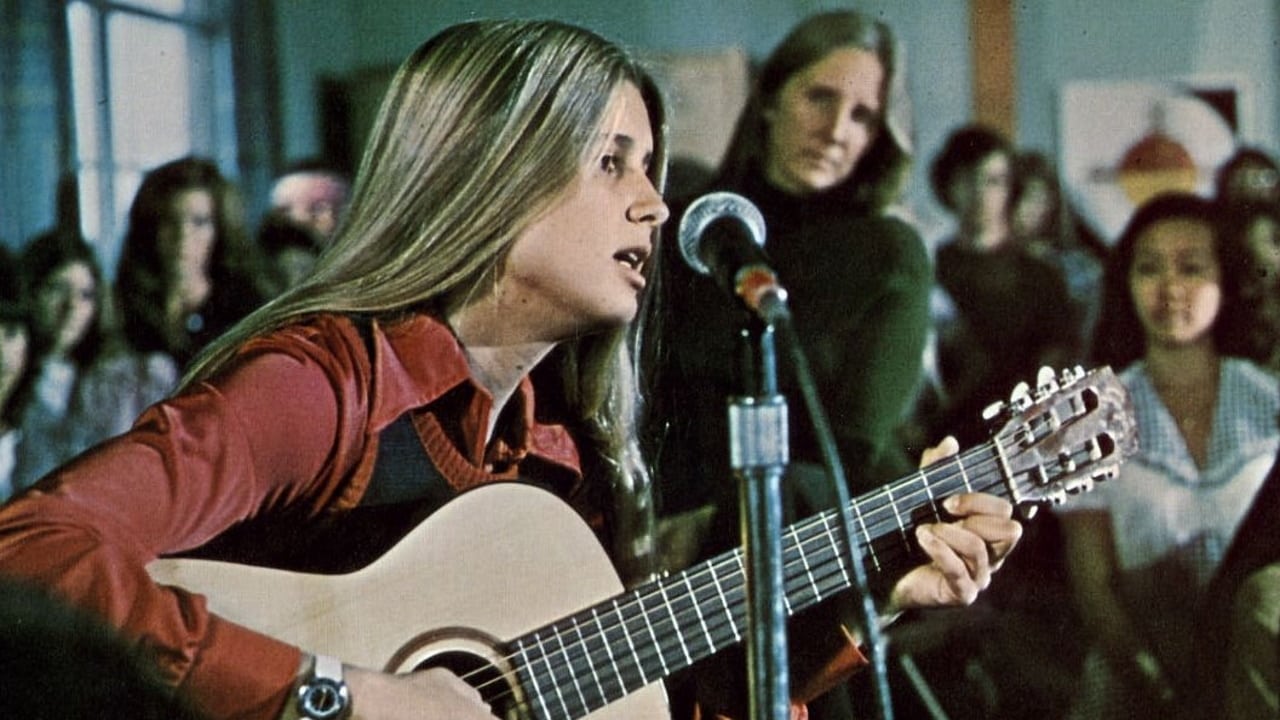



After Billy Jack in sentenced to four years in prison for the "involuntary manslaughter" of the first film, the Freedom School expands and flourishes under the guidance of Jean Roberts. The utopian existence of the school is characterized by everything ranging from "yoga sports" to muckracking journalism. The diverse student population airs scathing political exposes on their privately owned television station. The narrow-minded townspeople have different ideas about their brand of liberalism. Billy Jack is released and things heat up for the school. Students are threatened and abused and the Native Americans in the neighboring village are taunted and mistreated. After Billy Jack undergoes a vision quest, the governor and the police plot to permanently put an end to their liberal shenanigans, leaving it up to Billy Jack to save the day.
"Driveways" is a nuanced portrait of an Asian American family, touching on themes of loss, growth, and belonging.
This romance movie has strong representation of Taiwanese people.
An uncomplicated, family-oriented man struggles to adjust to an ever-changing world, especially after suffering a loss. Even for the early 1900s, a less complicated time in many ways than now, Robert Grainier (Joel Edgerton) is a simple man.
When most of us think about diversity in film, we usually think about three things: race, gender, and disabilities. However, there is a forgotten topic... age. These are 12 of the best films about growing old.
This is a film that is going to leave some people bored, and some people thrilled.
The “gay best friend”, an age-old trope, has been done in countless films and television series. Ranging from one-note (Sex and the City's Stanford and Mario) to nuanced (Unbreakable Kimmy Schmidt's Tituss), the gay best friend exists to support and advise the main protagonist, with their conflicts swept to the side.