The Magic and Spirit of the Holidays in "48 Christmas Wishes"
A Christmas tale that everyone is wishing for, and that everyone will remember.
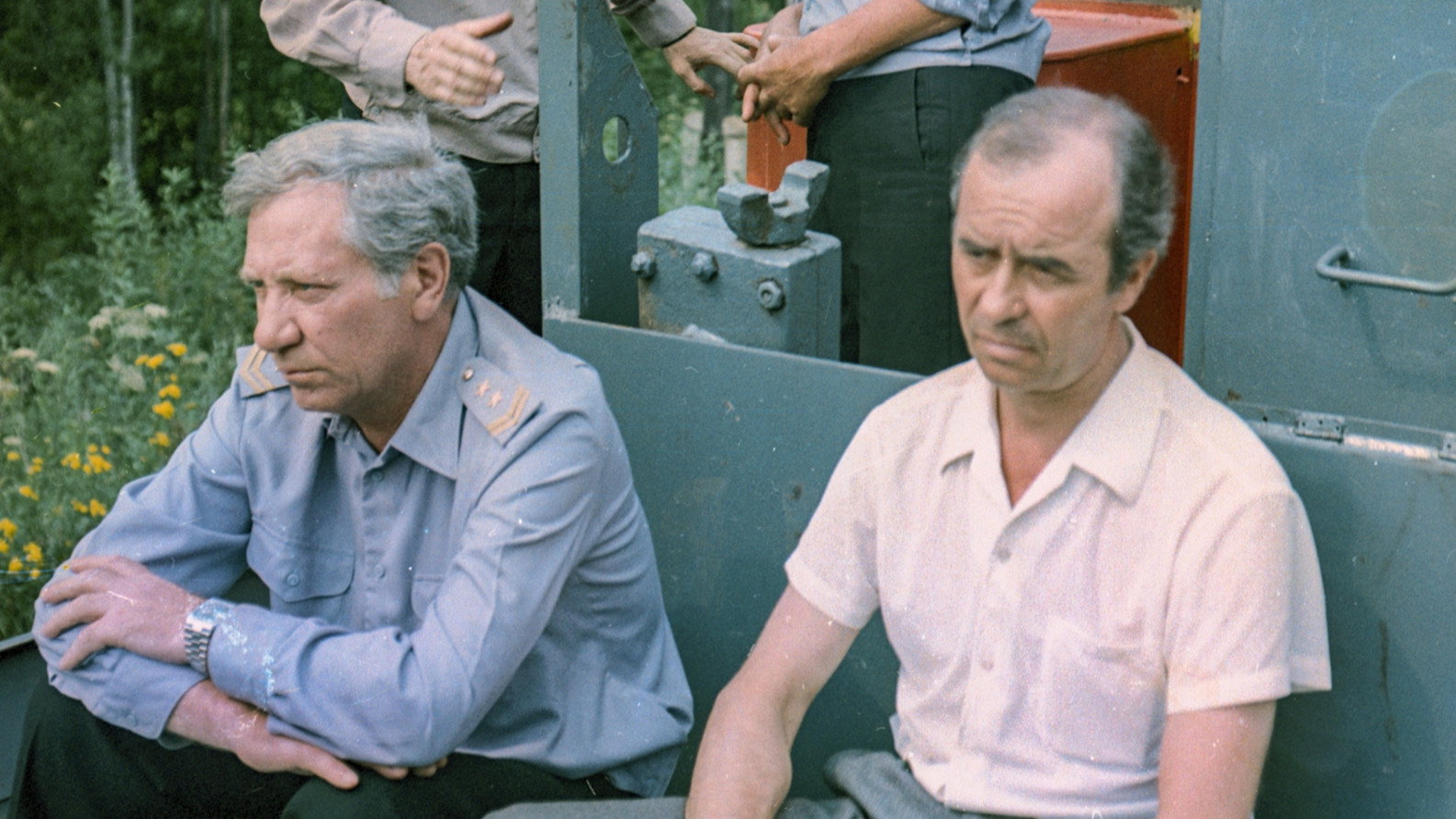



In this drama with socio-political nuances, a heroic engineer is able to save the passengers on his train from injury or death by sacrificing his own life when his locomotive crashes. An investigator Ermakov and journalist Malinin are both involved in the story of the crash but from two different angles: the investigator wants to find out why it happened, the journalist wants to laud the heroism of the dead engineer.

Vadim Abdrashitov
Director


Oleg Borisov
Ermakov, an investigator

Anatoliy Solonitsyn
Malinin, a journalist
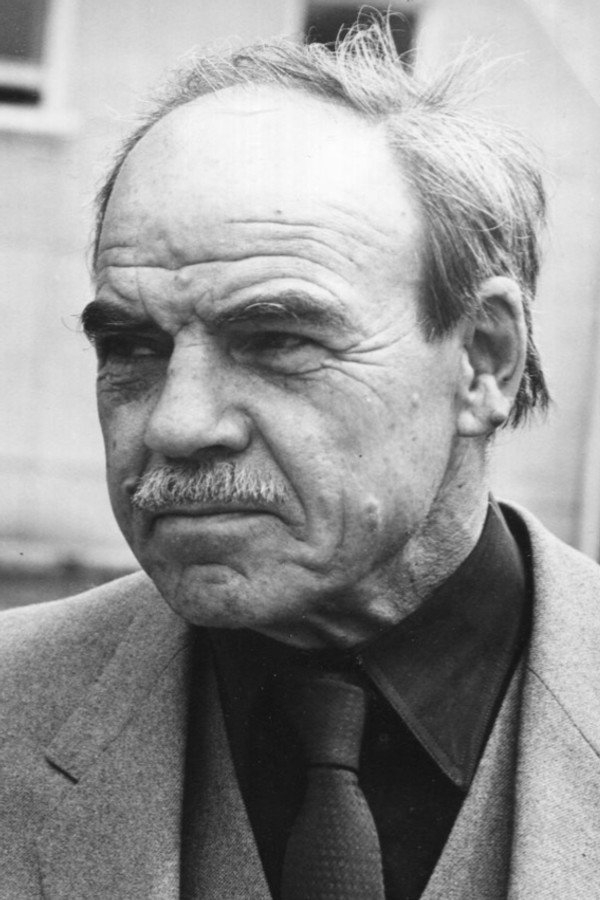
Mikhail Gluzskiy
Panteleyev

Nina Ruslanova
Maria Ignatyevna

Lyudmila Zaytseva
Timonina

Nikolai Skorobogatov
Golovanov

Pyotr Kolbasin
Gubkin

Iosif Ryklin
doctor

Nikolai Simkin

Aleksandra Kharitonova
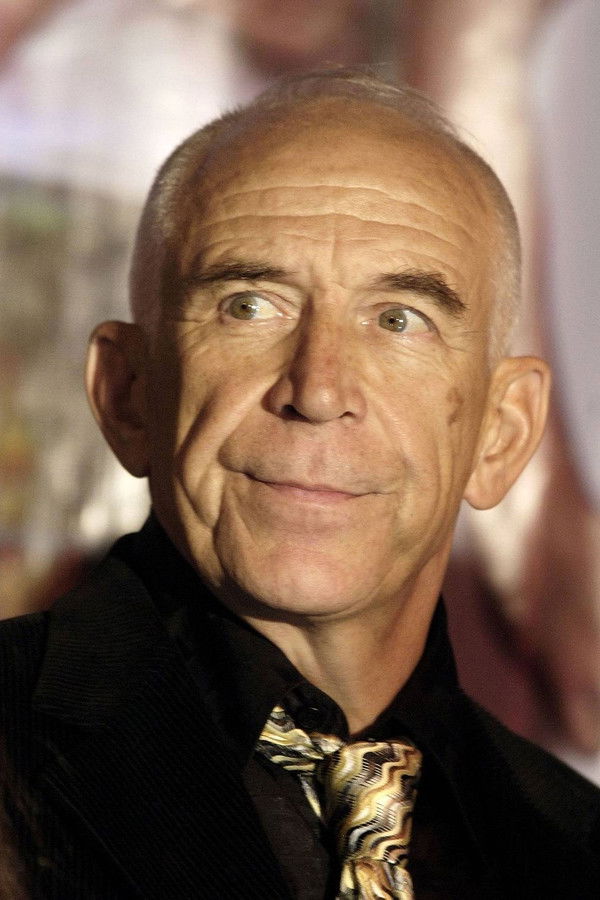
Aleksandr Pashutin
A Christmas tale that everyone is wishing for, and that everyone will remember.
A Homosexual Cowboy is Still a Cowboy - At the center of 'Power of the Dog' is an intense bond between a cowboy and his young protege. Read more about Gay cowboys here!
Throughout Brendan Fraser’s career, he has played a plethora of unique, layered characters who explore the importance of not being afraid to display your emotions, something that is often seen to not be a masculine trait. This idea of regulating emotion and what traits men are able to possess creates a toxic atmosphere for men who are often told they should not cry or represent their emotions in any physical way. These characters represent that men can be joyful, emotionally conscious, and sensitive, while also representing their masculine identity instead of painting those qualities as fighting against their masculinity.
Adam Sandler goes hard as an NBA scout in this male-heavy sports-drama.
A haunting look at grief, survival, and a mother’s quiet collapse in a world that never gave her room to fall.
This sports drama movie is centered around an Asian American boy named Chang.