



'Neon Gravity | Metaverse 7' - MiamisFF Review
Neon Gravity is an assassin who realizes that her target, as well as her current reality, are not what they seem. This short film is a futuristic story that takes place in Downtown Miami.



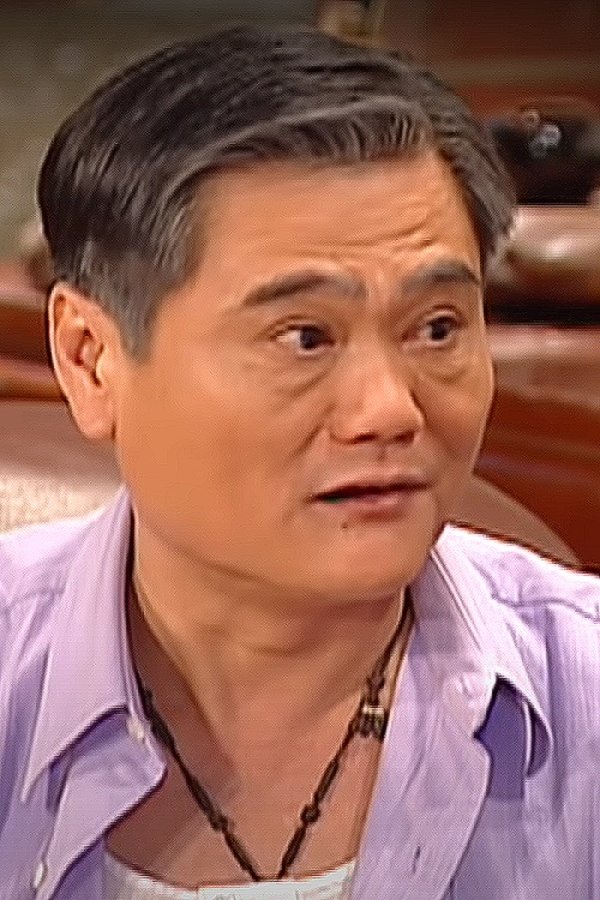
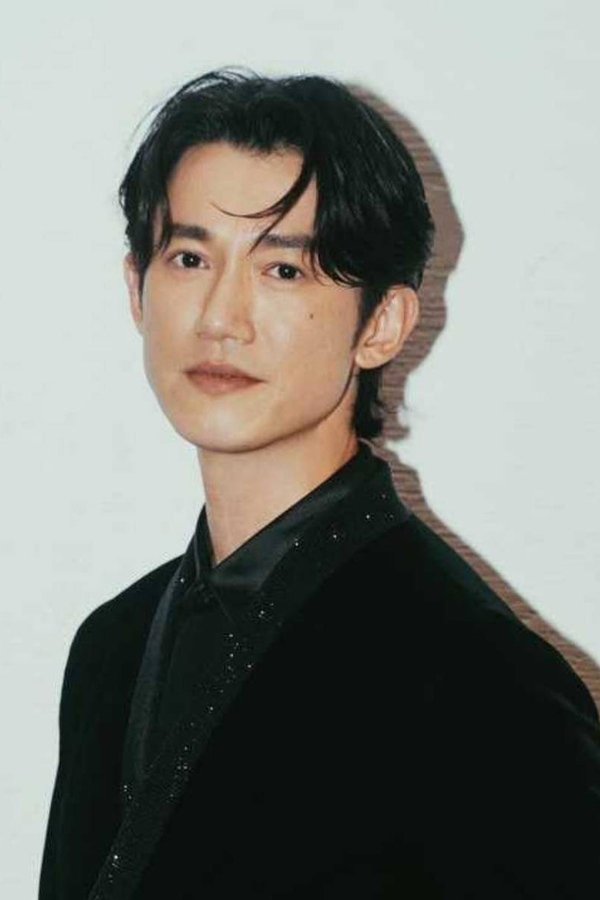
A simple organic fruit farmer Rong Guang (Wu Kang-Ren) is raising his son Feng (Chen Yu-Cheng) alone in a small rural community, although with poor harvests and little money, their lifestyle is meagre. Elsewhere Feng’s mother Yi Ying (Alice Tzeng), now a successful businesswoman is being pressured by her husband Chung Hao (Tang Guo-Zhong) to have children something she strongly resists. Ying reveals that she already has a son, feng, and that he may be Chung Hao’s after all, so they begin proceedings to take feng back for themselves which Rong Guang refuses to let happen. Chung Hao demands a DNA test but before this can happen, Rong Guang collapses and is taken to hospital, forcing him to make some drastic decisions for Feng’s welfare.
Neon Gravity is an assassin who realizes that her target, as well as her current reality, are not what they seem. This short film is a futuristic story that takes place in Downtown Miami.
If you were to watch it on streaming when you have nothing to do, it’s still probably a giant waste of time, but you could do far worse. Paying $18 for a movie ticket and who knows how much for concessions turns this from an exercise in boredom to an exercise in frustration.
‘Concerto’ is esoteric at best, meant to satisfy the non-melanted’s sense of nostalgia. It is revisionist at worst, cherry-picking images that defy the true tapestry of the human condition.
The differences in these films could not be more blatant, and yet Gus Van Sant has found a way to portray the same messages and use the same techniques in each.
The history of Hollywood is as ugly as it is beautiful. Most notably absent from Hollywood history are Black-produced films. “They’ve Gotta Have Us” explores the rise of Black cinema.