


'Kizazi Moto: Generation Fire' - Mhkuzi: The Spirit Racer
The second episode of the highly anticipated Afrofuturism series delivers with a high-speed race teaching us to go far beyond just accepting ourselves.
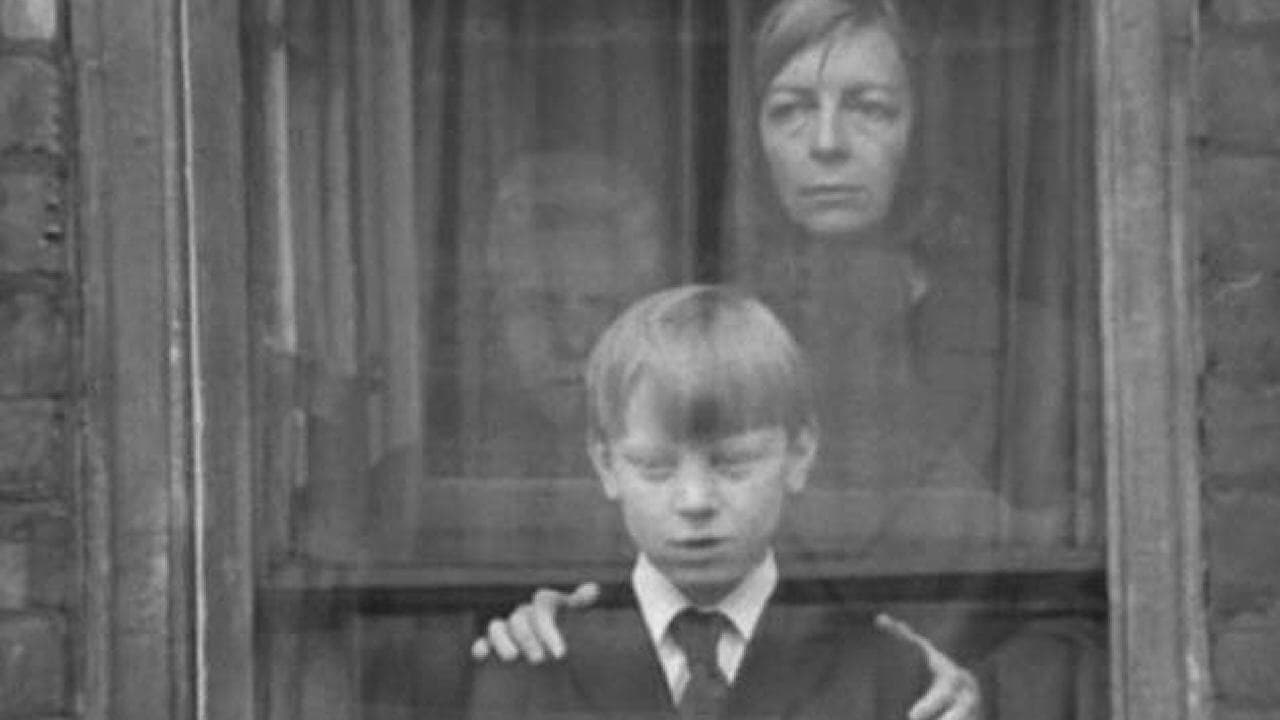
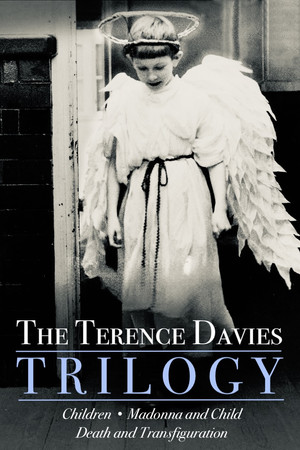


In stark black and white, Terence Davies excavates the life of his fictional alter ego, Robert Tucker, in a narrative that slips between childhood, middle age and death, shaping the raw materials of his own life into a rich tapestry of experiences and impressions.
The second episode of the highly anticipated Afrofuturism series delivers with a high-speed race teaching us to go far beyond just accepting ourselves.
'Living' dives into many themes that we can all understand regardless of our cultural backgrounds. We can see this through the shared similarities between 'Ikiru' and 'Living'.
This drama film is about Priscilla and Elvis Presley's failed marriage through the lens of the title character.
The Resort has an excellent climax surrounded by disappointments. Somehow, at a mere 75 minutes, this movie still manages to be 70 minutes too long.
'Free Guy' combines classic Disney (a white heteronormative love story), exploration of popular video games and the culture around them, and Ryan Reynolds adult humor in the best way to make a super fun family flick.
I am an Armenian who has a mild form of epilepsy. I rarely see Armenian culture and epilepsy properly portrayed in film or TV. I delve into the how and why.